Everyday use: cheeses that mark them
The cheeses of the working kitchen, reached for every day.
Most cheese is not for feasts but for every day: the block of cheddar in a British fridge, paneer bought fresh from an Indian dairy, Gouda sliced each morning in the Netherlands, feta on a Greek table at every meal and queso fresco in a Mexican kitchen. These are the working cheeses, chosen because they are reliable, easy to find and good in many dishes.
The everyday cheese of each country
Each country has its default cheese. In Britain and Ireland it is cheddar; in the Netherlands, Gouda; in Greece, feta, eaten with almost every meal; in Turkey, beyaz peynir; in Mexico, queso fresco and Oaxaca; in Brazil, queijo Minas; in India, paneer, and in many cities, processed cheese. Greece is among the countries that eat the most cheese per person in the world, and a large share of it is feta.
Buying and keeping
Buy fresh cheeses in small amounts and use them quickly; firm cheeses keep for weeks if they are well wrapped. Wrap cut cheese in waxed paper or cheese paper and then a loose bag, so it can breathe without drying out. Keep it in the vegetable drawer of the fridge, where it is cool and a little humid. Grate the leftover ends of hard cheese and freeze them for cooking, and save Parmigiano rinds for soup.
Making it at home
Paneer is made at home in many Indian kitchens: milk brought to the boil, lemon juice or vinegar stirred in, and the curds tied in muslin and pressed under a heavy pan. The same method makes queso blanco in Latin America. Quark, strained yoghurt cheese and ricotta are just as easy. Making a fresh cheese at home takes less than an hour and shows how all cheese begins: milk, a way to set it, and time.
Worth knowing
- Cheddar: The everyday cheese of Britain and Ireland
- Gouda: Sliced each morning in the Netherlands
- Feta: On the Greek table at every meal
- Beyaz peynir: Turkey's daily white cheese
- Queso fresco: Crumbled over Mexican food
- Minas cheese: Brazil's daily fresh cheese
- Paneer: Bought fresh or made at home in India
Sources and further reading
Original text by the EveryCheese desk, written with AI assistance and checked against the sources above. Customs are described as tradition, not as advice. If we have something wrong, tell us.
Everyday use on EveryCheese
The cheeses written up so far, best known first.
 🇮🇹 Italy and 1 moreMozzarella
A semi-soft Italian stretched-curd cheese made from cow or buffalo milk.Cow · Semi-soft · Milky and fresh
🇮🇹 Italy and 1 moreMozzarella
A semi-soft Italian stretched-curd cheese made from cow or buffalo milk.Cow · Semi-soft · Milky and fresh
 🇫🇷 FranceCamembert
A soft-ripened cow's milk cheese from Normandy with a white mould rindCow · Bloomy rind · Earthy and cellar
🇫🇷 FranceCamembert
A soft-ripened cow's milk cheese from Normandy with a white mould rindCow · Bloomy rind · Earthy and cellar
 🇬🇷 Greece and 5 moreFetaφέτα
A crumbly Greek brined cheese made from sheep and goat milk.Sheep · Brined · Tangy and lactic
🇬🇷 Greece and 5 moreFetaφέτα
A crumbly Greek brined cheese made from sheep and goat milk.Sheep · Brined · Tangy and lactic
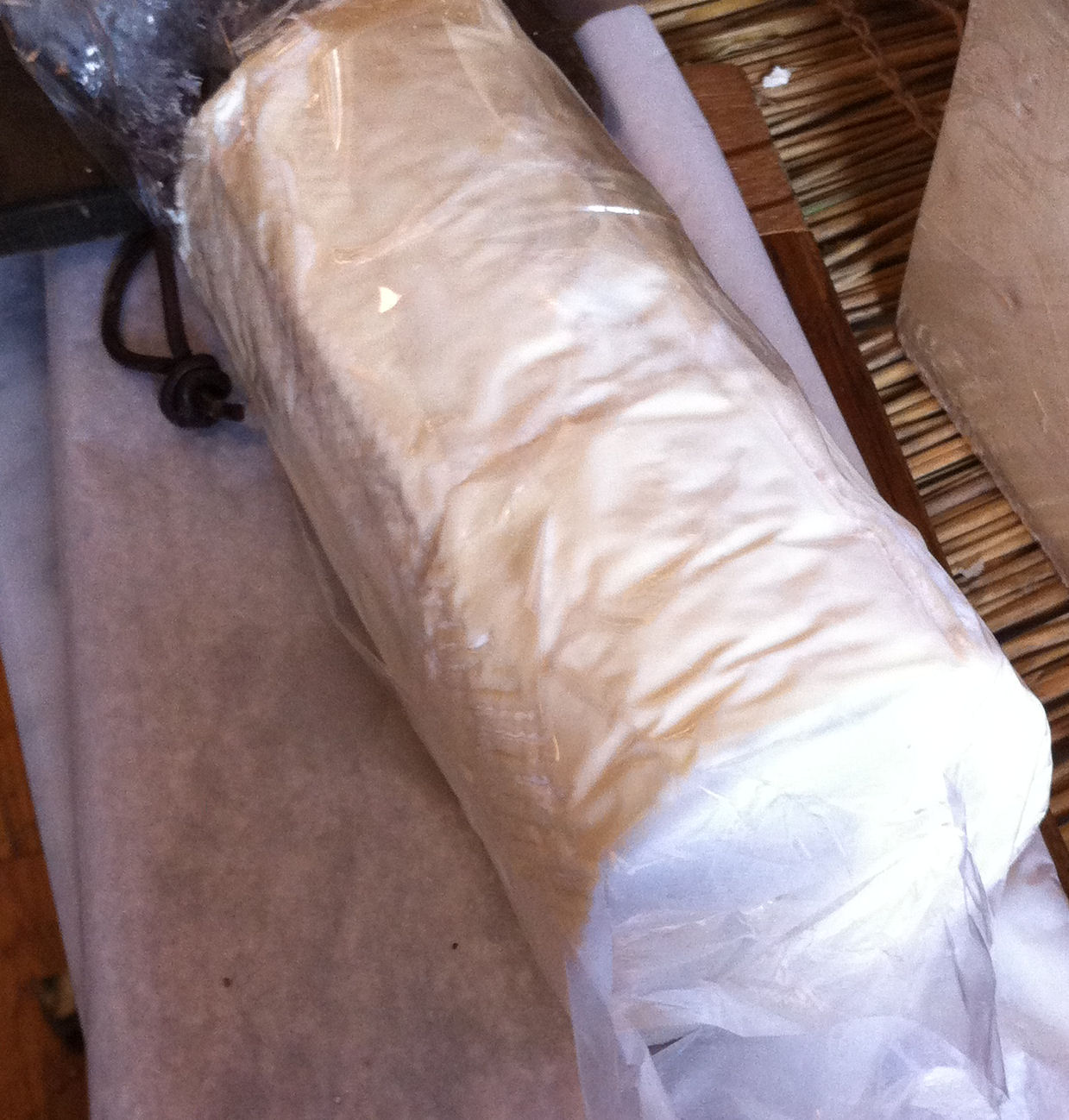 🇮🇪 IrelandSt Tola
Handmade goat's milk cheese from Inagh, County Clare, ranging from fresh logs to aged wheels.Goat · Fresh · Tangy and lactic
🇮🇱 Israel and 1 moreGvina levanaגבינה לבנה
A soft, unripened cow's-milk cheese spread on bread in Israel.Cow · Fresh · Tangy and lactic
🇮🇪 IrelandSt Tola
Handmade goat's milk cheese from Inagh, County Clare, ranging from fresh logs to aged wheels.Goat · Fresh · Tangy and lactic
🇮🇱 Israel and 1 moreGvina levanaגבינה לבנה
A soft, unripened cow's-milk cheese spread on bread in Israel.Cow · Fresh · Tangy and lactic
 🇮🇳 IndiaKalimpong cheese
A mild, crumbly cow's-milk cheese from a West Bengal hill station, started by a Jesuit priest.Cow · Semi-hard · Tangy and lactic
🇮🇳 IndiaKalimpong cheese
A mild, crumbly cow's-milk cheese from a West Bengal hill station, started by a Jesuit priest.Cow · Semi-hard · Tangy and lactic
 🇨🇾 Cyprus and 3 moreHalloumiχαλούμι
A squeaky, brined cheese from Cyprus that holds its shape when fried.Mixed · Brined · Salty
🇨🇾 Cyprus and 3 moreHalloumiχαλούμι
A squeaky, brined cheese from Cyprus that holds its shape when fried.Mixed · Brined · Salty
 🇦🇹 Austria and 1 moreTyrolean grey cheeseTiroler Graukäse
A low-fat cow's milk acid-curd quark from the Tyrolean Alps with a moulded rind.Cow · Fresh · Tangy and lactic
🇺🇸 United StatesHoop cheese
A simple fresh cow's milk cheese pressed in a wooden ring to remove wheyCow · Fresh · Milky and fresh
🇨🇳 ChinaNguri
A small, salty buffalo-milk cheese from Fujian served with rice congee.Buffalo · Fresh · Salty
🇦🇹 Austria and 1 moreTyrolean grey cheeseTiroler Graukäse
A low-fat cow's milk acid-curd quark from the Tyrolean Alps with a moulded rind.Cow · Fresh · Tangy and lactic
🇺🇸 United StatesHoop cheese
A simple fresh cow's milk cheese pressed in a wooden ring to remove wheyCow · Fresh · Milky and fresh
🇨🇳 ChinaNguri
A small, salty buffalo-milk cheese from Fujian served with rice congee.Buffalo · Fresh · Salty
 🇦🇹 AustriaSura Kees
A low-fat sour milk cheese from the Montafon valley in Austria.Cow · Tangy and lactic
🇹🇷 TurkeyTelemeteleme peyniri
A semi-soft white cheese from Turkey made with mixed milks and fig sap.Mixed · Semi-soft · Tangy and lactic
🇮🇪 IrelandWicklow Farmhouse Cheese
A range of handmade cow's milk cheeses from Arklow, Ireland, spanning soft bries to hard cheddars.Cow · Bloomy rind · Nutty
🇦🇹 AustriaSura Kees
A low-fat sour milk cheese from the Montafon valley in Austria.Cow · Tangy and lactic
🇹🇷 TurkeyTelemeteleme peyniri
A semi-soft white cheese from Turkey made with mixed milks and fig sap.Mixed · Semi-soft · Tangy and lactic
🇮🇪 IrelandWicklow Farmhouse Cheese
A range of handmade cow's milk cheeses from Arklow, Ireland, spanning soft bries to hard cheddars.Cow · Bloomy rind · Nutty
 🇮🇳 India and 4 morePaneer
A fresh, non-melting acid-set cheese made from cow or buffalo milk in South Asia.Cow · Fresh · Milky and fresh
🇮🇳 India and 4 morePaneer
A fresh, non-melting acid-set cheese made from cow or buffalo milk in South Asia.Cow · Fresh · Milky and fresh
 🇩🇪 Germany and 5 moreQuarkTvorog
A fresh, acid-set cow's milk cheese with a smooth texture and mild taste.Cow · Fresh · Milky and fresh
🇩🇪 Germany and 5 moreQuarkTvorog
A fresh, acid-set cow's milk cheese with a smooth texture and mild taste.Cow · Fresh · Milky and fresh
 🇮🇹 ItalyPecorino
A family of Italian hard sheep's-milk cheeses with protected status.Sheep · Hard · Buttery and creamy
🇮🇹 ItalyPecorino
A family of Italian hard sheep's-milk cheeses with protected status.Sheep · Hard · Buttery and creamy
 🇨🇭 SwitzerlandAppenzeller
A hard, washed-rind cow's-milk cheese from northeast Switzerland with a herbal brine rind.Cow · Hard · Nutty
🇨🇭 SwitzerlandAppenzeller
A hard, washed-rind cow's-milk cheese from northeast Switzerland with a herbal brine rind.Cow · Hard · Nutty
 🇫🇷 France and 1 moreMunsterMunster-géromé
A washed-rind cow's-milk cheese from the Vosges mountains of eastern France.Cow · Bloomy rind · Pungent and funky
🇫🇷 France and 1 moreMunsterMunster-géromé
A washed-rind cow's-milk cheese from the Vosges mountains of eastern France.Cow · Bloomy rind · Pungent and funky
 🇧🇪 Belgium and 2 moreLimburger
A washed-rind cow's-milk cheese from Belgium known for its strong aroma and soft texture.Cow · Semi-soft · Salty
🇧🇪 Belgium and 2 moreLimburger
A washed-rind cow's-milk cheese from Belgium known for its strong aroma and soft texture.Cow · Semi-soft · Salty
 🇳🇴 Norway and 1 moreBrunost
A sweet, caramelized whey cheese from Norway, often sliced thin for lunch.Mixed · Whey · Sweet and caramel
🇳🇴 Norway and 1 moreBrunost
A sweet, caramelized whey cheese from Norway, often sliced thin for lunch.Mixed · Whey · Sweet and caramel
 🇫🇷 FranceBrocciu
A fresh Corsican cheese made from sheep milk and whey, drained in rush baskets.Sheep · Fresh · Milky and fresh
🇫🇷 FranceBrocciu
A fresh Corsican cheese made from sheep milk and whey, drained in rush baskets.Sheep · Fresh · Milky and fresh
 🇫🇷 FranceLaguioleLa Guiòla
A semi-hard pressed cow's milk cheese from the Aubrac plateau in southern France.Cow · Semi-hard · Nutty
🇫🇷 FranceLaguioleLa Guiòla
A semi-hard pressed cow's milk cheese from the Aubrac plateau in southern France.Cow · Semi-hard · Nutty
 🇬🇧 United KingdomCaerphilly
A hard, crumbly cow's-milk cheese from South Wales with a mild lemony taste.Cow · Hard · Tangy and lactic
🇬🇧 United KingdomCaerphilly
A hard, crumbly cow's-milk cheese from South Wales with a mild lemony taste.Cow · Hard · Tangy and lactic
 🇨🇿 Czech RepublicOlomouc curd cheeseOlomoucké tvarůžky
A pungent, low-fat ripened soft cheese from the Czech Republic made from quark.Cow · Bloomy rind · Pungent and funky
🇨🇿 Czech RepublicOlomouc curd cheeseOlomoucké tvarůžky
A pungent, low-fat ripened soft cheese from the Czech Republic made from quark.Cow · Bloomy rind · Pungent and funky
 🇳🇴 NorwayGamalostgammelost
A firm, sour Norwegian cheese made from skimmed cow's milk and aged for several weeks.Cow · Semi-hard · Tangy and lactic
🇳🇴 NorwayGamalostgammelost
A firm, sour Norwegian cheese made from skimmed cow's milk and aged for several weeks.Cow · Semi-hard · Tangy and lactic
 🇫🇷 FranceRocamadourRòcamador
A small, soft goat's-milk cheese from southwest France with a protected status.Goat · Bloomy rind · Milky and fresh
🇫🇷 FranceRocamadourRòcamador
A small, soft goat's-milk cheese from southwest France with a protected status.Goat · Bloomy rind · Milky and fresh
 🇳🇵 Nepal and 2 moreChhurpiछुर्पी
A smoked yak and cow milk cheese from the Himalayas, available in soft or hard forms.Yak · Smoked · Tangy and lactic
🇳🇵 Nepal and 2 moreChhurpiछुर्पी
A smoked yak and cow milk cheese from the Himalayas, available in soft or hard forms.Yak · Smoked · Tangy and lactic
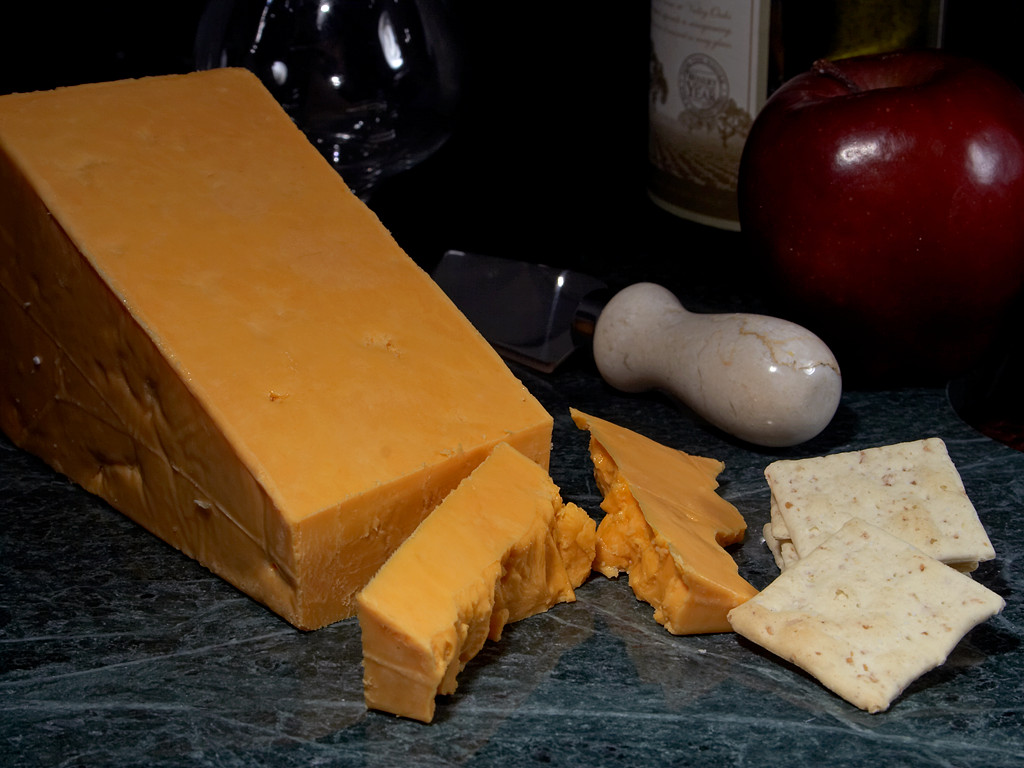 🇬🇧 United KingdomRed Leicester
A hard, crumbly cow's-milk cheese from England, aged for months and coloured with annatto.Cow · Hard · Sweet and caramel
🇬🇧 United KingdomRed Leicester
A hard, crumbly cow's-milk cheese from England, aged for months and coloured with annatto.Cow · Hard · Sweet and caramel
 🇫🇷 FrancePicodon
A small, spicy goat cheese from southern France with a rind that turns golden as it ages.Goat · Bloomy rind · Tangy and lactic
🇫🇷 FrancePicodon
A small, spicy goat cheese from southern France with a rind that turns golden as it ages.Goat · Bloomy rind · Tangy and lactic
 🇵🇹 PortugalSerra da EstrelaQueijo Serra da Estrela
A soft Portuguese sheep's milk cheese coagulated with thistle and aged for at least a month.Sheep · Bloomy rind · Buttery and creamy
🇵🇹 PortugalSerra da EstrelaQueijo Serra da Estrela
A soft Portuguese sheep's milk cheese coagulated with thistle and aged for at least a month.Sheep · Bloomy rind · Buttery and creamy
 🇫🇷 FranceGaperon
A dome-shaped Auvergne cheese with a white mold rind and garlic-pepper filling.Cow · Bloomy rind · Buttery and creamy
🇫🇷 FranceGaperon
A dome-shaped Auvergne cheese with a white mold rind and garlic-pepper filling.Cow · Bloomy rind · Buttery and creamy
 🇵🇸 Palestine and 1 moreNabulsi cheeseجبنة نابلسية
A white brined semi-hard cheese from Nablus, flavored with mahleb and mastic.Sheep · Brined · Salty
🇵🇸 Palestine and 1 moreNabulsi cheeseجبنة نابلسية
A white brined semi-hard cheese from Nablus, flavored with mahleb and mastic.Sheep · Brined · Salty
 🇬🇧 United KingdomLancashire cheese
A cow's-milk cheese from England with creamy, nutty, or crumbly varieties.Cow · Semi-hard · Nutty
🇬🇧 United KingdomLancashire cheese
A cow's-milk cheese from England with creamy, nutty, or crumbly varieties.Cow · Semi-hard · Nutty
 🇫🇷 FrancePélardon
A small, round soft-ripened goat cheese from the Cévennes mountains of southern France.Goat · Bloomy rind · Tangy and lactic
🇫🇷 FrancePélardon
A small, round soft-ripened goat cheese from the Cévennes mountains of southern France.Goat · Bloomy rind · Tangy and lactic
 🇫🇷 FranceSainte-Maure de Touraine
A soft-ripened goat's milk cheese from Touraine, aged with a straw through its center.Goat · Bloomy rind · Milky and fresh
🇫🇷 FranceSainte-Maure de Touraine
A soft-ripened goat's milk cheese from Touraine, aged with a straw through its center.Goat · Bloomy rind · Milky and fresh
 🇭🇷 CroatiaPag cheesePaški sir
A hard sheep's-milk cheese from Croatia's Pag island, aged up to eighteen months.Sheep · Hard · Salty
🇭🇷 CroatiaPag cheesePaški sir
A hard sheep's-milk cheese from Croatia's Pag island, aged up to eighteen months.Sheep · Hard · Salty
 🇹🇷 TurkeyBeyaz peynir
A salty Turkish brine cheese made from sheep, cow, or goat milk.Mixed · Brined · Salty
🇹🇷 TurkeyBeyaz peynir
A salty Turkish brine cheese made from sheep, cow, or goat milk.Mixed · Brined · Salty
 🇪🇸 SpainMahónformatge de Maó / queso de Mahón
A cow's-milk cheese from Menorca that ranges from soft and mild to hard and sharp.Cow · Semi-soft · Buttery and creamy
🇪🇸 SpainMahónformatge de Maó / queso de Mahón
A cow's-milk cheese from Menorca that ranges from soft and mild to hard and sharp.Cow · Semi-soft · Buttery and creamy
 🇫🇷 France and 1 moreTomme
A low-fat alpine cheese from France and Switzerland, often made from skimmed milk.Cow · Semi-hard · Milky and fresh
🇫🇷 France and 1 moreTomme
A low-fat alpine cheese from France and Switzerland, often made from skimmed milk.Cow · Semi-hard · Milky and fresh
 🇪🇸 SpainAfuega'l pitu
A soft, unpasteurised cow's milk cheese from Asturias, shaped like a mitre or sphere and often dusted with paprika.Cow · Milky and fresh
🇪🇸 SpainAfuega'l pitu
A soft, unpasteurised cow's milk cheese from Asturias, shaped like a mitre or sphere and often dusted with paprika.Cow · Milky and fresh
 🇫🇷 FranceChevrotin
A soft, washed-rind goat cheese from the Savoy Alps with a reddish rind.Goat · Bloomy rind · Tangy and lactic
🇫🇷 FranceChevrotin
A soft, washed-rind goat cheese from the Savoy Alps with a reddish rind.Goat · Bloomy rind · Tangy and lactic
 🇫🇷 FranceSaint-PaulinSaint Paulin
A semi-soft French cow's milk cheese with a washed orange rind and buttery flavour.Cow · Semi-soft · Buttery and creamy
🇫🇷 FranceSaint-PaulinSaint Paulin
A semi-soft French cow's milk cheese with a washed orange rind and buttery flavour.Cow · Semi-soft · Buttery and creamy
 🇹🇷 TurkeyTulumtulum peyniri
A traditional Turkish goat's milk cheese ripened inside a goatskin casing.Goat · Bloomy rind · Tangy and lactic
🇹🇷 TurkeyTulumtulum peyniri
A traditional Turkish goat's milk cheese ripened inside a goatskin casing.Goat · Bloomy rind · Tangy and lactic
 🇪🇬 Egypt and 1 moreDomiatiجبنه دمياطى
A soft, salty Egyptian white cheese salted before coagulation.Buffalo · Bloomy rind · Salty
🇪🇬 Egypt and 1 moreDomiatiجبنه دمياطى
A soft, salty Egyptian white cheese salted before coagulation.Buffalo · Bloomy rind · Salty
 🇫🇷 FranceFaisselle
A fresh, very soft French cheese strained in a faisselle mold, made from cow, goat, or sheep milk.Cow · Fresh · Milky and fresh
🇫🇷 FranceFaisselle
A fresh, very soft French cheese strained in a faisselle mold, made from cow, goat, or sheep milk.Cow · Fresh · Milky and fresh
 🇬🇷 Greece and 1 moreKopanistiΚοπανιστή
A soft, spicy Greek cheese from the Cyclades, made by kneading ripening curds.Mixed · Bloomy rind · Salty
🇬🇷 Greece and 1 moreKopanistiΚοπανιστή
A soft, spicy Greek cheese from the Cyclades, made by kneading ripening curds.Mixed · Bloomy rind · Salty
 🇬🇧 United KingdomCornish Yarg
A semi-hard cow's milk cheese from Cornwall wrapped in nettle leaves.Cow · Semi-hard · Tangy and lactic
🇬🇧 United KingdomCornish Yarg
A semi-hard cow's milk cheese from Cornwall wrapped in nettle leaves.Cow · Semi-hard · Tangy and lactic
 🇫🇷 FranceChabichou
A cylindrical French goat cheese with a natural rind, aged for two to three weeks.Goat · Semi-soft · Tangy and lactic
🇫🇷 FranceChabichou
A cylindrical French goat cheese with a natural rind, aged for two to three weeks.Goat · Semi-soft · Tangy and lactic
Photo credits on this page
The small pictures above come from Wikimedia Commons under free licences. Some are cropped to fit.
- Brocciu: Unknown author, CC BY-SA 3.0, source
- Tyrolean grey cheese: Jürgele, CC BY-SA 3.0, source
- Pélardon: Coyau, CC BY-SA 3.0, source
- Caerphilly: Jon Sullivan, Public domain, source
- Mahón: Slastic, Public domain, source
- Paneer: Sonja Pauen - Stanhopea, CC BY 2.0 de, source
- Rocamadour: Myrabella, CC BY-SA 3.0, source
- Olomouc curd cheese: Chmee2, CC BY-SA 3.0, source
- Chhurpi: Arijit Dasgupta, CC BY 2.0, source
- Lancashire cheese: Jon Sullivan, Public domain, source
- Gamalost: Quick fix, CC BY 2.0, source
- Pecorino: Ji-Elle, CC BY-SA 3.0, source
- Sainte-Maure de Touraine: Coyau, CC BY-SA 3.0, source
- Laguiole: Myrabella, CC BY-SA 3.0, source
- Pag cheese: Silverije, CC BY-SA 4.0, source
- Cornish Yarg: Tristan Ferne, CC BY 2.0, source
- Red Leicester: Jon Sullivan, Public domain, source
- Beyaz peynir: E4024, CC BY-SA 4.0, source
- Tomme: Unknown author, CC BY-SA 3.0, source
- Faisselle: Véronique PAGNIER, CC BY-SA 3.0, source
- Chabichou: Mark Baker, CC BY-SA 4.0, source
- Serra da Estrela: Adriao, Public domain, source
- Feta: Unknown author, CC BY-SA 3.0, source
- Kopanisti: C messier, CC BY-SA 4.0, source
- Brunost: Unknown author, CC BY-SA 3.0, source
- Domiati: MartinKassemJ120, CC BY-SA 4.0, source
- Nabulsi cheese: رائد عزمي حموده, CC BY-SA 3.0, source
- Halloumi: Rainer Zenz, CC BY-SA 3.0, source
- Kalimpong cheese: Coyau, CC BY-SA 3.0, source
- St Tola: HighKing, CC BY-SA 3.0, source
- Sura Kees: Clemens M. Brandstetter, Buers, CC BY-SA 3.0, source
- Mozzarella: Popo le Chien, CC BY-SA 3.0, source
- Camembert: Unknown author, CC BY-SA 3.0, source
- Chevrotin: Benoît Prieur, CC0, source
- Picodon: Thesupermat, CC BY-SA 4.0, source
- Munster: Pierre-Yves Beaudouin, CC BY-SA 4.0, source
- Limburger: Jon Sullivan, Public domain, source
- Afuega'l pitu: Denissf, CC BY-SA 3.0, source
- Quark: SKopp, CC BY-SA 4.0, source
- Gaperon: Pymouss, CC BY-SA 4.0, source
- Appenzeller: Ulled, CC BY-SA 4.0, source
- Tulum: E4024, CC BY-SA 4.0, source
- Saint-Paulin: Unknown author, CC BY-SA 3.0, source