
Lancashire cheese
A cow's-milk cheese from England with creamy, nutty, or crumbly varieties.
Lancashire is a traditional English cheese made from cow's milk in the county of Lancashire. It comes in three main styles: a young creamy version, a mature nutty type, and a modern crumbly variety. The classic method blends curds from different days to create a unique texture and mild flavour.
- Three varieties: Creamy, Tasty, and Crumbly.
- Traditional method blends curds from multiple days.
- Standardized by Joseph Gornall in the 1890s.
- PDO protection for Beacon Fell Traditional Lancashire Cheese.
- Traditionally paired with Eccles and Chorley cakes.
What is Lancashire cheese?
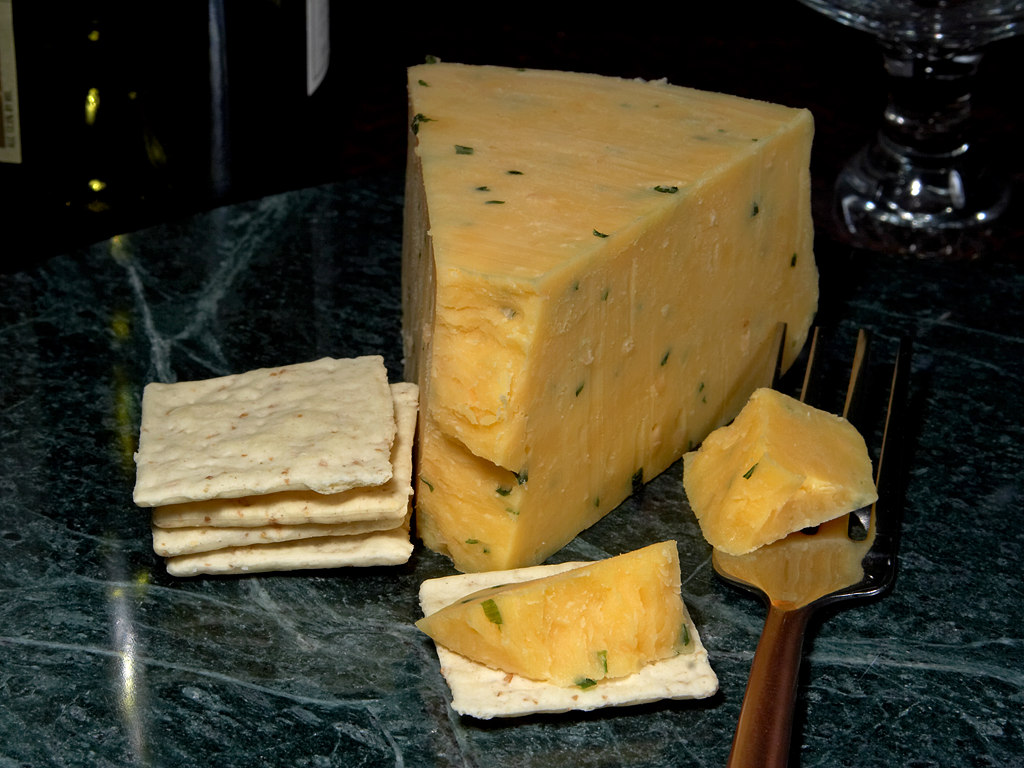
Lancashire is a British cheese produced from cow's milk in the historic county of Lancashire. It exists in three distinct forms that differ in texture and age. The most traditional versions are Creamy and Tasty Lancashire, which share a unique production technique. These cheeses feature a semi-soft to semi-hard paste that ranges from fluffy and mild to firm and nutty. A third type, Crumbly Lancashire, was developed later for industrial use and has a drier, more acidic structure. The cheese typically presents as white or cream in colour, with a rind that is natural and unadorned. Its appearance varies significantly between the moist, spreadable young wheels and the harder, grating older blocks.
Where does Lancashire cheese come from?
The cheese originates from the county of Lancashire in England. For centuries, dairy farmers' wives created it using surplus milk. On small farms, daily milk yields were too low to form a single cheese, so curds were collected over several days until enough accumulated. This practice led to the distinctive blending of curds of varying ages. In the 1890s, Joseph Gornall, an employee of the county council, visited local farms to standardize this process. He established a recipe known as the 'Gornall method', which remains the basis for traditional production today. His patented cheesemaking device was sold widely between 1892 and 1919.
What does Lancashire cheese taste like?
The taste profile depends heavily on the specific variety and its maturation period. Young Creamy Lancashire offers a mild, buttery, and creamy flavour with a fluffy texture that does not become stringy when heated. As the cheese ages into the Tasty Lancashire category, the flavour deepens into a mature, nutty character. Crumbly Lancashire provides a sharper, high-acid taste with a fresh, dry mouthfeel. The aroma is generally clean and milky, reflecting the simple ingredients and traditional methods used in its creation.
How Lancashire cheese is made
Traditional Lancashire cheese is made using the 'Gornall method'. This involves curdling milk from multiple days and blending curds of different maturities together, a step unique among British cheeses. The curds are then processed using specialized equipment, such as the historical 'Gornall Patent Cheesemaker'. For Crumbly Lancashire, the process differs; it uses milk from a single day, resulting in a cheese similar to Cheshire or Wensleydale. The curds are pressed and salted before being aged. The aging period determines the final texture, ranging from four weeks for the softest varieties to two years for the hardest.
Lancashire cheese, drawn
How Lancashire cheese is eaten and cooked
Lancashire cheese is versatile in the kitchen. Creamy Lancashire is particularly good for toasting because it melts without turning rubbery. It is often served alongside Eccles cakes and Chorley cakes, a traditional pairing in the region. Tasty Lancashire can be grated over dishes or eaten on its own due to its firmer texture. Crumbly Lancashire is frequently used in sandwiches or packed lunches where a dry, non-sticky cheese is preferred. It is also suitable for baking in pastries where a subtle cheesy flavour is desired.
Lancashire cheese through the day
This cheese fits comfortably into daily eating habits across England. It is commonly enjoyed as a snack, often paired with tea or coffee. The traditional combination with Eccles and Chorley cakes makes it a staple for lunch or afternoon tea. Creamy varieties work well as a light dinner component or a starter. Because of its mild nature, it appeals to those who prefer less intense flavours, making it a regular fixture on family tables rather than just special occasion boards.
Lancashire cheese in the world's kitchens
Lancashire cheese is deeply rooted in English culinary tradition, specifically within the north-west of England. It reflects the agricultural history of the Lancashire county, where dairy farming was central to rural life. The cheese is primarily consumed in the United Kingdom, though its reputation extends to other parts of Europe. Local eateries and homes in Lancashire continue to produce and consume the traditional varieties, preserving the link between the land and the food. The crumbly version has gained wider distribution due to mass production techniques.
At a glance: where it turns up

Faith and ritual
There are no specific religious associations or ritual uses tied to Lancashire cheese in the provided sources. It is a secular product of local agriculture and domestic dairying. While some British cheeses have monastic origins, Lancashire's history is tied to farm wives and county council standardization efforts rather than religious orders or fasting rules.
Lancashire cheese at celebrations
The cheese is associated with everyday hospitality and local festivals through its pairing with regional baked goods. Eccles cakes and Chorley cakes are traditional items often shared during community gatherings or family celebrations. The PDO status of Beacon Fell Traditional Lancashire Cheese highlights its importance to local heritage, celebrating the specific geography and methods of the area north of the River Ribble. It represents the continuity of local farming practices rather than a specific holiday event.
Custom and folk tradition
Folk custom in Lancashire centres on the resourcefulness of dairy farmers' wives who turned surplus milk into valuable food. The practice of accumulating curds over several days speaks to the economic realities of small-scale farming. The 'Gornall method' formalized this folk wisdom into a reproducible industrial process. Today, the distinction between traditional and crumbly varieties marks the shift from home-based production to commercial manufacturing, yet the traditional name remains a point of local pride.
Buying, keeping and serving Lancashire cheese
To maintain quality, Lancashire cheese should be stored in the refrigerator. Creamy varieties, being softer, are best consumed within a few weeks of purchase. Tasty and aged versions can last longer if wrapped properly to prevent drying out. Crumbly Lancashire, due to its lower moisture content, may keep well for several weeks. It is recommended to store the cheese in wax paper or cling film to balance humidity and airflow.
What to use instead of Lancashire cheese
When traditional Lancashire is unavailable, Crumbly Lancashire can serve as a substitute for recipes requiring a milder, non-stringy melt. For those seeking a similar texture in other contexts, Cheshire or Wensleydale are often compared to the crumbly variety. Mature Tasty Lancashire can sometimes be replaced by other semi-hard English cheeses like Cheddar, though the flavour profile will differ. Beacon Fell Traditional Lancashire has no direct substitute due to its protected status and specific geographic origin.
Protection and trade
Production of Lancashire cheese is regulated, particularly for the PDO-protected Beacon Fell Traditional Lancashire Cheese. This designation applies only to cheese made from milk sourced north of the River Ribble, including areas like Fylde, Preston, and Blackpool. The PDO ensures adherence to a designated method and geographic boundaries. Mass-produced Crumbly Lancashire is manufactured outside Lancashire, contrasting with the traditional varieties that remain tied to the county. The market includes both artisanal producers following the Gornall method and large-scale factories producing the crumbly style.
Dishes with Lancashire cheese
Questions people ask about Lancashire cheese
What kind of milk is used to make Lancashire cheese?
Lancashire cheese is made exclusively from cow's milk. The milk is sourced from cows grazing in the county of Lancashire or the designated PDO area north of the River Ribble.
Where does Lancashire cheese come from?
It originates from the county of Lancashire in England. The traditional varieties are still made there, while the crumbly version is produced more widely for mass markets.
What does Lancashire cheese taste like?
Young Creamy Lancashire is mild and buttery. Tasty Lancashire develops a nutty flavour as it ages. Crumbly Lancashire has a sharper, higher acidity and a dry texture.
Is all Lancashire cheese protected?
No. Only 'Beacon Fell Traditional Lancashire Cheese' holds Protected Designation of Origin (PDO) status. Other varieties, especially Crumbly Lancashire, are produced under different standards.
Good reading and sources
- Lancashire cheese on WikipediaEncyclopedia
- More photos on Wikimedia CommonsPhotos and video
- Wikidata recordOpen data
The facts on this page come from the Wikipedia article "Lancashire cheese", written by its contributors and used under the CC BY-SA 4.0 licence, and from its Wikidata record (CC0). EveryCheese rewrote the text in its own words, with AI assistance, and compares every page with the article to make sure no passage is copied. It may be reused under the same CC BY-SA 4.0 licence with a link back.
It may contain mistakes. Recipes, ageing and customs differ from one dairy, valley or kitchen to the next. Folk beliefs are described as tradition, never as advice. If something is wrong, tell us. Last refreshed 2026-10-15.
More from the United Kingdom
All the cheeses of the United Kingdom 🇬🇧 United KingdomStinking Bishop
A washed-rind cow's-milk cheese from Gloucestershire, ripened in perry.Cow · Semi-soft · Savoury and brothy
🇬🇧 United KingdomHereford Hop
A firm cow's-milk cheese with a rind coated in toasted hops, made in Herefordshire.Cow · Semi-hard · Savoury and brothy
🇬🇧 United KingdomStinking Bishop
A washed-rind cow's-milk cheese from Gloucestershire, ripened in perry.Cow · Semi-soft · Savoury and brothy
🇬🇧 United KingdomHereford Hop
A firm cow's-milk cheese with a rind coated in toasted hops, made in Herefordshire.Cow · Semi-hard · Savoury and brothy
 🇬🇧 United KingdomDouble Gloucester
A semi-hard cow's-milk cheese from England with a savoury flavour and natural rind.Cow · Semi-hard · Savoury and brothy
🇬🇧 United KingdomDouble Gloucester
A semi-hard cow's-milk cheese from England with a savoury flavour and natural rind.Cow · Semi-hard · Savoury and brothy
 🇬🇧 United KingdomDunlopcàise Dhùn Lùib
A mild Scottish cheese from Ayrshire made with unskimmed cow's milk.Cow · Semi-soft · Sweet and caramel
🇬🇧 United KingdomDunlopcàise Dhùn Lùib
A mild Scottish cheese from Ayrshire made with unskimmed cow's milk.Cow · Semi-soft · Sweet and caramel
Its cousins elsewhere
All semi-hard cheeses 🇮🇳 IndiaKalimpong cheese
A mild, crumbly cow's-milk cheese from a West Bengal hill station, started by a Jesuit priest.Cow · Semi-hard · Tangy and lactic
🇺🇸 United StatesCold-pack cheese
A chilled blend of natural cheeses mixed with flavorings without cooking.Mixed · Bloomy rind · Savoury and brothy
🇮🇳 IndiaKalimpong cheese
A mild, crumbly cow's-milk cheese from a West Bengal hill station, started by a Jesuit priest.Cow · Semi-hard · Tangy and lactic
🇺🇸 United StatesCold-pack cheese
A chilled blend of natural cheeses mixed with flavorings without cooking.Mixed · Bloomy rind · Savoury and brothy
 🇮🇳 IndiaKalari
A semi-soft cow or buffalo milk cheese from Jammu and Kashmir, dried and sautéed until gooey.Cow · Semi-soft · Savoury and brothy
🇮🇱 Israel and 1 moreGvina levanaגבינה לבנה
A soft, unripened cow's-milk cheese spread on bread in Israel.Cow · Fresh · Tangy and lactic
🇮🇳 IndiaKalari
A semi-soft cow or buffalo milk cheese from Jammu and Kashmir, dried and sautéed until gooey.Cow · Semi-soft · Savoury and brothy
🇮🇱 Israel and 1 moreGvina levanaגבינה לבנה
A soft, unripened cow's-milk cheese spread on bread in Israel.Cow · Fresh · Tangy and lactic