Suffolk Gold
A semi-hard cow's milk cheese from Suffolk with a buttery taste.
This semi-hard cheese comes from Guernsey cow milk in England. It has a creamy texture and buttery flavour. The dairy started in 2004 near Creeting St Mary.
- Made from Guernsey cow milk.
- Weighs three kilograms per wheel.
- Aged for eight to ten weeks.
- Buttery flavour and creamy texture.
- Produced in Creeting St Mary.
What is Suffolk Gold?
Suffolk Gold is a semi-hard cheese made from the milk of Guernsey cows. Each wheel weighs about three kilograms. The paste is smooth and creamy. The flavour is distinctly buttery. This cheese is produced by Suffolk Farmhouse Cheeses. The family business runs a dairy in Creeting St Mary. That village sits in the county of Suffolk. The English countryside provides the setting for this production.
Where does Suffolk Gold come from?
The dairy began operations in 2004. It is located in Creeting St Mary. This town is in Suffolk, England. The makers use milk from Guernsey cattle. These cows are known for their rich milk. The farm stays within the local community. They focus on traditional methods. The cheese represents a modern addition to British dairy farming.
What does Suffolk Gold taste like?
The taste is primarily buttery. The texture feels creamy on the tongue. This softness comes from its semi-hard nature. The flavour remains consistent throughout. There are no sharp or pungent notes. The buttery quality makes it approachable. It offers a gentle dairy experience.
How Suffolk Gold is made
Milk from Guernsey cows is pasteurised. The curds are then processed into wheels. Each wheel reaches three kilograms. The cheese rests for eight to ten weeks. This aging period develops the texture. The dairy handles all steps internally. Family members oversee the daily work.
Suffolk Gold, drawn
How Suffolk Gold is eaten and cooked
People eat this cheese as a snack. It can be served on a board. The cheese also appears in crisps. Fairfields Farm uses it in their products. Those crisps come from Colchester. The cheese adds flavour to snacks. It melts well in cooked dishes.
Suffolk Gold through the day
This cheese fits well as a snack. It works for afternoon tea. People might enjoy it with crackers. It does not require cooking. The mild taste suits casual eating. It pairs easily with other foods.
Suffolk Gold in the world's kitchens
British cuisine includes this cheese. It comes from Suffolk. The makers target local markets. English consumers appreciate the buttery profile. The cheese reflects regional dairy traditions. It stands alongside other British varieties.
At a glance: where it turns up
Custom and folk tradition
The dairy operates as a family business. They have worked since 2004. Their methods follow local practices. The community supports the farm. The cheese represents modern farming. It does not have ancient roots.
Protection and trade
The Suffolk Agricultural Association gave an award in 2013. This was the BALE award. The recognition came for agricultural excellence. The dairy continues to produce locally. They supply ingredients to other makers. Fairfields Farm buys the cheese for crisps.
Questions people ask about Suffolk Gold
What kind of milk is used?
Suffolk Gold is made from the milk of Guernsey cows. The milk is pasteurised before cheesemaking begins.
Where is this cheese from?
It comes from Creeting St Mary in Suffolk, England. The dairy has operated there since 2004.
How long is it aged?
The wheels age for eight to ten weeks. This time allows the texture to become semi-hard.
What does it taste like?
The cheese has a distinct buttery flavour. The texture is smooth and creamy throughout.
Good reading and sources
The facts on this page come from the Wikipedia article "Suffolk Gold cheese", written by its contributors and used under the CC BY-SA 4.0 licence, and from its Wikidata record (CC0). EveryCheese rewrote the text in its own words, with AI assistance, and compares every page with the article to make sure no passage is copied. It may be reused under the same CC BY-SA 4.0 licence with a link back.
It may contain mistakes. Recipes, ageing and customs differ from one dairy, valley or kitchen to the next. Folk beliefs are described as tradition, never as advice. If something is wrong, tell us. Last refreshed 2026-10-15.
More from the United Kingdom
All the cheeses of the United Kingdom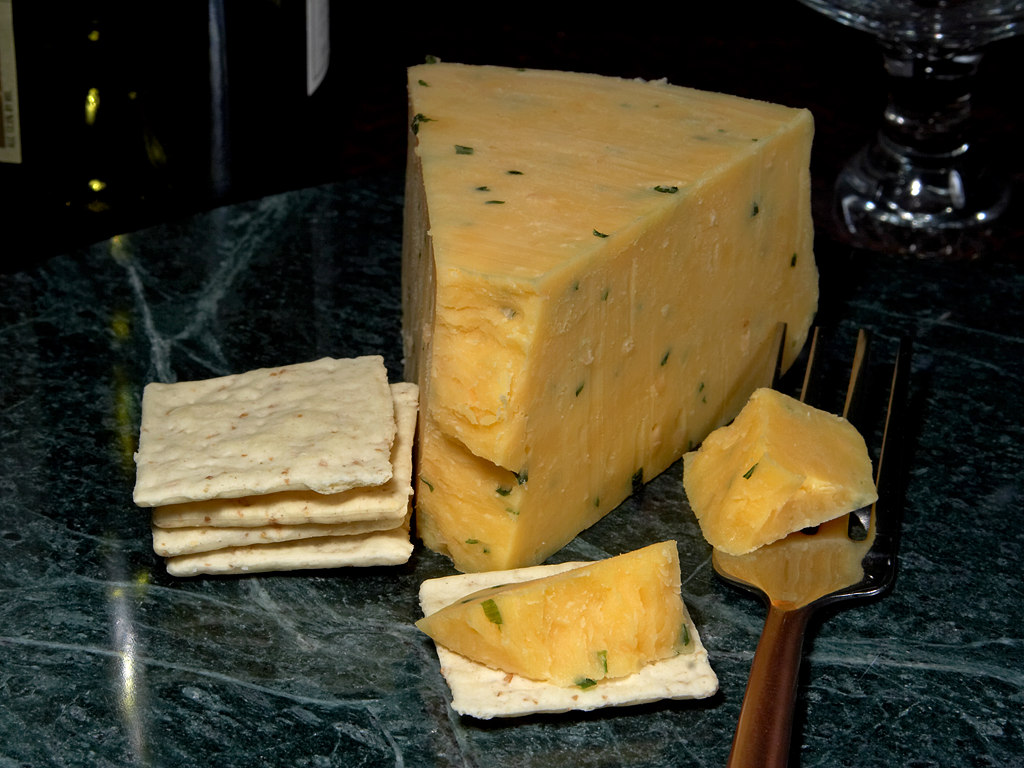 🇬🇧 United KingdomDouble Gloucester
A semi-hard cow's-milk cheese from England with a savoury flavour and natural rind.Cow · Semi-hard · Savoury and brothy
🇬🇧 United KingdomDouble Gloucester
A semi-hard cow's-milk cheese from England with a savoury flavour and natural rind.Cow · Semi-hard · Savoury and brothy
 🇬🇧 United KingdomLancashire cheese
A cow's-milk cheese from England with creamy, nutty, or crumbly varieties.Cow · Semi-hard · Nutty
🇬🇧 United KingdomLancashire cheese
A cow's-milk cheese from England with creamy, nutty, or crumbly varieties.Cow · Semi-hard · Nutty
 🇬🇧 United KingdomSage Derby
A semi-hard cow's milk cheese from England with a mottled green rind and sage flavour.Cow · Semi-hard · Herbal and grassy
🇬🇧 United KingdomSage Derby
A semi-hard cow's milk cheese from England with a mottled green rind and sage flavour.Cow · Semi-hard · Herbal and grassy
Its cousins elsewhere
All semi-hard cheeses 🇺🇸 United StatesBergenost
A triple-cream Norwegian-style butter cheese from New York with green wax.Mixed · Semi-soft · Buttery and creamy
🇺🇸 United StatesBergenost
A triple-cream Norwegian-style butter cheese from New York with green wax.Mixed · Semi-soft · Buttery and creamy
 🇺🇸 United States and 2 moreCottage cheese
A fresh, unaged curd cheese made from skimmed milk and dressed with cream.Cow · Fresh · Tangy and lactic
🇺🇸 United States and 2 moreCottage cheese
A fresh, unaged curd cheese made from skimmed milk and dressed with cream.Cow · Fresh · Tangy and lactic
 🇺🇸 United States and 3 moreCream cheese
A soft, unripened cow's-milk cheese made with added cream and eaten fresh.Cow · Fresh · Buttery and creamy
🇺🇸 United States and 3 moreCream cheese
A soft, unripened cow's-milk cheese made with added cream and eaten fresh.Cow · Fresh · Buttery and creamy
 🇺🇸 United States and 1 moreMonterey Jack
A mild, semi-hard cow's-milk cheese from California with a creamy texture and slight sweetness.Cow · Semi-hard · Sweet and caramel
🇺🇸 United States and 1 moreMonterey Jack
A mild, semi-hard cow's-milk cheese from California with a creamy texture and slight sweetness.Cow · Semi-hard · Sweet and caramel