
Cream cheese
A soft, unripened cow's-milk cheese made with added cream and eaten fresh.
Originating in the United States during the 1870s, this fresh cheese blends milk and cream into a smooth, mild paste. It contains no rind and is never aged, distinguishing it from other soft varieties like Brie. The spread is widely used in baking, as a sandwich topping, or served on crackers.
- First mass-produced in Chester, New York, in the 1870s.
- Contains at least 33% milk fat in the United States.
- Never aged; consumed fresh shortly after production.
- Essential ingredient in Ashkenazi Jewish bagel sandwiches.
- Stabilizers like carob bean gum are common in commercial versions.
What is Cream cheese?
This product is a soft, unripened cheese created by combining milk and cream. Unlike aged varieties, it is meant to be consumed immediately after production. The texture is smooth and spreadable, lacking any natural rind. It tastes mild and slightly tangy, with a buttery richness derived from the high fat content. In the United States, regulations require at least thirty-three percent milk fat, while Canadian standards mandate a minimum of thirty percent. Stabilizers like carob bean gum are often added to industrial batches to maintain consistency and prevent separation.
Where does Cream cheese come from?
The cheese was first mass-produced in the United States during the 1870s. Dairyman William A. Lawrence of Chester, New York, began making an unripened cheese around 1873 by adding cream to his Neufchâtel process. By 1877, he established the first brand. Later, distributor Alvah Reynolds marketed the product under the name Philadelphia Cream Cheese, despite its origins in New York state rather than Pennsylvania. The brand rights eventually passed to the Phenix Cheese Company, which later merged with Kraft.
What does Cream cheese taste like?
The taste profile is notably mild and clean, avoiding the sharpness found in matured cheeses. Its primary characteristic is a rich, creamy mouthfeel that coats the palate. Because it is not aged, there are no complex fermentation notes or pungent aromas. The flavor remains consistent throughout its short shelf life, offering a subtle dairy sweetness balanced by a gentle acidity from the bacterial culture.
How Cream cheese is made
Producers start with pasteurized and homogenized milk, then introduce lactic acid bacteria. These cultures ferment the lactose, lowering the pH until the proteins coagulate into a curd. The mixture is heated to approximately fifty-two to sixty-three degrees Celsius to halt fermentation. Commercial manufacturers add stabilizers such as guar gum or carrageenan to bind water and fat, preventing separation. The whey is removed, and the remaining mass is processed into a smooth paste.
Cream cheese, drawn
How Cream cheese is eaten and cooked
It serves as a versatile ingredient in both sweet and savory applications. A classic use is spreading it on bagels, often paired with smoked fish and capers in Ashkenazi Jewish cuisine. It functions as a base for cheesecakes, providing structure and moisture. Cooks also blend it into frostings, dips, and sauces to add creaminess. It can be eaten plain on crackers or incorporated into baked goods where its mild flavor does not overpower other ingredients.
Cream cheese through the day
Breakfast is a primary occasion, particularly when served on toasted bread or bagels. It appears frequently as a lunch component in sandwiches and spreads. The cheese is also common as a snack, either alone or with fruit. In desserts, it forms the foundation of many cakes and tarts. It rarely features in formal dinner courses but may appear on casual boards alongside fruits and nuts.
Cream cheese in the world's kitchens
It holds a significant place in Ashkenazi Jewish cuisine, particularly within New York City, where it is essential for traditional bagel preparations. American culinary traditions embrace it heavily in baking and breakfast contexts. In Mexico and Spain, it is sometimes referred to by the generic term queso filadelfia due to historical marketing efforts. Canadian regulations also define specific standards for its production, reflecting its integration into North American food systems.
At a glance: where it turns up
By meal and use
Cuisines
Faith and tradition
Celebrations


Faith and ritual
The cheese is closely tied to Ashkenazi Jewish dietary traditions in the United States. It is a staple in kosher kitchens, often prepared with vegetarian rennet to adhere to specific dietary laws regarding meat and dairy separation. Its presence on the table accompanies daily meals rather than specific religious rituals, serving as a practical and culturally significant food item for communities observing these customs.
Cream cheese at celebrations
There are no specific festivals or holidays exclusively associated with this cheese. It is considered an everyday food item rather than a celebratory dish. Its consumption is routine, appearing regularly in households without special occasion requirements. The bagel and cream cheese combination is a daily staple rather than a holiday-specific tradition.
Custom and folk tradition
Its history is rooted in the dairy farming practices of upstate New York in the late nineteenth century. The transition from farmstead production to branded commercial distribution marks a shift in American food industry history. The naming convention, linking a New York product to Philadelphia, reflects early twentieth-century marketing strategies aimed at evoking quality and prestige. Local lore preserves the names of early producers like Lawrence and Reynolds.
Buying, keeping and serving Cream cheese
Keep the cheese refrigerated at all times to maintain freshness and prevent spoilage. Once opened, consume it within a week for best quality. Store it in its original container or an airtight wrapper to avoid absorbing odors from other foods. Do not freeze, as this alters the texture and causes separation. Always check the expiration date before purchase.
What to use instead of Cream cheese
Mascarpone offers a similar richness but lacks the tangy acidity. Ricotta provides a grainier texture and lower fat content. Greek yogurt can mimic the spreadability and tartness in some recipes, though it is thinner. For baking, blended cottage cheese works as a low-fat alternative. Petit suisse is occasionally suggested as a substitute in certain European contexts.
Protection and trade
The market is dominated by large-scale industrial producers who standardize the product across regions. Brand names like Philadelphia have achieved global recognition, influencing how the cheese is perceived worldwide. Regulations in the United States and Canada strictly define fat and moisture levels, ensuring consistency. Imitations and flavored variants expand the product line, catering to diverse consumer preferences while maintaining the core identity of the fresh cheese.
Dishes with Cream cheese
Questions people ask about Cream cheese
Where did cream cheese originate?
It originated in the United States during the 1870s. Dairyman William A. Lawrence in Chester, New York, first mass-produced it by adding cream to milk.
What kind of milk is used to make it?
It is made from cow's milk combined with cream. This gives it a higher fat content and smoother texture compared to standard fresh cheeses.
How does it differ from Brie?
Cream cheese is unripened and has no rind, while Brie is a soft-ripened cheese with a white mold rind. Cream cheese is eaten fresh, whereas Brie matures over weeks.
Is it suitable for vegetarians?
Many brands use microbial or vegetable-based rennet, making them suitable for vegetarians. However, some may contain animal-derived enzymes, so checking labels is necessary.
What is a common way to eat it?
It is most famously spread on bagels, often with smoked salmon and capers. It is also used in cheesecakes, frostings, and as a dip for vegetables.
Good reading and sources
- Cream cheese on WikipediaEncyclopedia
- More photos on Wikimedia CommonsPhotos and video
- Wikidata recordOpen data
The facts on this page come from the Wikipedia article "Cream cheese", written by its contributors and used under the CC BY-SA 4.0 licence, and from its Wikidata record (CC0). EveryCheese rewrote the text in its own words, with AI assistance, and compares every page with the article to make sure no passage is copied. It may be reused under the same CC BY-SA 4.0 licence with a link back.
It may contain mistakes. Recipes, ageing and customs differ from one dairy, valley or kitchen to the next. Folk beliefs are described as tradition, never as advice. If something is wrong, tell us. Last refreshed 2026-10-15.
More from the United States
All the cheeses of the United States 🇺🇸 United States and 2 moreCottage cheese
A fresh, unaged curd cheese made from skimmed milk and dressed with cream.Cow · Fresh · Tangy and lactic
🇺🇸 United States and 2 moreCottage cheese
A fresh, unaged curd cheese made from skimmed milk and dressed with cream.Cow · Fresh · Tangy and lactic
 🇨🇦 Canada and 1 moreCheese curds
Fresh, squeaky pieces of cheddar-style curd eaten in North America.Cow · Fresh · Milky and fresh
🇨🇦 Canada and 1 moreCheese curds
Fresh, squeaky pieces of cheddar-style curd eaten in North America.Cow · Fresh · Milky and fresh
Its cousins elsewhere
All fresh cheeses 🇦🇱 AlbaniaMishavin
A soft, crumbly Albanian cheese aged in skins and wood from sheep or cow milk.Sheep · Buttery and creamy
🇮🇹 ItalyCastelrosso
A rare semi-hard cow's milk cheese from Piedmont with a gray rind and mild lactic flavor.Cow · Semi-hard · Buttery and creamy
🇦🇹 AustriaChorherrenkäse
A mild, semi-hard Austrian cow's milk cheese with a buttery taste and white rind.Cow · Semi-hard · Buttery and creamy
🇦🇱 AlbaniaMishavin
A soft, crumbly Albanian cheese aged in skins and wood from sheep or cow milk.Sheep · Buttery and creamy
🇮🇹 ItalyCastelrosso
A rare semi-hard cow's milk cheese from Piedmont with a gray rind and mild lactic flavor.Cow · Semi-hard · Buttery and creamy
🇦🇹 AustriaChorherrenkäse
A mild, semi-hard Austrian cow's milk cheese with a buttery taste and white rind.Cow · Semi-hard · Buttery and creamy
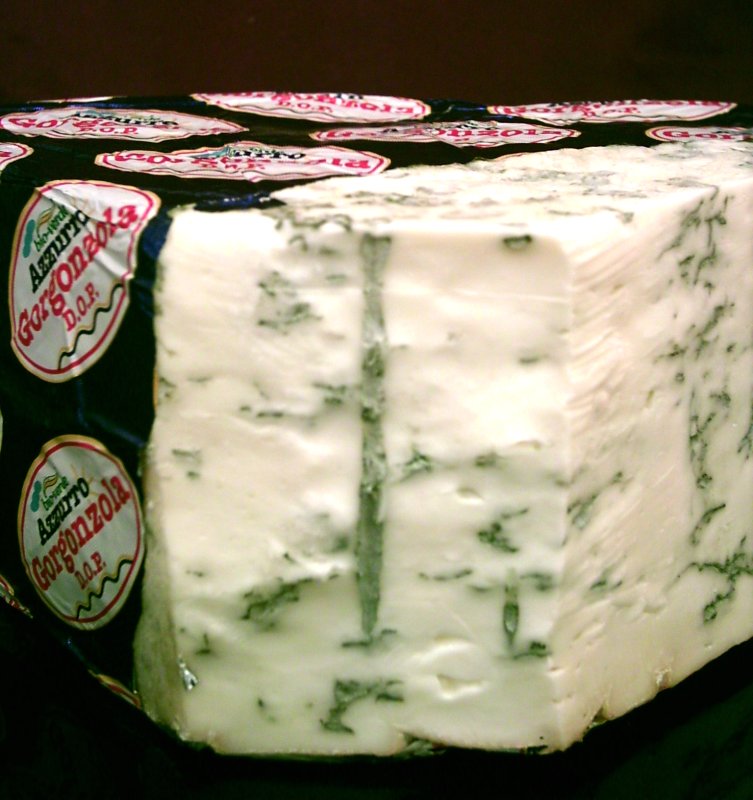 🇮🇹 Italy and 2 moreGorgonzola
A creamy Italian blue cheese from Lombardy with two distinct styles.Cow · Bloomy rind · Salty
🇮🇹 Italy and 2 moreGorgonzola
A creamy Italian blue cheese from Lombardy with two distinct styles.Cow · Bloomy rind · Salty