
Sage Derby
A semi-hard cow's milk cheese from England with a mottled green rind and sage flavour.
Sage Derby is a traditional English cheese made from cow's milk. It features a distinctive marbled green appearance and a mild herbal taste derived from sage leaves added during production. The cheese is aged for one to three months before consumption.
- Sage Derby is a semi-hard English cheese with green marbling.
- Flavour comes from sage leaves added to the curd during making.
- First produced in the seventeenth century in Derby, England.
- Traditionally made for Christmas and harvest festivals.
- Aged for one to three months before sale.
What is Sage Derby?
Sage Derby is a semi-hard cheese originating in England. It is distinguished by its pale green marbling, which results from adding herbs to the curd. The texture is firm yet smooth, and the flavour is mild with a subtle herbal note. The cheese is typically produced in wheels or blocks, though specific dimensions are not recorded. Its visual appeal comes from the contrast between the white paste and the green streaks of sage or other botanicals.
Where does Sage Derby come from?
Production began in the seventeenth century in England, specifically associated with the town of Derby. Initially, this cheese was reserved for special occasions such as harvest festivals and Christmas. Over time, it became available year-round. The tradition of colouring the cheese with herbs dates back centuries, reflecting local agricultural practices and seasonal availability of plants like sage and spinach.
What does Sage Derby taste like?
The taste is mild and creamy, with a distinct herbal character provided by sage. When sage leaves are mixed directly into the curd, the flavour is more pronounced. If green corn or spinach juice is used for colour, colourless sage extract is added to ensure the herb taste remains. Other herbs like parsley, spinach, or marigold can also be used, altering the specific herbal nuance slightly while maintaining the overall mild profile.
How Sage Derby is made
Cow's milk is used to create the curds. Sage leaves are bruised and steeped, then mixed into the curd before pressing to create the green marbling. Alternatively, green corn or spinach juice provides the colour, requiring separate addition of sage extract for flavour. The curds are pressed into shape and then aged for one to three months. This short ageing period keeps the texture semi-hard and the flavour mild.
Sage Derby, drawn
How Sage Derby is eaten and cooked
Sage Derby is often served on cheese boards or eaten as a snack. Its mild flavour makes it suitable for pairing with light accompaniments. While traditionally consumed plain, its semi-hard texture allows it to be sliced easily. It is not typically used for melting in cooking due to its delicate herbal notes, which might be lost under high heat. It is best enjoyed at room temperature to appreciate the full sage aroma.
Sage Derby through the day
This cheese fits well as a snack or part of a cheese board. Historically, it was featured during festive meals, particularly at Christmas and harvest celebrations. Today, it can be enjoyed at any time of day, though its mild nature makes it a pleasant afternoon treat or a starter for dinner. It does not have a strong enough flavour to dominate a heavy meal but complements lighter fare.
Sage Derby in the world's kitchens
Sage Derby is an English cheese, deeply rooted in the culinary traditions of the East Midlands. It reflects the British preference for mild, herb-infused dairy products. While primarily consumed in the United Kingdom, its unique appearance and flavour profile make it a notable example of traditional English cheesemaking. It is not widely exported or integrated into other national cuisines, remaining a local specialty.
At a glance: where it turns up
Faith and ritual
There are no specific religious associations or ritual uses tied to Sage Derby. It is not considered sacred or restricted by any faith-based dietary laws beyond standard vegetarian considerations if animal rennet is used. The cheese is secular in nature, valued for its taste and historical significance rather than spiritual meaning.
Sage Derby at celebrations
Originally, Sage Derby was made exclusively for festive occasions. Harvest time and Christmas were key events where this cheese would appear on tables. These celebrations marked the end of agricultural cycles and the winter holiday season. Although now available year-round, its association with these joyful gatherings remains part of its identity.
Custom and folk tradition
The practice of adding herbs to cheese dates back to the seventeenth century in England. Farmers and cheesemakers in Derby utilized locally available plants like sage, parsley, and marigold to enhance both the look and taste of their produce. This method was a way to preserve the essence of the growing season within the dairy product. The tradition highlights the resourcefulness of rural communities in creating distinctive foods from simple ingredients.
Buying, keeping and serving Sage Derby
Store Sage Derby in the refrigerator, wrapped in wax paper or cheese cloth to allow it to breathe. Consume it within a few weeks of opening for the best flavour. Avoid freezing, as this can alter the semi-hard texture and diminish the delicate sage notes. Keep it away from strong-smelling foods to prevent absorption of unwanted odors.
What to use instead of Sage Derby
If Sage Derby is unavailable, other herb-infused cheeses like parsley-coloured Cheddar or marbled Gouda may serve as alternatives. However, none will replicate the exact combination of cow's milk base and sage flavour. For a closer match, seek out artisanal English semi-hard cheeses that explicitly mention sage or herb additions in their production.
Protection and trade
Sage Derby does not hold protected designation of origin status. It is produced by various makers in the United Kingdom, particularly in the East Midlands region. Production volumes are modest compared to major commercial cheeses, catering to enthusiasts of traditional British dairy. There are no significant export figures reported, and it remains a niche product in international markets.
Days Sage Derby belongs to
Questions people ask about Sage Derby
What milk is used to make Sage Derby?
Sage Derby is made exclusively from cow's milk. The milk is cultured and coagulated to form curds, which are then treated with herbs before pressing and ageing.
Where does Sage Derby come from?
It originates from Derby in the East Midlands of England. Production began in the seventeenth century, initially for local festive occasions before becoming widely available.
Why is Sage Derby green?
The green colour comes from mixing sage leaves, spinach juice, or green corn juice into the curd. This creates a marbled effect throughout the cheese paste.
How long is Sage Derby aged?
It is aged for one to three months. This relatively short period results in a semi-hard texture and a mild, fresh flavour profile.
What does Sage Derby taste like?
It has a mild, creamy taste with a distinct herbal note from sage. The flavour is subtle and refreshing, complementing the smooth texture of the semi-hard cheese.
Good reading and sources
The facts on this page come from the Wikipedia article "Sage Derby", written by its contributors and used under the CC BY-SA 4.0 licence, and from its Wikidata record (CC0). EveryCheese rewrote the text in its own words, with AI assistance, and compares every page with the article to make sure no passage is copied. It may be reused under the same CC BY-SA 4.0 licence with a link back.
It may contain mistakes. Recipes, ageing and customs differ from one dairy, valley or kitchen to the next. Folk beliefs are described as tradition, never as advice. If something is wrong, tell us. Last refreshed 2026-10-15.
More from the United Kingdom
All the cheeses of the United Kingdom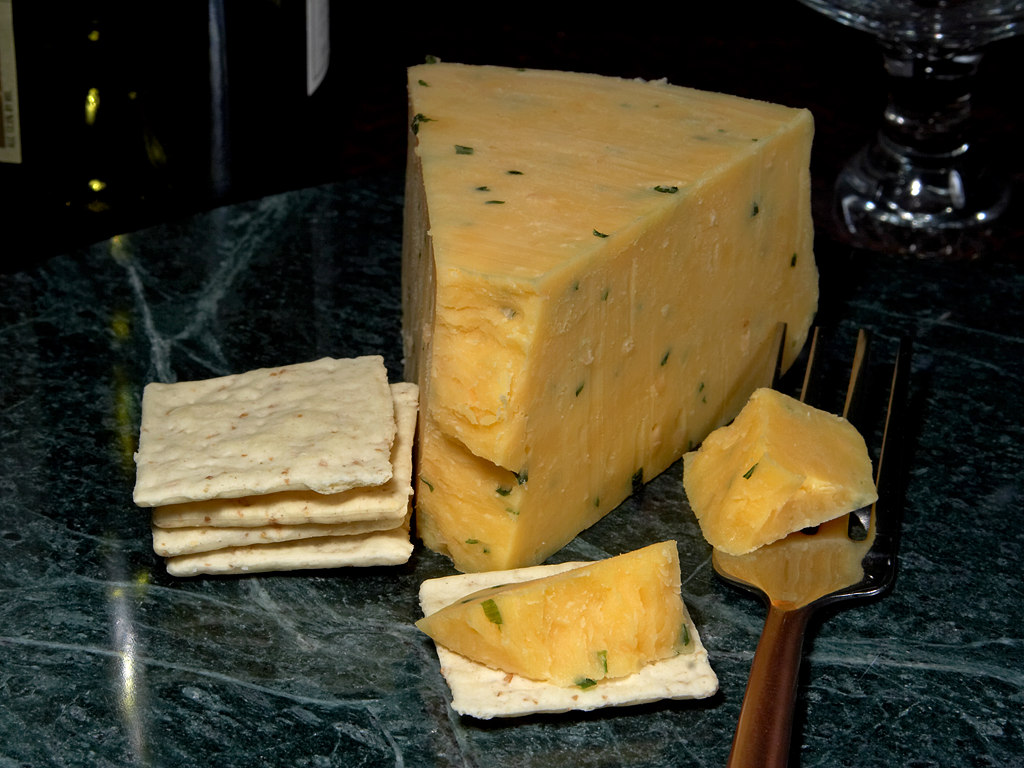 🇬🇧 United KingdomDouble Gloucester
A semi-hard cow's-milk cheese from England with a savoury flavour and natural rind.Cow · Semi-hard · Savoury and brothy
🇬🇧 United KingdomDouble Gloucester
A semi-hard cow's-milk cheese from England with a savoury flavour and natural rind.Cow · Semi-hard · Savoury and brothy
 🇬🇧 United KingdomLancashire cheese
A cow's-milk cheese from England with creamy, nutty, or crumbly varieties.Cow · Semi-hard · Nutty
🇬🇧 United KingdomLancashire cheese
A cow's-milk cheese from England with creamy, nutty, or crumbly varieties.Cow · Semi-hard · Nutty
 🇬🇧 United KingdomCornish Yarg
A semi-hard cow's milk cheese from Cornwall wrapped in nettle leaves.Cow · Semi-hard · Tangy and lactic
🇬🇧 United KingdomCornish Yarg
A semi-hard cow's milk cheese from Cornwall wrapped in nettle leaves.Cow · Semi-hard · Tangy and lactic
Its cousins elsewhere
All semi-hard cheeses 🇦🇲 ArmeniaMotalմոթալ
A soft, brined Armenian cheese aged in leather bags with wild thyme.Sheep · Brined · Milky and fresh
🇦🇲 ArmeniaMotalմոթալ
A soft, brined Armenian cheese aged in leather bags with wild thyme.Sheep · Brined · Milky and fresh
 🇮🇳 IndiaKalimpong cheese
A mild, crumbly cow's-milk cheese from a West Bengal hill station, started by a Jesuit priest.Cow · Semi-hard · Tangy and lactic
🇺🇸 United StatesBig Woods Blue
A firm, creamy sheep's-milk blue cheese aged six to eight months in Minnesota.Sheep · Semi-hard · Savoury and brothy
🇦🇺 AustraliaCheer
A mature cheddar cheese made in Australia by Warrnambool Cheese and Butter.Cow · Semi-hard · Sharp and tangy-aged
🇮🇳 IndiaKalimpong cheese
A mild, crumbly cow's-milk cheese from a West Bengal hill station, started by a Jesuit priest.Cow · Semi-hard · Tangy and lactic
🇺🇸 United StatesBig Woods Blue
A firm, creamy sheep's-milk blue cheese aged six to eight months in Minnesota.Sheep · Semi-hard · Savoury and brothy
🇦🇺 AustraliaCheer
A mature cheddar cheese made in Australia by Warrnambool Cheese and Butter.Cow · Semi-hard · Sharp and tangy-aged