Cheer
A mature cheddar cheese made in Australia by Warrnambool Cheese and Butter.
Cheer is a cheddar-style cheese produced in Victoria, Australia. It was formerly known as Coon and Red Coon. The cheese is made from cow's milk and has a robust, mature flavour. It is eaten as a snack or on a board.
- Formerly named Coon until 2021
- Made in Allansford, Victoria
- Matured using high heat and humidity
- Owned by Saputo Inc.
- Rebranded due to racial slur concerns
What is Cheer?
Cheer is an Australian cheddar cheese made by Warrnambool Cheese and Butter in Allansford, Victoria. The company is owned by Saputo Inc. This semi-hard cheese comes from cow's milk. It has a firm texture and a yellow paste. The name Cheer is stylised in all caps. Before July 2021, it was called Coon. Earlier versions were known as Red Coon. The original packaging used red wax, which left a red stripe on the current logo. The cheese is described as having a smooth consistency and a mellow taste.
Where does Cheer come from?
The cheese began as Red Coon around 1931. Kraft Walker Cheese Co. launched it. They claimed a secret maturation method gave it a distinctive flavour. The brand was rebranded to Coon in 1959. In 2021, Saputo changed the name to Cheer. This followed controversy over the previous name. The old name was considered a racial slur. Activists campaigned for decades to change it. The new name reflects principles of respect and non-discrimination.
What does Cheer taste like?
The cheese offers a robust and savoury profile. It is described as having a smooth consistency. The taste is mature and mellow. Advertisements from the 1960s suggested it appealed to active men. The flavour develops through a long ageing process. High temperature and humidity speed up maturation. The result is a sharp cheddar suitable for everyday eating.
How Cheer is made
Warrnambool Cheese and Butter produces the cheese at its Allansford plant. The milk is set using animal rennet. The curds are cooked and pressed into wheels. The cheese is then aged for about two years. The maturation uses high heat and humidity. This method was patented by Edward Coon in 1926. The process allows the cheese to last longer when stored. The factory also makes processed cheese products.
Cheer, drawn
How Cheer is eaten and cooked
People eat Cheer cheese as a daily snack. It is also served on cheese boards. The firm texture makes it easy to slice. It pairs well with crackers or bread. Some consumers grate it over dishes. The cheese can be eaten cold or at room temperature. Its robust flavour stands up to strong accompaniments like pickles or fruit.
Cheer through the day
This cheese fits into daily meals in Australia. It is common for lunchboxes or afternoon tea. Families enjoy it as a quick snack. It works well on a dinner board with wine. Children often include it in packed lunches. The versatile nature of the cheese suits many occasions.
Cheer in the world's kitchens
Cheer is a staple of Australian cuisine. It is widely available across the country. The cheese reflects local dairy farming traditions. Victorian producers have mastered cheddar making. The brand has been part of Australian households for nearly a century. It represents a familiar taste for many locals.
At a glance: where it turns up
Faith and ritual
There are no specific religious ties to this cheese. It is not associated with any faith rituals. The product is secular and commercial. Anyone can purchase and consume it. It does not follow kosher or halal guidelines specifically.
Cheer at celebrations
The cheese is not linked to specific festivals. It is an everyday food item. People do not reserve it for special holidays. It is consumed regularly throughout the year. The rebranding to Cheer marked a corporate milestone rather than a cultural celebration.
Custom and folk tradition
The history involves industrial cheesemaking. Edward Coon's patent influenced production methods. The name change addresses social concerns. Activists highlighted the offensive nature of the old name. The shift to Cheer shows corporate responsiveness. The red wax packaging is a nostalgic tradition for older consumers.
Buying, keeping and serving Cheer
Keep the cheese wrapped in wax paper. Store it in the refrigerator. Consume it within a few weeks of opening. The mature cheese keeps well if sealed properly. Avoid freezing as it changes the texture.
What to use instead of Cheer
Other mature cheddars work as replacements. Any Australian cheddar will suffice. English or American cheddar can stand in. Look for a firm, yellow cheese. Ensure it has a sharp flavour profile.
Protection and trade
Saputo Inc. owns the majority of Warrnambool Cheese and Butter. The brand was previously held by Kraft Foods. Lion Dairy & Drinks also operated it. The company faces financial challenges in some regions. Factory closures have occurred due to milk supply issues. The trademark remains protected in multiple countries.
Questions people ask about Cheer
What is Cheer cheese?
Cheer is an Australian cheddar cheese made by Warrnambool Cheese and Butter. It was previously known as Coon and Red Coon. The cheese is matured for two years using high temperature and humidity. It has a firm texture and a sharp, savoury flavour.
Where does Cheer cheese come from?
It is produced in Allansford, Victoria, Australia. The factory is owned by Warrnambool Cheese and Butter. This company is majority-owned by the Canadian firm Saputo Inc. The cheese has been made in Australia since the 1930s.
Why was the name changed from Coon to Cheer?
The name Coon was considered a racial slur against Indigenous Australians. Activists campaigned for decades to change it. Saputo Inc. announced the rebranding in 2021 to promote respect and non-discrimination. The new name Cheer reflects these values.
What milk is used to make Cheer cheese?
Cheer cheese is made from cow's milk. It is a cheddar-style cheese. The milk is pasteurised before being turned into cheese. This ensures safety and extends shelf life.
How does Cheer cheese taste?
It has a robust and sharp flavour. The texture is smooth and firm. The cheese is matured for about two years. This gives it a distinctively mellow taste compared to young cheddar.
Good reading and sources
- Australia’s Coon cheese to change name in effort to help ‘eliminate racismThe Guardian, Article
- Coon Cheese rebrands in Australia after anti-racism campaignBBC, Article
The facts on this page come from the Wikipedia article "Cheer cheese", written by its contributors and used under the CC BY-SA 4.0 licence, and from its Wikidata record (CC0). EveryCheese rewrote the text in its own words, with AI assistance, and compares every page with the article to make sure no passage is copied. It may be reused under the same CC BY-SA 4.0 licence with a link back.
It may contain mistakes. Recipes, ageing and customs differ from one dairy, valley or kitchen to the next. Folk beliefs are described as tradition, never as advice. If something is wrong, tell us. Last refreshed 2026-10-15.
More from Australia
All the cheeses of Australia 🇺🇸 United States and 5 moreSwiss cheese
A yellow, medium-hard cheese with characteristic holes, produced globally in various styles.Cow · Semi-hard · Nutty
🇺🇸 United States and 5 moreSwiss cheese
A yellow, medium-hard cheese with characteristic holes, produced globally in various styles.Cow · Semi-hard · Nutty
 🇬🇷 Greece and 5 moreFetaφέτα
A crumbly Greek brined cheese made from sheep and goat milk.Sheep · Brined · Tangy and lactic
🇬🇷 Greece and 5 moreFetaφέτα
A crumbly Greek brined cheese made from sheep and goat milk.Sheep · Brined · Tangy and lactic
 🇫🇷 France and 3 moreBrie
A soft, pale French cow's-milk cheese with a white mould rind, aged for about five weeks.Cow · Bloomy rind · Nutty
🇫🇷 France and 3 moreBrie
A soft, pale French cow's-milk cheese with a white mould rind, aged for about five weeks.Cow · Bloomy rind · Nutty
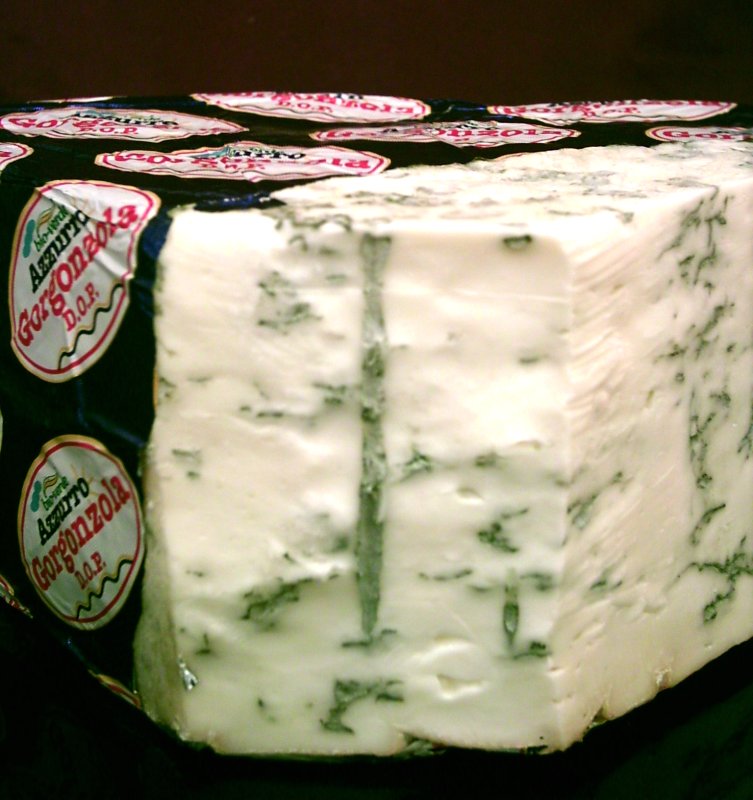 🇮🇹 Italy and 2 moreGorgonzola
A creamy Italian blue cheese from Lombardy with two distinct styles.Cow · Bloomy rind · Salty
🇮🇹 Italy and 2 moreGorgonzola
A creamy Italian blue cheese from Lombardy with two distinct styles.Cow · Bloomy rind · Salty
Its cousins elsewhere
All semi-hard cheeses 🇨🇭 Switzerland and 1 moreSbrinz
A very hard, full-fat cow's-milk cheese from Central Switzerland aged for over two years.Cow · Hard · Savoury and brothy
🇨🇭 Switzerland and 1 moreSbrinz
A very hard, full-fat cow's-milk cheese from Central Switzerland aged for over two years.Cow · Hard · Savoury and brothy
 🇪🇸 SpainCabralesqueso de Cabrales
A pungent blue cheese from the Picos de Europa mountains of Asturias, Spain.Mixed · Blue · Sharp and tangy-aged
🇪🇸 SpainCabralesqueso de Cabrales
A pungent blue cheese from the Picos de Europa mountains of Asturias, Spain.Mixed · Blue · Sharp and tangy-aged
 🇫🇷 FranceBleu des CaussesBlau dels Causses
A raw cow's milk blue cheese aged in the limestone caves of southern France.Cow · Blue · Savoury and brothy
🇫🇷 FranceBleu des CaussesBlau dels Causses
A raw cow's milk blue cheese aged in the limestone caves of southern France.Cow · Blue · Savoury and brothy
 🇬🇧 United KingdomShropshire Blue
A pasteurised cow's milk blue cheese with an orange rind and sharp flavour.Cow · Blue · Sharp and tangy-aged
🇬🇧 United KingdomShropshire Blue
A pasteurised cow's milk blue cheese with an orange rind and sharp flavour.Cow · Blue · Sharp and tangy-aged