
Robiola
A soft-ripened Italian cheese from Piedmont and Lombardy, made from cow, goat, or sheep milk.
Robiola is a family of soft cheeses from northern Italy. It uses cow, goat, or sheep milk, sometimes blended. The taste ranges from sweet to tangy, and it is often eaten plain or with honey.
- Soft-ripened cheese from the stracchino family.
- Made from cow, goat, or sheep milk blends.
- Ages for zero to twenty days.
- Protected name: Robiola di Roccaverano (PDO).
- Often eaten with honey.
What is Robiola?
This cheese belongs to the stracchino group. It is a soft ripened product from Italy. Makers use cow, goat, or sheep milk, often in a mix. The texture is yielding. Some versions have no rind, while others show a bloomy white or pink surface. The paste can be cream-colored or straw-yellow. A high fat content gives some varieties a smooth feel. The flavor profile shifts by region, offering notes that are sweet, tangy, or mildly sour. The rind on certain types adds a subtle crunch without ammonia.
Where does Robiola come from?
The name likely comes from the town of Robbio in Pavia, or the word rubeole meaning ruddy, referring to the rind color. Production spans Piedmont provinces like Cuneo, Asti, and Alessandria, extending into Lombardy. It is also a specialty of the Aosta Valley. Historical links suggest origins with Celto-Ligurian farmers in Alta Langa. Pliny the Elder praised cheese from Ceva, but this link is speculative. A fifteenth-century text by Pantaleone da Confienza explicitly describes making and praising this cheese.
What does Robiola taste like?
Taste depends heavily on the specific variety and location. Robiola di Roccaverano offers a sweet, yielding experience with a straw-yellow hue. The Lombardia type features a tangy, full flavor with mild sourness, likely due to its fifty-two percent fat content. Its rind is mild and crunchy. La Tur presents a tangy-lactic layer under a cake-like rind. The overall sensory profile balances creaminess with distinct acidity or sweetness depending on the milk blend.
How Robiola is made
Fresh curds are ladled into molds for the Piedmont style. They drain under their own weight rather than being pressed with heavy weights. Aging lasts from zero to twenty days. Some varieties remain fresh, while others develop a soft rind. The milk sources vary, allowing for different fat levels and textures. Protection rules apply to specific names like Roccaverano, ensuring traditional methods are followed for those protected designations.
Robiola, drawn
How Robiola is eaten and cooked
People usually eat this cheese on its own as a snack. It is also served on a board. A common pairing involves adding a little honey to enhance the sweetness. The creamy texture makes it suitable for spreading. Because it is soft, it does not grate well. It is best enjoyed fresh to appreciate the delicate flavors and yielding mouthfeel provided by the short aging period.
Robiola through the day
It fits well as a snack or part of a cheese board. The mild nature suits casual eating. Honey pairings suggest a dessert-like quality for some varieties. It is not typically used for cooking or melting due to its soft structure. Breakfast or lunch applications are possible, but it shines as a standalone treat or accompaniment to bread and fruit.
Robiola in the world's kitchens
Italian cuisine embraces robiola across several northern regions. Piedmont produces many variations, including the protected Roccaverano type. Lombardy contributes rolls with milky-white to pink rinds. The Aosta Valley also claims it as a local specialty. Each area adjusts the milk ratios and aging to create distinct profiles within the same broad family. The cheese reflects the pastoral traditions of these mountainous and hilly zones.
At a glance: where it turns up
By meal and use
Cuisines

Faith and ritual
The cheese has historical roots in farming communities, but no monastic or ritualistic practices are described. It remains a secular food item tied to regional identity rather than faith.
Robiola at celebrations
No specific festivals or holidays are linked to this cheese. It is a daily staple in its home regions rather than a ceremonial item. The production supports local agricultural cycles, but no special occasions are highlighted.
Custom and folk tradition
The cheese connects to ancient farming practices in the Alps and Apennines. References to Celto-Ligurian farmers suggest deep roots. The name might honor a specific town or describe the rind's color. Traditional makers rely on natural drainage rather than mechanical pressing. This method preserves the fresh character of the curds. Local lore values the cheese for its versatility and mild taste.
Buying, keeping and serving Robiola
Sources do not provide specific storage instructions. As a soft cheese with short aging, it should be kept cool and consumed quickly to maintain freshness. Refrigeration is implied for preservation.
What to use instead of Robiola
No substitutes are mentioned. Consumers seeking similar textures might look for other soft Italian cheeses, but robiola's specific milk blends and regional styles make it unique.
Protection and trade
Robiola di Roccaverano holds DOC and PDO status. This protection ensures only cheese from that area using traditional methods can carry the name. Other varieties lack such formal designation. Production remains regional, focusing on local markets and culinary traditions. The cheese is not widely exported in large quantities.
Questions people ask about Robiola
What kind of milk is used to make robiola?
Makers use cow, goat, or sheep milk, often blending them in varying proportions to achieve different textures and flavors.
Where does robiola come from?
It originates in northern Italy, specifically in the regions of Piedmont, Lombardy, and the Aosta Valley.
How does robiola taste?
The flavor ranges from sweet to tangy and mildly sour, depending on the milk blend and the specific regional variety produced.
Is robiola aged for a long time?
No, it is a soft cheese aged for a very short period, typically ranging from zero to twenty days before consumption.
Good reading and sources
- Robiola on WikipediaEncyclopedia
- More photos on Wikimedia CommonsPhotos and video
- Wikidata recordOpen data
The facts on this page come from the Wikipedia article "Robiola", written by its contributors and used under the CC BY-SA 4.0 licence, and from its Wikidata record (CC0). EveryCheese rewrote the text in its own words, with AI assistance, and compares every page with the article to make sure no passage is copied. It may be reused under the same CC BY-SA 4.0 licence with a link back.
It may contain mistakes. Recipes, ageing and customs differ from one dairy, valley or kitchen to the next. Folk beliefs are described as tradition, never as advice. If something is wrong, tell us. Last refreshed 2026-10-15.
More from Italy
All the cheeses of Italy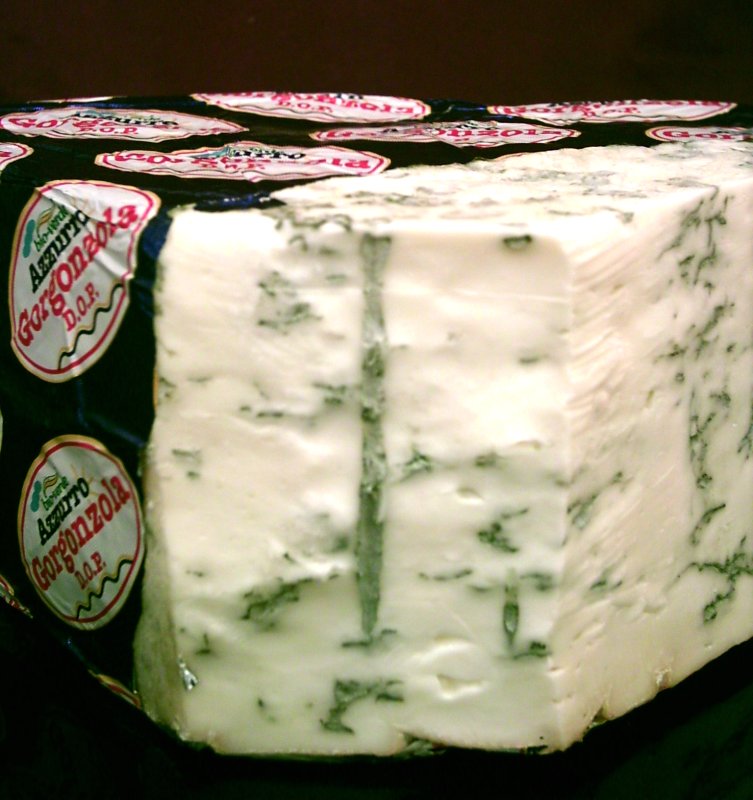 🇮🇹 Italy and 2 moreGorgonzola
A creamy Italian blue cheese from Lombardy with two distinct styles.Cow · Bloomy rind · Salty
🇮🇹 Italy and 2 moreGorgonzola
A creamy Italian blue cheese from Lombardy with two distinct styles.Cow · Bloomy rind · Salty
 🇫🇷 France and 1 moreReblochon
A soft washed-rind cow's milk cheese from the French Alps with a nutty flavour.Cow · Bloomy rind · Nutty
🇫🇷 France and 1 moreReblochon
A soft washed-rind cow's milk cheese from the French Alps with a nutty flavour.Cow · Bloomy rind · Nutty
 🇮🇹 ItalyToma
A soft to semi-hard Italian cow's milk cheese prized for melting.Cow · Bloomy rind
🇮🇹 ItalyToma
A soft to semi-hard Italian cow's milk cheese prized for melting.Cow · Bloomy rind
 🇮🇹 ItalyCaciotta
A mild Italian cheese made from cow, sheep, goat, or buffalo milk.Cow · Bloomy rind · Milky and fresh
🇮🇹 ItalyCaciotta
A mild Italian cheese made from cow, sheep, goat, or buffalo milk.Cow · Bloomy rind · Milky and fresh
Its cousins elsewhere
All bloomy rind cheeses 🇮🇳 IndiaKalimpong cheese
A mild, crumbly cow's-milk cheese from a West Bengal hill station, started by a Jesuit priest.Cow · Semi-hard · Tangy and lactic
🇮🇳 IndiaKalimpong cheese
A mild, crumbly cow's-milk cheese from a West Bengal hill station, started by a Jesuit priest.Cow · Semi-hard · Tangy and lactic
 🇮🇳 IndiaKalari
A semi-soft cow or buffalo milk cheese from Jammu and Kashmir, dried and sautéed until gooey.Cow · Semi-soft · Savoury and brothy
🇺🇸 United StatesCold-pack cheese
A chilled blend of natural cheeses mixed with flavorings without cooking.Mixed · Bloomy rind · Savoury and brothy
🇨🇳 ChinaKefir cheese
A tangy, creamy cheese set using kefir culture rather than rennet or acid.Mixed · Fresh · Tangy and lactic
🇮🇳 IndiaKalari
A semi-soft cow or buffalo milk cheese from Jammu and Kashmir, dried and sautéed until gooey.Cow · Semi-soft · Savoury and brothy
🇺🇸 United StatesCold-pack cheese
A chilled blend of natural cheeses mixed with flavorings without cooking.Mixed · Bloomy rind · Savoury and brothy
🇨🇳 ChinaKefir cheese
A tangy, creamy cheese set using kefir culture rather than rennet or acid.Mixed · Fresh · Tangy and lactic