
Caciotta
A mild Italian cheese made from cow, sheep, goat, or buffalo milk.
Caciotta is a family of cheeses from Italy. The name comes from the Tuscan word cacciola. It uses milk from cows, sheep, goats, or water buffalo. The wheels are small and cylindrical. They have a soft texture and a mild taste.
- Name derives from Tuscan word cacciola
- Made from cow, sheep, goat, or buffalo milk
- Cylindrical shape up to 1 kg weight
- Soft yellow rind with white or yellowish paste
- Mild flavor with soft texture
What is Caciotta?
Caciotta refers to a group of Italian cheeses rather than a single product. The term likely derives from the Tuscan dialect word cacciola. These cheeses appear as small cylinders weighing up to one kilogram. A soft yellow rind covers the interior paste. Inside, the body ranges from white to yellowish in color. The texture remains soft throughout. The flavor profile is notably mild and gentle on the palate. Both small artisanal producers and larger industrial factories create this cheese across the country.
Where does Caciotta come from?
This cheese originates in Italy. Its name traces back to the Tuscan region. The word cacciola suggests local linguistic roots in Tuscany. No specific town claims exclusive ownership. Instead, it represents a broad category of traditional dairy products found throughout the nation.
What does Caciotta taste like?
The taste is defined by its mildness. It lacks strong pungency or sharp notes. The aroma reflects the fresh milk used in production. Texture plays a key role in the experience. The soft consistency allows it to yield easily. As the brief ripening period passes, the flavors remain subtle. It does not develop complex earthy or nutty tones typical of aged cheeses.
How Caciotta is made
Producers use milk from cows, sheep, goats, or water buffalo. The mixture is processed into cylindrical wheels. Each wheel typically weighs no more than one kilogram. The curds are formed and pressed into shape. A short ripening period follows the initial formation. This brief aging keeps the texture soft. The rind develops a characteristic soft yellow hue. Production methods vary between handcrafted artisans and large-scale industrial facilities.
Caciotta, drawn
How Caciotta is eaten and cooked
Caciotta serves well as a standalone snack. Its mild nature makes it approachable for casual eating. It fits comfortably on a cheese board alongside other varieties. The soft texture allows it to be sliced easily. It does not require grating or melting for primary consumption. Simple pairings with bread or fruit complement its gentle flavor profile without overwhelming it.
Caciotta through the day
This cheese suits light meals and snacks. It works well as an afternoon bite. It also appears on dinner tables as part of a cheese course. Its versatility allows it to accompany various settings. It is not typically reserved for heavy breakfasts or elaborate feasts. Instead, it fits into daily grazing or relaxed social gatherings.
Caciotta in the world's kitchens
Italian cuisine embraces caciotta as a common dairy item. The variety of milks used reflects regional availability. Tuscan traditions influence the naming and style. Other Italian regions may produce similar variations under the same name. The cheese integrates into everyday Italian food culture rather than specific ceremonial dishes.
At a glance: where it turns up
By meal and use
Cuisines
Faith and ritual
No specific religious associations are documented for this cheese. It is not tied to monastic production or specific faith-based rituals. It remains a secular food item within Italian culinary practices.
Caciotta at celebrations
There are no recorded festivals or holiday traditions specifically dedicated to caciotta. It is not linked to weddings, new year celebrations, or seasonal pasture events. It functions as a regular food product rather than a celebratory specialty.
Custom and folk tradition
The name cacciola hints at historical Tuscan linguistic roots. However, detailed folklore or herding legends surrounding this specific cheese type are not recorded. It represents a general tradition of Italian cheese making rather than a unique cultural artifact with distinct lore.
Buying, keeping and serving Caciotta
General advice for soft cheeses would apply, but no specific instructions are available.
What to use instead of Caciotta
Due to the wide variation in milks used, finding an exact equivalent depends on the specific variant consumed.
Protection and trade
Production occurs through both artisanal and industrial channels. There are no protected designation statuses mentioned for the general term caciotta. Multiple variations exist, leading to over a dozen different types. Export data and specific maker names are not detailed in the available information.
Questions people ask about Caciotta
What kind of milk is used to make Caciotta?
Caciotta is produced using milk from cows, sheep, goats, or water buffalo. The specific milk varies depending on the region and producer in Italy.
Where does Caciotta come from?
Caciotta originates in Italy. The name is linked to the Tuscan dialect word cacciola, indicating its roots in that specific region.
What does Caciotta taste like?
It has a mild flavor profile. The taste is gentle and not sharp, reflecting its soft texture and brief ripening period.
How big are Caciotta wheels?
The cheeses are cylindrical in shape. They typically weigh up to one kilogram, which is approximately 2.2 pounds.
Good reading and sources
- Caciotta on WikipediaEncyclopedia
- More photos on Wikimedia CommonsPhotos and video
- Wikidata recordOpen data
The facts on this page come from the Wikipedia article "Caciotta", written by its contributors and used under the CC BY-SA 4.0 licence, and from its Wikidata record (CC0). EveryCheese rewrote the text in its own words, with AI assistance, and compares every page with the article to make sure no passage is copied. It may be reused under the same CC BY-SA 4.0 licence with a link back.
It may contain mistakes. Recipes, ageing and customs differ from one dairy, valley or kitchen to the next. Folk beliefs are described as tradition, never as advice. If something is wrong, tell us. Last refreshed 2026-10-15.
More from Italy
All the cheeses of Italy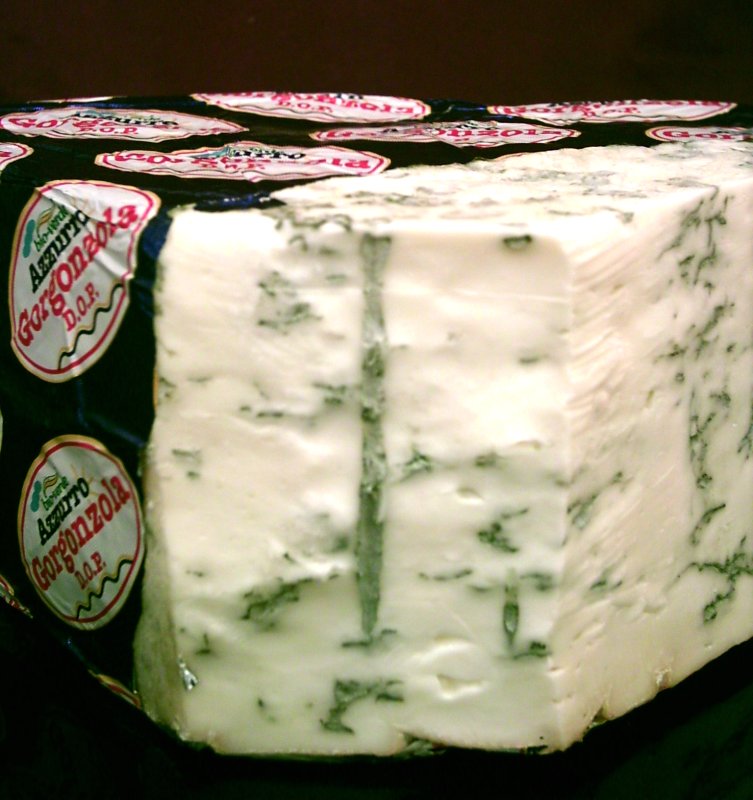 🇮🇹 Italy and 2 moreGorgonzola
A creamy Italian blue cheese from Lombardy with two distinct styles.Cow · Bloomy rind · Salty
🇮🇹 Italy and 2 moreGorgonzola
A creamy Italian blue cheese from Lombardy with two distinct styles.Cow · Bloomy rind · Salty
 🇫🇷 France and 1 moreReblochon
A soft washed-rind cow's milk cheese from the French Alps with a nutty flavour.Cow · Bloomy rind · Nutty
🇫🇷 France and 1 moreReblochon
A soft washed-rind cow's milk cheese from the French Alps with a nutty flavour.Cow · Bloomy rind · Nutty
 🇮🇹 ItalyToma
A soft to semi-hard Italian cow's milk cheese prized for melting.Cow · Bloomy rind
🇮🇹 ItalyToma
A soft to semi-hard Italian cow's milk cheese prized for melting.Cow · Bloomy rind
 🇮🇹 ItalyRobiola
A soft-ripened Italian cheese from Piedmont and Lombardy, made from cow, goat, or sheep milk.Cow · Bloomy rind · Sweet and caramel
🇮🇹 ItalyRobiola
A soft-ripened Italian cheese from Piedmont and Lombardy, made from cow, goat, or sheep milk.Cow · Bloomy rind · Sweet and caramel
Its cousins elsewhere
All bloomy rind cheeses 🇲🇽 MexicoPanela cheeseQueso panela
A fresh, white Mexican cow's-milk cheese that holds its shape when fried.Cow · Fresh · Milky and fresh
🇲🇽 MexicoPanela cheeseQueso panela
A fresh, white Mexican cow's-milk cheese that holds its shape when fried.Cow · Fresh · Milky and fresh