
Toma
A soft to semi-hard Italian cow's milk cheese prized for melting.
Toma is a versatile Italian cheese made from cow's milk. It originates mainly in the Aosta Valley and Piedmont regions. The cheese offers excellent melting properties and varies by locale.
- Made from cow's milk in Italy.
- Excellent melting qualities for cooking.
- PDO status for the Piedmont variety.
- Related to French tomme cheese.
- Fat content ranges from 45% to 52%.
What is Toma?
Toma presents as a soft or semi-hard wheel crafted entirely from cow's milk. Its texture allows it to melt smoothly when heated, making it a favorite for cooked dishes. The cheese changes character depending on where it is produced within Italy. While generally consistent in its milky base, local variations create distinct profiles across different valleys.
Where does Toma come from?
This cheese hails from northern Italy, with strong ties to the Aosta Valley and Piedmont areas. It shares close roots with the French tomme variety. Production extends southward to Basilicata, though it remains less common there. The Toma Piemontese holds official protected status, while others like Toma di Gressoney are recognized as traditional products.
What does Toma taste like?
Specific flavor notes are not detailed in the provided records. The cheese is defined more by its functional quality than a specific taste profile. Its primary characteristic is how it behaves under heat rather than a unique aroma or sharpness. The fat content ranges between forty-five and fifty-two percent, influencing its richness.
How Toma is made
The production process utilizes whole cow's milk. Local artisans shape the curds into wheels that develop a soft or semi-firm body over time. Regional methods dictate slight differences in aging and salting. In Gressoney Valley, the cheese follows traditional agro-alimentary protocols. These methods preserve the local heritage and ensure consistency across small-scale dairy operations.
Toma, drawn
How Toma is eaten and cooked
Cooking is the primary application for this cheese due to its superior melting ability. It works well in gratins, baked pasta dishes, and hot sandwiches. The smooth texture ensures even distribution when melted. It is rarely served raw on a board compared to other aged varieties. Its versatility makes it suitable for everyday home cooking.
Toma through the day
Toma fits best into lunch or dinner settings where warmth is desired. It serves as a comforting component in hearty meals. The cheese is not typically associated with breakfast or dessert courses. Its melting nature aligns it with savory main dishes rather than light snacks or sweet endings.
Toma in the world's kitchens
Italian cuisine embraces Toma as a regional staple. The Aosta Valley and Piedmont regions claim it as a local specialty. Southern producers in Basilicata also contribute to its availability. The cheese reflects the pastoral traditions of these mountainous areas. It bridges the gap between rustic farm produce and refined culinary use.
At a glance: where it turns up
By meal and use
Cuisines

Faith and ritual
No religious associations or ritual uses are recorded for this cheese. It does not hold specific significance in fasting periods or monastic diets. The production remains a secular agricultural activity focused on local sustenance and trade.
Toma at celebrations
There are no specific festivals or holiday tables explicitly linked to Toma consumption. It is treated as an everyday food item rather than a ceremonial offering. Local markets may feature it during general harvest seasons, but no dedicated celebrations exist.
Custom and folk tradition
The cheese represents the herding life of the Alpine valleys. Farmers have produced similar styles for generations, adapting to local conditions. The recognition of Toma di Gressoney in the Ark of Taste highlights efforts to preserve these old ways. It stands as a testament to rural Italian dairy practices.
Buying, keeping and serving Toma
Consumers should consult local vendors for handling advice. General refrigeration likely applies, but specific guidelines are absent.
What to use instead of Toma
The French tomme is noted as a close relative and potential substitute. Other soft Italian cow's milk cheeses might work in a pinch. However, the specific melting qualities of Toma make it difficult to replace exactly without losing texture.
Protection and trade
Protected Designation of Origin status applies to the Piedmont variety. This guarantees authenticity and origin for consumers. Other versions carry Traditional Agro-Alimentary Product recognition. This label protects regional recipes from imitation. Export figures are not available, but domestic demand remains steady.
Questions people ask about Toma
What kind of milk is used to make Toma?
Toma is made exclusively from cow's milk. This gives it a creamy texture that melts smoothly when heated, distinguishing it from sheep or goat milk cheeses.
Where does Toma cheese come from?
It originates in Italy, primarily in the Aosta Valley and Piedmont regions. Some production also occurs in Basilicata in the south, though it is less common there.
Is Toma good for melting?
Yes, Toma is noted for its excellent melting qualities. It becomes smooth and fluid when heated, making it ideal for baked dishes, gratins, and hot sandwiches.
Does Toma have any protected status?
The Toma Piemontese variety has Protected Designation of Origin (PDO) status. Other types, like Toma di Gressoney, are recognized as Traditional Agro-Alimentary Products (PAT).
Good reading and sources
- Toma cheese on WikipediaEncyclopedia
- More photos on Wikimedia CommonsPhotos and video
- Wikidata recordOpen data
The facts on this page come from the Wikipedia article "Toma cheese", written by its contributors and used under the CC BY-SA 4.0 licence, and from its Wikidata record (CC0). EveryCheese rewrote the text in its own words, with AI assistance, and compares every page with the article to make sure no passage is copied. It may be reused under the same CC BY-SA 4.0 licence with a link back.
It may contain mistakes. Recipes, ageing and customs differ from one dairy, valley or kitchen to the next. Folk beliefs are described as tradition, never as advice. If something is wrong, tell us. Last refreshed 2026-10-15.
More from Italy
All the cheeses of Italy 🇮🇹 Italy and 1 moreMozzarella
A semi-soft Italian stretched-curd cheese made from cow or buffalo milk.Cow · Semi-soft · Milky and fresh
🇮🇹 Italy and 1 moreMozzarella
A semi-soft Italian stretched-curd cheese made from cow or buffalo milk.Cow · Semi-soft · Milky and fresh
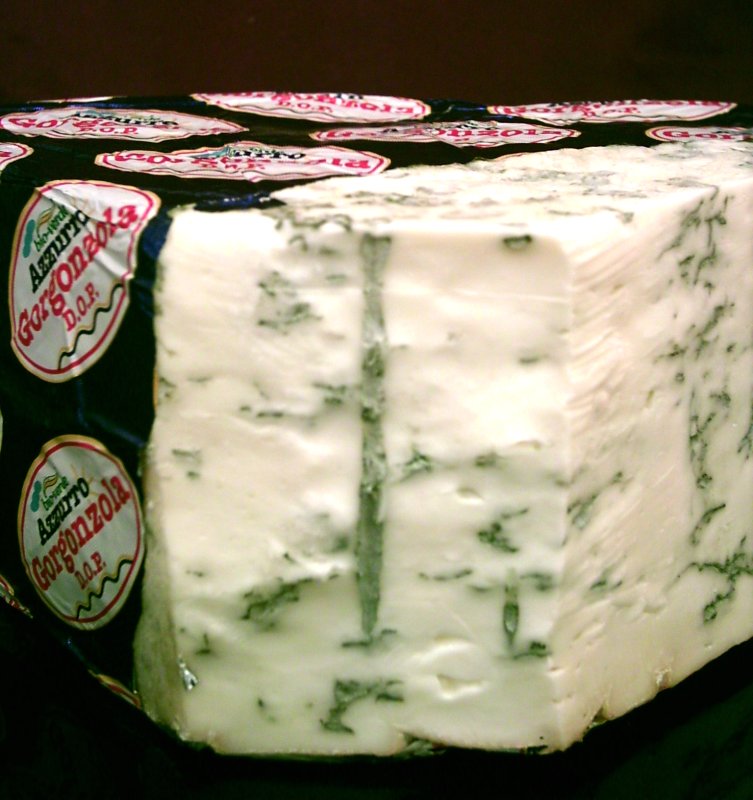 🇮🇹 Italy and 2 moreGorgonzola
A creamy Italian blue cheese from Lombardy with two distinct styles.Cow · Bloomy rind · Salty
🇮🇹 Italy and 2 moreGorgonzola
A creamy Italian blue cheese from Lombardy with two distinct styles.Cow · Bloomy rind · Salty
 🇫🇷 France and 2 moreBlue cheese
A family of cheeses defined by blue-green mold veins created through deliberate inoculation and piercing.Cow · Semi-soft · Sharp and tangy-aged
🇫🇷 France and 2 moreBlue cheese
A family of cheeses defined by blue-green mold veins created through deliberate inoculation and piercing.Cow · Semi-soft · Sharp and tangy-aged
 🇫🇷 France and 1 moreReblochon
A soft washed-rind cow's milk cheese from the French Alps with a nutty flavour.Cow · Bloomy rind · Nutty
🇫🇷 France and 1 moreReblochon
A soft washed-rind cow's milk cheese from the French Alps with a nutty flavour.Cow · Bloomy rind · Nutty
Its cousins elsewhere
All bloomy rind cheeses 🇮🇳 IndiaKalari
A semi-soft cow or buffalo milk cheese from Jammu and Kashmir, dried and sautéed until gooey.Cow · Semi-soft · Savoury and brothy
🇺🇸 United StatesD'Isigny
A soft American cheese modeled on French Brie and Camembert styles.Cow · Bloomy rind · Milky and fresh
🇮🇳 IndiaKalari
A semi-soft cow or buffalo milk cheese from Jammu and Kashmir, dried and sautéed until gooey.Cow · Semi-soft · Savoury and brothy
🇺🇸 United StatesD'Isigny
A soft American cheese modeled on French Brie and Camembert styles.Cow · Bloomy rind · Milky and fresh
 🇾🇪 YemenYemeni cheeseجبنة تعز
A smoked semi-hard sheep or goat milk cheese from Taiz Governorate in Yemen.Sheep · Semi-soft · Savoury and brothy
🇾🇪 YemenYemeni cheeseجبنة تعز
A smoked semi-hard sheep or goat milk cheese from Taiz Governorate in Yemen.Sheep · Semi-soft · Savoury and brothy