Dragon's Breath Blue
A soft, wax-coated blue cheese from Nova Scotia with a pungent aroma and briny liquid.
Dragon's Breath Blue is a regional cow's milk cheese from Nova Scotia, Canada. It features a black wax casing and ranges from creamy to hard in texture. The cheese has a strong, pungent taste and often releases a briny liquid.
- Produced by the van den Hoek family in Upper Economy, Nova Scotia.
- Awarded Best Blue Cheese in Canada in April 2016.
- Coated in a distinctive black wax casing.
- Texture ranges from soft and creamy to hard and buttery.
- Often contains a flavor-rich briny liquid inside.
What is Dragon's Breath Blue?
This cheese comes from Nova Scotia, Canada. It is made from cow's milk. The wheel is covered in a black wax casing. Inside, the texture varies. Some parts are soft and creamy. Other parts become hard and buttery. The cheese often produces a briny liquid inside the package. This liquid adds a rich saltiness. The aroma is strong and noticeable. The taste is described as pungent and intense. It is a surface-ripened blue cheese. The rind is smooth due to the wax coating. The paste shows the characteristic veins of blue mould. The contrast between the creamy and hard textures makes it unique. It is a regional specialty found in local markets.
Where does Dragon's Breath Blue come from?
The cheese originates in Upper Economy, Nova Scotia. It is produced by the van den Hoek family. They operate their dairy at That Dutchman's Farm. The farm is located in the Canadian province of Nova Scotia. The cheese gained recognition early in its history. In April 2016, it won an award. Judges named it the Best Blue Cheese in Canada. This accolade highlights its quality among Canadian producers. The van den Hoek family continues to make it using traditional methods suited to the region.
What does Dragon's Breath Blue taste like?
The taste is defined by its pungency. It offers a strong, sharp flavor profile. The briny liquid inside enhances the saltiness. This liquid creates a rich, savory experience. The aroma is equally potent and distinct. As the cheese ages, the texture shifts. It can range from soft creaminess to a firm bite. The blue mould contributes to the depth of flavor. The combination of pungent notes and salty brine makes it memorable. It is not a mild cheese. The intensity appeals to those who enjoy bold flavors.
How Dragon's Breath Blue is made
The van den Hoek family produces this cheese. They use cow's milk from their farm. The process involves creating a blue cheese. The curds are formed into wheels. These wheels are then coated in black wax. The wax seals the cheese and protects it during ripening. The cheese undergoes surface ripening. This allows the blue mould to develop properly. The aging process changes the internal texture. Some areas remain soft and creamy. Others become harder and more buttery. The production takes place at That Dutchman's Farm in Upper Economy.
Dragon's Breath Blue, drawn
How Dragon's Breath Blue is eaten and cooked
This cheese is best served on a board. It pairs well with crackers or bread. The pungent flavor stands out on its own. It can be eaten as a snack. The briny liquid adds moisture to each bite. Some people enjoy melting it slightly. However, its strong flavor makes it better for direct consumption. It complements dark beers or robust wines. The wax casing must be removed before eating. The cheese is versatile enough for casual gatherings. Its unique texture adds interest to any plate.
Dragon's Breath Blue through the day
It fits well on a cheese board. It serves as a standalone snack. The strong flavor makes it suitable for dinner parties. It is not typically used for breakfast. The briny nature might be too intense for morning meals. It works well as an appetizer. Guests often appreciate its bold character. The cheese is easy to slice and serve. It requires no cooking to be enjoyed. Its versatility makes it a popular choice for social events.
Dragon's Breath Blue in the world's kitchens
It is a staple in Canadian cuisine. Specifically, it represents Nova Scotian dairy products. The van den Hoek family brings a Dutch influence to the farm. This heritage may shape some production techniques. Canadian consumers appreciate regional specialties like this. The cheese reflects local agricultural traditions. It is celebrated within Canada for its quality. International audiences may discover it through awards. The flavor profile suits modern palates seeking intensity.
At a glance: where it turns up
By meal and use
Cuisines
Faith and ritual
There are no specific religious associations mentioned. The cheese is not tied to any faith tradition. It is produced for general consumption. No kosher or halal certifications are noted. The farming practices are secular. The focus is on culinary excellence rather than ritual. The award-winning status highlights its gastronomic merit. It does not play a role in religious ceremonies.
Dragon's Breath Blue at celebrations
The cheese was celebrated when it won an award. In April 2016, it received the title of Best Blue Cheese in Canada. This recognition is a point of pride for the producer. It marks a significant achievement in its history. The award celebrates its quality and flavor. There are no specific festivals associated with it. The victory itself serves as a milestone for the farm.
Custom and folk tradition
The van den Hoek family maintains a long-standing presence in Upper Economy. Their farm, That Dutchman's Farm, is a local landmark. The production of Dragon's Breath Blue supports the regional economy. It showcases the skill of local cheesemakers. The black wax coating is a distinctive feature. This method preserves the cheese effectively. The community values the cheese as a regional gem. Its success encourages other local producers.
Buying, keeping and serving Dragon's Breath Blue
Keep the cheese in the refrigerator. The black wax casing helps preserve freshness. Remove the wax before serving. Store it in a cool, humid environment. The briny liquid indicates proper moisture levels. Do not freeze the cheese. It may alter the texture significantly. Consume it within a reasonable time after opening. The strong aroma will persist even after cutting.
What to use instead of Dragon's Breath Blue
No direct substitutes are mentioned. Its unique combination of wax coating and briny liquid is rare. Other blue cheeses may lack the creamy-to-hard texture shift. Gorgonzola or Roquefort might offer similar pungency. However, they do not replicate the specific mouthfeel. The black wax casing is also distinctive. Cooks looking for a bold blue cheese should seek regional options.
Protection and trade
The cheese is sold in Canada. It is available through local distributors. The van den Hoek family controls production. The 2016 award boosted its reputation. This recognition likely increased demand. The cheese remains a regional specialty. It is not widely exported internationally. Production volumes are likely small-scale. The focus is on quality over quantity. The brand is closely tied to the farm.
Questions people ask about Dragon's Breath Blue
Where is Dragon's Breath Blue made?
It is made in Upper Economy, Nova Scotia, Canada. The van den Hoek family produces it at That Dutchman's Farm.
What kind of milk is used?
It is made exclusively from cow's milk. This gives it a rich, creamy base typical of many Canadian cheeses.
What does it taste like?
It has a strong, pungent taste. The briny liquid inside adds a salty, savory depth to the flavor profile.
Is it a hard or soft cheese?
It has a variable texture. Parts can be soft and creamy, while others become hard and buttery as it ripens.
Why is it wrapped in black wax?
The black wax casing protects the cheese during ripening. It helps maintain moisture and prevents the mold from drying out.
Good reading and sources
The facts on this page come from the Wikipedia article "Dragon's Breath Blue", written by its contributors and used under the CC BY-SA 4.0 licence, and from its Wikidata record (CC0). EveryCheese rewrote the text in its own words, with AI assistance, and compares every page with the article to make sure no passage is copied. It may be reused under the same CC BY-SA 4.0 licence with a link back.
It may contain mistakes. Recipes, ageing and customs differ from one dairy, valley or kitchen to the next. Folk beliefs are described as tradition, never as advice. If something is wrong, tell us. Last refreshed 2026-10-15.
More from Canada
All the cheeses of Canada 🇨🇦 CanadaLe Pied de Vent
A soft raw cow's milk cheese from Quebec's Magdalen Islands, aged for sixty days.Cow · Bloomy rind · Milky and fresh
🇨🇦 CanadaLe Pied de Vent
A soft raw cow's milk cheese from Quebec's Magdalen Islands, aged for sixty days.Cow · Bloomy rind · Milky and fresh
 🇨🇦 CanadaLe Riopelle de l'Isle
A soft triple-cream cow's milk cheese from Isle-aux-Grues in Quebec.Cow · Bloomy rind · Buttery and creamy
🇨🇦 CanadaLe Riopelle de l'Isle
A soft triple-cream cow's milk cheese from Isle-aux-Grues in Quebec.Cow · Bloomy rind · Buttery and creamy
 🇺🇸 United States and 2 moreCottage cheese
A fresh, unaged curd cheese made from skimmed milk and dressed with cream.Cow · Fresh · Tangy and lactic
🇺🇸 United States and 2 moreCottage cheese
A fresh, unaged curd cheese made from skimmed milk and dressed with cream.Cow · Fresh · Tangy and lactic
 🇺🇸 United States and 3 moreCream cheese
A soft, unripened cow's-milk cheese made with added cream and eaten fresh.Cow · Fresh · Buttery and creamy
🇺🇸 United States and 3 moreCream cheese
A soft, unripened cow's-milk cheese made with added cream and eaten fresh.Cow · Fresh · Buttery and creamy
Its cousins elsewhere
All bloomy rind cheeses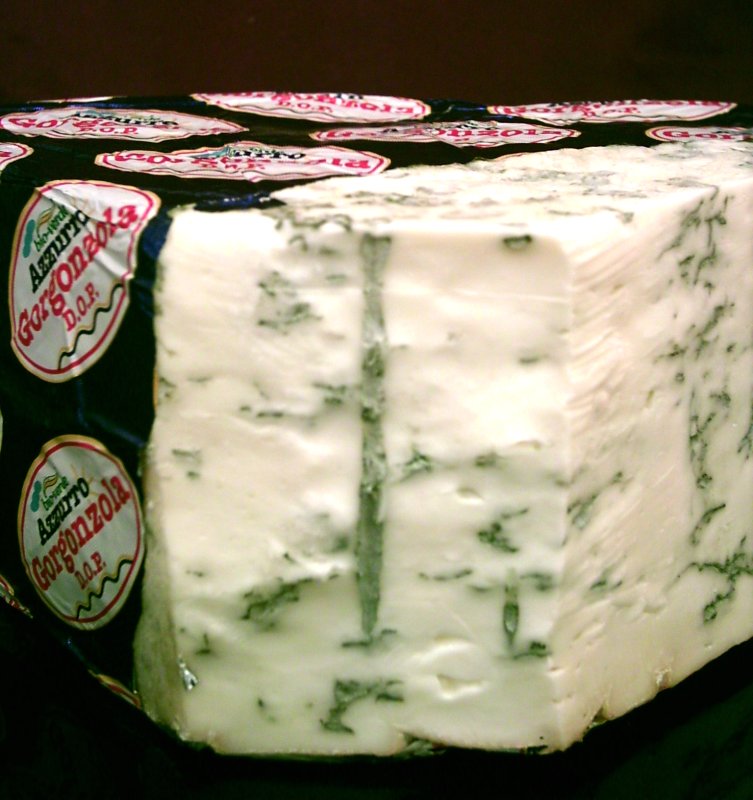 🇮🇹 Italy and 2 moreGorgonzola
A creamy Italian blue cheese from Lombardy with two distinct styles.Cow · Bloomy rind · Salty
🇮🇹 Italy and 2 moreGorgonzola
A creamy Italian blue cheese from Lombardy with two distinct styles.Cow · Bloomy rind · Salty
 🇪🇬 EgyptMishمش (meš)
A fermented Egyptian salty cheese aged in buttermilk brine until sharp and pungent.Mixed · Bloomy rind · Salty
🇪🇬 EgyptMishمش (meš)
A fermented Egyptian salty cheese aged in buttermilk brine until sharp and pungent.Mixed · Bloomy rind · Salty
 🇩🇪 Germany and 2 moreWeisslackerWeißlacker
A pungent German cow's-milk cheese aged seven months with a whitewashed rind.Cow · Semi-soft · Pungent and funky
🇩🇪 Germany and 2 moreWeisslackerWeißlacker
A pungent German cow's-milk cheese aged seven months with a whitewashed rind.Cow · Semi-soft · Pungent and funky
 🇪🇬 Egypt and 1 moreRumiجبنة رومى
A hard, salty Egyptian cow or buffalo milk cheese with a pungent aroma.Cow · Hard · Salty
🇪🇬 Egypt and 1 moreRumiجبنة رومى
A hard, salty Egyptian cow or buffalo milk cheese with a pungent aroma.Cow · Hard · Salty