
Rumi
In its own language: جبنة رومى
A hard, salty Egyptian cow or buffalo milk cheese with a pungent aroma.
Rumi is a traditional hard cheese from Egypt, produced from cow or buffalo milk. It features a crumbly texture and a sharp, salty taste that intensifies as it ages. The cheese is typically sold in large discs or vacuum-packed slices.
- Rumi is a hard, crumbly cheese from Egypt.
- Made from cow or buffalo milk without starter cultures.
- Has a pungent smell and sharp, salty flavor.
- Sold in ten-kilogram discs or vacuum-packed slices.
- Known as Ras cheese in the United Arab Emirates.
What is Rumi?
Rumi stands as one of the primary cheeses found throughout Egypt. This variety is classified as a hard cheese, characterized by a firm and crumbly consistency. It is crafted using either cow's milk or buffalo milk, retaining the full cream content for a rich result. The final product often takes the form of ten-kilogram discs or pre-sliced vacuum packs. While its name suggests a Roman origin, the cheese is distinctly Egyptian. It possesses a strong, noticeable scent and offers a flavor profile that ranges from moderately salty to quite sharp depending on how long it has matured.
Where does Rumi come from?
The name Rumi translates to 'Roman,' which might suggest foreign roots. However, this cheese is firmly rooted in Egypt. It serves as a staple within the local dairy landscape. In neighboring regions like the United Arab Emirates, it is sometimes referred to as Ras cheese. Despite the historical naming convention, production and consumption remain centered in Egypt, where it holds a significant place among everyday dairy products.
What does Rumi taste like?
The sensory experience of Rumi is defined by its intensity. A pungent aroma hits the nose upon opening. The taste is notably salty, with the level of salinity increasing as the cheese gets older. After maturing for three to four months, the texture becomes open and crumbly. This aging process also develops a sharp, distinct flavor. Some producers add peppercorns to introduce a spicy note, while others rely solely on the natural tang of the aged milk.
How Rumi is made
Artisans make Rumi without using commercial starter cultures. They rely on natural coagulation methods to set the milk. Full-cream cow or buffalo milk forms the base. Occasionally, peppercorns are mixed into the curd for extra flavor. The mixture is then pressed into shapes, typically resulting in large ten-kilogram wheels. These wheels are left to mature for several months. During this time, the moisture evaporates, and the flavors concentrate, leading to the final hard and crumbly texture.
Rumi, drawn
How Rumi is eaten and cooked
This cheese is versatile enough for various simple preparations. It is commonly served on cheese boards alongside other local accompaniments. Due to its hardness, it can be sliced thinly for snacking. It is also enjoyed as part of daily meals in Egyptian households. The vacuum-sealed slices make it convenient for quick consumption. Its strong flavor means it pairs well with breads and flatbreads, cutting through the starchiness of the meal.
Rumi through the day
Rumi fits comfortably into daily eating routines across Egypt. It is a common sight on breakfast tables, often paired with fresh bread. It also serves as a standalone snack or a component of a light lunch. For dinner, it might appear on a board or be grated over dishes. Its durability makes it suitable for storage and later consumption, fitting well into the rhythm of everyday life rather than special festive occasions.
Rumi in the world's kitchens
In Egyptian cuisine, Rumi is a fundamental ingredient. It appears in homes and markets alike, reflecting local tastes for salty, aged dairy. In the United Arab Emirates, it is known as Ras cheese and enjoys similar popularity. The preparation styles remain consistent, focusing on the natural qualities of the milk. Whether eaten plain or with bread, it represents a shared culinary heritage across these North African and Middle Eastern regions.
At a glance: where it turns up

Faith and ritual
There are no specific religious rituals or dietary laws tied directly to the production of Rumi cheese. It does not hold a special place in monastic traditions or fasting periods. The cheese is secular in nature, produced for general consumption. While some dairy products have religious significance, Rumi is viewed primarily as a food item rather than a ceremonial object.
Rumi at celebrations
Rumi is not typically associated with weddings, festivals, or holiday feasts. It is an everyday cheese, consumed regularly rather than reserved for special events. Its role is practical and nutritional, providing sustenance during daily life. Unlike cheeses made for seasonal pastures or new year celebrations, Rumi is available and eaten year-round as a staple.
Custom and folk tradition
The tradition of making Rumi reflects the long history of dairy farming in Egypt. Herders and farmers have utilized both cow and buffalo milk for generations. The method of avoiding starter cultures preserves a traditional approach to cheesemaking. The name itself, despite its confusing meaning, highlights the local identity of the product. It remains a symbol of Egyptian culinary independence.
Buying, keeping and serving Rumi
To maintain quality, Rumi should be kept in a cool, dry place. Vacuum-packed slices offer convenience and longer shelf life. Discs should be wrapped to prevent drying out further. Once opened, it is best consumed within a reasonable timeframe to enjoy the optimal texture. Refrigeration helps preserve the pungent flavors and prevents spoilage.
What to use instead of Rumi
When Rumi is unavailable, other hard, salty cheeses may serve as substitutes. Pecorino Romano or Manchego share some textural similarities, though their flavors differ. Dried goat cheeses can also mimic the crumbly nature of Rumi. However, none perfectly replicate the unique pungency and saltiness of the original Egyptian variety.
Protection and trade
Rumi is widely produced and traded within Egypt. It is a commercial product available in supermarkets and local markets. Export to countries like the United Arab Emirates occurs under the name Ras cheese. Production figures are not publicly detailed, but its status as a main cheese type indicates significant volume. The lack of protected designation status allows for flexible production methods.
Questions people ask about Rumi
What kind of milk is used to make Rumi cheese?
Rumi is traditionally made from either cow's milk or buffalo milk. Producers may use full-cream milk to ensure a rich texture and flavor. Sometimes peppercorns are added for extra spice.
Where does Rumi cheese originate?
Despite its name suggesting Roman roots, Rumi cheese originates from Egypt. It is a staple dairy product there and is also known as Ras cheese in the United Arab Emirates.
How would you describe the taste of Rumi?
Rumi has a pungent aroma and a sharp, salty taste. The saltiness increases as the cheese ages. After three to four months, it develops an open, crumbly texture.
Is Rumi cheese suitable for vegetarians?
The sources do not specify if animal rennet is used. Traditional production avoids starter cultures, but the coagulation method is not fully detailed regarding vegetarian standards.
Good reading and sources
The facts on this page come from the Wikipedia article "Rumi cheese", written by its contributors and used under the CC BY-SA 4.0 licence, and from its Wikidata record (CC0). EveryCheese rewrote the text in its own words, with AI assistance, and compares every page with the article to make sure no passage is copied. It may be reused under the same CC BY-SA 4.0 licence with a link back.
It may contain mistakes. Recipes, ageing and customs differ from one dairy, valley or kitchen to the next. Folk beliefs are described as tradition, never as advice. If something is wrong, tell us. Last refreshed 2026-10-15.
More from Egypt
All the cheeses of Egypt 🇪🇬 EgyptMishمش (meš)
A fermented Egyptian salty cheese aged in buttermilk brine until sharp and pungent.Mixed · Bloomy rind · Salty
🇪🇬 EgyptAreeshجبنة قريش
A soft, crumbly Egyptian cheese made from skimmed buffalo or cow milk.Buffalo · Fresh · Tangy and lactic
🇪🇬 EgyptMishمش (meš)
A fermented Egyptian salty cheese aged in buttermilk brine until sharp and pungent.Mixed · Bloomy rind · Salty
🇪🇬 EgyptAreeshجبنة قريش
A soft, crumbly Egyptian cheese made from skimmed buffalo or cow milk.Buffalo · Fresh · Tangy and lactic
 🇸🇾 Syria and 5 moreAkkawiجبنة عكاوي
A white brined cow's milk cheese from the Levant named after Acre.Cow · Brined · Salty
🇸🇾 Syria and 5 moreAkkawiجبنة عكاوي
A white brined cow's milk cheese from the Levant named after Acre.Cow · Brined · Salty
 🇪🇬 Egypt and 1 moreDomiatiجبنه دمياطى
A soft, salty Egyptian white cheese salted before coagulation.Buffalo · Bloomy rind · Salty
🇪🇬 Egypt and 1 moreDomiatiجبنه دمياطى
A soft, salty Egyptian white cheese salted before coagulation.Buffalo · Bloomy rind · Salty
Its cousins elsewhere
All hard cheeses 🇮🇹 Italy and 3 moreParmesanParmigiano Reggiano
A hard, granular cow's-milk cheese aged at least a year in northern Italy.Cow · Hard · Sharp and tangy-aged
🇮🇹 Italy and 3 moreParmesanParmigiano Reggiano
A hard, granular cow's-milk cheese aged at least a year in northern Italy.Cow · Hard · Sharp and tangy-aged
 🇬🇷 Greece and 5 moreFetaφέτα
A crumbly Greek brined cheese made from sheep and goat milk.Sheep · Brined · Tangy and lactic
🇬🇷 Greece and 5 moreFetaφέτα
A crumbly Greek brined cheese made from sheep and goat milk.Sheep · Brined · Tangy and lactic
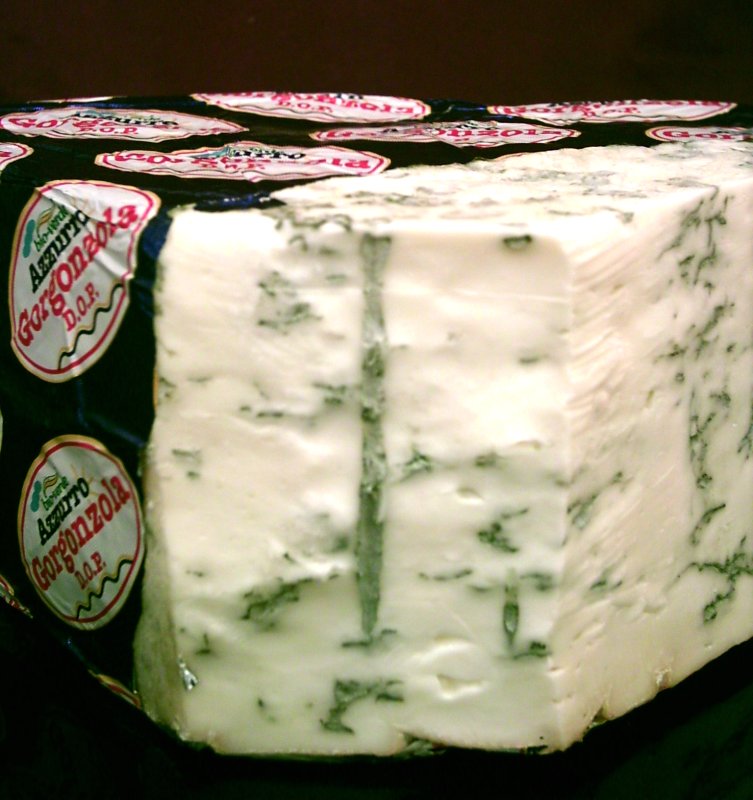 🇮🇹 Italy and 2 moreGorgonzola
A creamy Italian blue cheese from Lombardy with two distinct styles.Cow · Bloomy rind · Salty
🇮🇹 Italy and 2 moreGorgonzola
A creamy Italian blue cheese from Lombardy with two distinct styles.Cow · Bloomy rind · Salty
 🇫🇷 FranceRoquefortRòcafòrt
A raw sheep's milk blue cheese aged in the Combalou caves of southern France.Sheep · Semi-hard · Tangy and lactic
🇫🇷 FranceRoquefortRòcafòrt
A raw sheep's milk blue cheese aged in the Combalou caves of southern France.Sheep · Semi-hard · Tangy and lactic