
Le Riopelle de l'Isle
A soft triple-cream cow's milk cheese from Isle-aux-Grues in Quebec.
This triple-cream cheese comes from the island of Isle-aux-Grues in Quebec. It features a smooth texture that melts easily and offers buttery flavors with hints of hazelnut and mushroom.
- Triple-cream cheese from Isle-aux-Grues, Quebec.
- Named after painter Jean-Paul Riopelle.
- $1 per wheel supports local student education.
- Soft texture with buttery and mushroom notes.
- Ages for 60 days on the island.
What is Le Riopelle de l'Isle?
Le Riopelle de l'Isle is a soft cheese made from unpasteurized cow's milk. It belongs to the triple-cream category, meaning it contains at least 75% fat relative to its dry matter. The wheel weighs about 1.4 kilograms. It has a bloomy white rind that gives way to a creamy interior. The paste is oily and flows slightly when cut. It melts quickly on the tongue. The flavor is smooth and rich. You can taste butter as the main note. Subtle hints of hazelnut appear alongside earthy mushroom tones. This cheese is designed for immediate enjoyment rather than long storage.
Where does Le Riopelle de l'Isle come from?
The cheese originates from the Chaudière-Appalaches region in Quebec, Canada. Specifically, it is produced on the small island of Isle-aux-Grues. The name honors Jean-Paul Riopelle, a famous Québécois painter. His artistic legacy connects directly to the product's identity. The label itself displays a reproduction of one of his paintings. This design choice reflects the local cultural pride. The production stays within this specific island community. It represents a modern addition to Quebec's dairy landscape. The cheese bridges art and agriculture in a unique way.
What does Le Riopelle de l'Isle taste like?
The taste profile centers on a luxurious butteriness. The high fat content creates a silky mouthfeel. As the cheese warms, the texture becomes even more fluid. Nutty undertones provide a gentle contrast to the richness. These notes resemble roasted hazelnuts. Earthy mushroom flavors add depth to the palate. The combination feels balanced rather than heavy. There are no sharp or pungent edges. The experience remains mild and approachable. The aroma mirrors these soft, creamy characteristics without being overpowering.
How Le Riopelle de l'Isle is made
Artisans use raw cow's milk to create this cheese. They follow traditional methods for soft-ripened varieties. The curd is handled gently to preserve moisture. Humidity levels remain around fifty percent during processing. The wheels are formed to weigh approximately 1.4 kilograms. A bloomy rind develops naturally over time. Aging lasts for sixty days before release. This period allows the paste to soften fully. The manufacturer operates a small facility on the island. Careful temperature control ensures consistent quality throughout the ripening phase.
Le Riopelle de l'Isle, drawn
How Le Riopelle de l'Isle is eaten and cooked
This cheese works well as a standalone snack. Its soft texture makes it ideal for spreading on bread. It pairs nicely with fresh fruits or crackers. Serve it on a cheese board with other accompaniments. The melting quality suits warm applications. Try it grilled on toast or in light sauces. It adds richness to simple dishes without dominating them. The buttery notes complement savory ingredients well. Hazelnut hints enhance nut-based desserts or salads. Enjoy it chilled for the best textural experience.
Le Riopelle de l'Isle through the day
Le Riopelle de l'Isle fits comfortably into casual dining. It serves as an excellent afternoon snack. Guests often enjoy it during social gatherings. Place it on a dinner table as part of a selection. It does not typically anchor a full meal. Instead, it complements lighter lunches or early dinners. The cheese shines when served simply. Let guests appreciate its natural flavors. It brings a touch of elegance to everyday eating occasions.
Le Riopelle de l'Isle in the world's kitchens
Québécois cuisine embraces this modern dairy creation. It reflects contemporary trends in regional food production. The cheese highlights local agricultural resources. Consumers in Canada recognize its distinctive origin. The island setting influences its artisanal appeal. International audiences may seek it out for its unique story. The connection to fine art attracts curious eaters. It represents a fusion of culinary skill and cultural heritage. Local markets feature it prominently alongside traditional products.
At a glance: where it turns up
By meal and use
Cuisines
Faith and ritual
No religious rituals surround this cheese. It lacks ties to monastic traditions or fasting rules. The product focuses on secular artistic appreciation. Donations support education rather than spiritual causes. The foundation helps children access higher learning opportunities. This charitable aspect aligns with community values. It promotes social mobility through financial aid. The cheese acts as a vehicle for philanthropy. Buyers contribute indirectly to educational initiatives. The link between art and charity defines its purpose.
Le Riopelle de l'Isle at celebrations
Festivals do not specifically feature this cheese. It is not tied to weddings or holidays. The product supports general educational goals year-round. Sales generate funds continuously for students. The initiative benefits the island community regularly. There are no special ceremonial uses. The cheese functions as a standard retail item. Its value lies in supporting local youth. The artist's name lends prestige to ordinary purchases. Consumers feel they participate in a meaningful cause.
Custom and folk tradition
Local lore celebrates the painter Jean-Paul Riopelle. His work inspires pride among island residents. The cheese embodies this artistic spirit. Residents view it as a cultural export. The production method respects island constraints. Small-scale farming defines the local economy. Visitors appreciate the handmade quality. The label design reinforces local identity. Art lovers connect with the maker's vision. The cheese stands as a testament to creative collaboration.
Buying, keeping and serving Le Riopelle de l'Isle
Keep the cheese refrigerated until ready to serve. Wrap it loosely to allow the rind to breathe. Consume it shortly after opening for peak freshness. The soft texture changes if stored too long. Bring it to room temperature before eating. This step enhances the flavor and aroma. Avoid freezing as it damages the creamy consistency. Use clean utensils to prevent mold growth. Enjoy it while the paste remains supple.
What to use instead of Le Riopelle de l'Isle
Other triple-cream cheeses offer similar experiences. Brie or Camembert provide comparable textures. Look for soft French varieties with bloomy rinds. These alternatives share the buttery profile. However, none match the specific island origin. The artistic connection remains unique to this product. If unavailable, choose another premium soft cheese. Focus on high-fat content for richness. The mushroom notes may vary in substitutes.
Protection and trade
The Fromagerie de l'Île-aux-Grues produces this cheese. Each sale contributes one dollar to a student fund. This model supports higher education for island youth. The 1.4-kilogram wheel size suits individual households. Production remains limited to the island location. No protected status exists for the name currently. The brand relies on direct sales and local distribution. Export markets exist but remain niche. The charitable angle drives consumer interest.
Questions people ask about Le Riopelle de l'Isle
Where does Le Riopelle de l'Isle come from?
It is produced on the island of Isle-aux-Grues in Quebec, Canada. The small facility maintains traditional methods while honoring local artistic heritage.
What kind of milk is used to make this cheese?
It is made from unpasteurized cow's milk. The high fat content classifies it as a triple-cream variety.
How would you describe the taste of this cheese?
It tastes smooth and buttery. You will detect subtle hints of hazelnut and earthy mushrooms in the finish.
Why is it called Le Riopelle de l'Isle?
The name honors Jean-Paul Riopelle, a famous Québécois painter. The label features his artwork, connecting the cheese to local culture.
Good reading and sources
- Le Riopelle de l'Isle on WikipediaEncyclopedia
- More photos on Wikimedia CommonsPhotos and video
- Wikidata recordOpen data
The facts on this page come from the Wikipedia article "Le Riopelle de l'Isle", written by its contributors and used under the CC BY-SA 4.0 licence, and from its Wikidata record (CC0). EveryCheese rewrote the text in its own words, with AI assistance, and compares every page with the article to make sure no passage is copied. It may be reused under the same CC BY-SA 4.0 licence with a link back.
It may contain mistakes. Recipes, ageing and customs differ from one dairy, valley or kitchen to the next. Folk beliefs are described as tradition, never as advice. If something is wrong, tell us. Last refreshed 2026-10-15.
More from Canada
All the cheeses of Canada 🇨🇦 CanadaLe Pied de Vent
A soft raw cow's milk cheese from Quebec's Magdalen Islands, aged for sixty days.Cow · Bloomy rind · Milky and fresh
🇨🇦 CanadaDragon's Breath Blue
A soft, wax-coated blue cheese from Nova Scotia with a pungent aroma and briny liquid.Cow · Bloomy rind · Pungent and funky
🇨🇦 CanadaLe Pied de Vent
A soft raw cow's milk cheese from Quebec's Magdalen Islands, aged for sixty days.Cow · Bloomy rind · Milky and fresh
🇨🇦 CanadaDragon's Breath Blue
A soft, wax-coated blue cheese from Nova Scotia with a pungent aroma and briny liquid.Cow · Bloomy rind · Pungent and funky
 🇺🇸 United States and 2 moreCottage cheese
A fresh, unaged curd cheese made from skimmed milk and dressed with cream.Cow · Fresh · Tangy and lactic
🇺🇸 United States and 2 moreCottage cheese
A fresh, unaged curd cheese made from skimmed milk and dressed with cream.Cow · Fresh · Tangy and lactic
 🇺🇸 United States and 3 moreCream cheese
A soft, unripened cow's-milk cheese made with added cream and eaten fresh.Cow · Fresh · Buttery and creamy
🇺🇸 United States and 3 moreCream cheese
A soft, unripened cow's-milk cheese made with added cream and eaten fresh.Cow · Fresh · Buttery and creamy
Its cousins elsewhere
All bloomy rind cheeses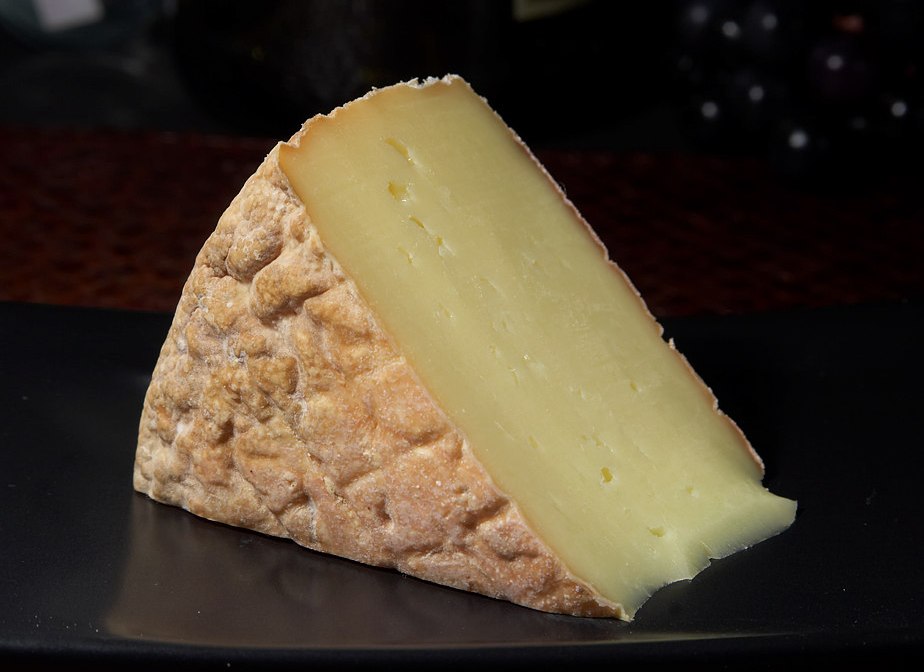 🇮🇪 IrelandGubbeen
A washed-rind semi-soft cow's milk cheese from County Cork, Ireland.Cow · Semi-soft · Mushroomy
🇮🇪 IrelandGubbeen
A washed-rind semi-soft cow's milk cheese from County Cork, Ireland.Cow · Semi-soft · Mushroomy
 🇮🇹 ItalyPecorino
A family of Italian hard sheep's-milk cheeses with protected status.Sheep · Hard · Buttery and creamy
🇮🇹 ItalyPecorino
A family of Italian hard sheep's-milk cheeses with protected status.Sheep · Hard · Buttery and creamy
 🇮🇹 Italy and 4 moreFontinafontine
A semi-soft cow's milk cheese from Italy's Aosta Valley, known for its nutty flavor and excellent melting quality.Cow · Semi-soft · Nutty
🇮🇹 Italy and 4 moreFontinafontine
A semi-soft cow's milk cheese from Italy's Aosta Valley, known for its nutty flavor and excellent melting quality.Cow · Semi-soft · Nutty