🇺🇸 The cheeses of the United States
49 cheeses from the United States, best known first, across 28 towns, markets and caves.
United States dairy traditions blend European techniques with local farming to create a wide range of styles. From mild semi-soft wheels to sharp aged blocks and creamy fresh curds, American cheese covers everyday cooking and specialty tables alike. The industry relies heavily on large commercial operations alongside independent creameries that experiment with regional milks and aging caves.
- Wisconsin and California supply nearly half of all U.S. cheese.
- The legal term American cheese describes a processed blend of colby and cheddar.
- Many European styles like brie and gouda are produced domestically.
- New York and Vermont hold strong reputations for aged and goat milk wheels.
- Cottage cheese uses skimmed milk and keeps a loose, soupy texture.
Cheese in the United States
American cheese making draws heavily from European settlers who brought familiar recipes to new soil. Over time, local conditions shaped distinct textures and flavors suited to continental climates. Many producers still craft classic varieties like cheddar and brie using domestic milk, while others develop unique profiles tailored to local palates. The approach favors versatility, balancing mass production with small batch experimentation. Neighboring Canada shares similar dairy practices, though American makers often emphasize sharper aging and broader flavor ranges. Commercial lines prioritize consistent melting and slicing properties, whereas farmstead operations focus on seasonal milk shifts and traditional curd handling. This dual path keeps the category both familiar and constantly evolving.
The cheeses
Notable varieties include Monterey Jack and its spiced pepper jack cousin, both known for smooth texture and gentle heat. Brick cheese offers a washed rind and mild aroma, while Colby provides a slightly drier crumb. Sharp aged cheddars like Cougar Gold stand alongside fresh options such as farmer cheese and soupy cottage curds. Processed blends like pimento cheese and provel cater to quick meals and melted applications. Artisan labels produce Humboldt Fog with its ash line, Red Hawk with a brine washed surface, and Maytag Blue for those who prefer bold veining. Each style serves different kitchen roles, from sandwich layers to baking bases.
Milk, making and ageing
Most production starts with cow milk, though some creameries use goat milk for smaller batches. Curds, the solid milk parts, are cut, heated, and pressed into molds before entering drying rooms or aging cellars. Some wheels receive salt baths to encourage protective rind growth, while others stay dry for longer maturation. Fresh styles skip aging entirely and pack quickly for market. Processed versions melt raw curds together with emulsifiers to create uniform slices and spreads. Large facilities run continuous vats, while independent makers adjust temperatures and turning schedules by hand. Seasonal milk fat changes often guide when to shift from mild to sharp profiles.
Regions and communities
Dairy output clusters in four main states, with Wisconsin and California supplying nearly half of national production. These areas combine large herd operations with specialized aging warehouses. New York and Vermont maintain stronger reputations for farmhouse cheddar and goat milk wheels. Coastal creameries in California often experiment with Mediterranean inspired washes and ash coatings. Mountain valleys in the east favor cooler cellars that slow moisture loss and deepen flavor. Local markets dictate whether makers lean toward mild melting blocks or intensely aged cutting wheels. Trade routes and climate patterns continue to shape where each style thrives.
Dishes, breads and sweets
Cooks rely on these varieties for quick heating and layering tasks. Melting focused wheels form the base for hot sandwiches and baked pasta dishes. Spiced jack and smoked muenster add depth to casseroles and stuffed vegetables. Spreadable blends mix with vegetables or meats to fill crackers or roll into chilled bites. Processed slices melt evenly over flatbreads and roasted potatoes. Fresh curds appear in breakfast plates and light salads where their mild tang balances heavier ingredients. The goal remains practical warmth and consistent texture rather than complex pairing schemes.
Today
Commercial plants dominate volume, yet independent creameries continue to expand their offerings. Legal definitions reserve the standard name for blended processed products, leaving room for distinct artisan labels to claim unique identities. State agricultural programs support local distribution networks and direct sales at farm stands. Export activity remains modest compared to domestic consumption, with most wheels staying within national borders. Small producers adapt quickly to changing diner preferences, shifting between traditional formats and modern flavor experiments.
The facts in this overview come from the Wikipedia article "List of American cheeses", written by its contributors and used under the CC BY-SA 4.0 licence. EveryCheese rewrote the text in its own words, with AI assistance, and compares every page with the article to make sure no passage is copied. It may be reused under the same CC BY-SA 4.0 licence with a link back.
Cheese towns and markets of the United States
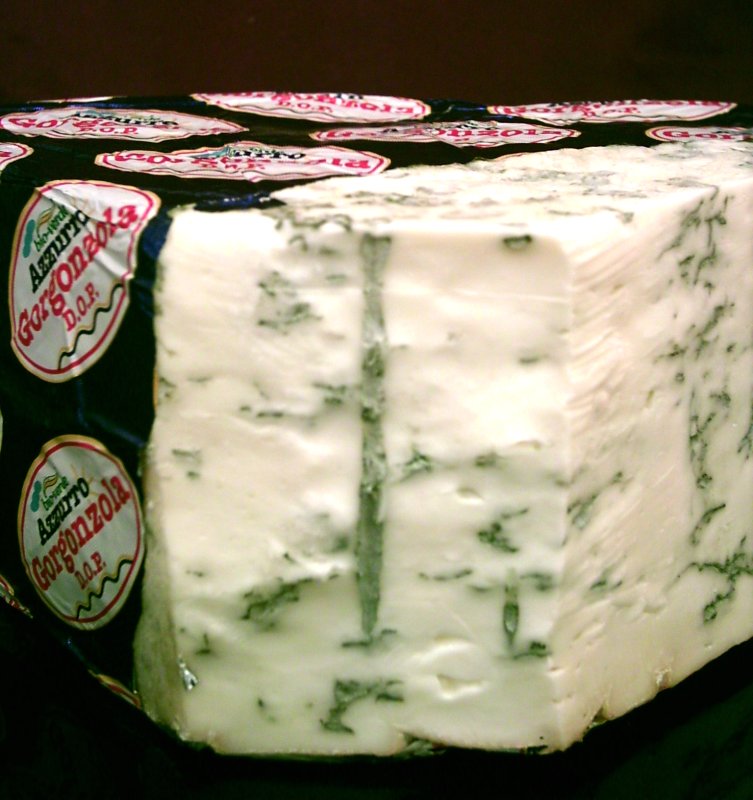 🇮🇹 Italy and 2 moreGorgonzola
A creamy Italian blue cheese from Lombardy with two distinct styles.Cow · Bloomy rind · Salty
🇮🇹 Italy and 2 moreGorgonzola
A creamy Italian blue cheese from Lombardy with two distinct styles.Cow · Bloomy rind · Salty
 🇺🇸 United StatesBergenost
A triple-cream Norwegian-style butter cheese from New York with green wax.Mixed · Semi-soft · Buttery and creamy
🇺🇸 United StatesBergenost
A triple-cream Norwegian-style butter cheese from New York with green wax.Mixed · Semi-soft · Buttery and creamy
 🇺🇸 United States and 2 moreCottage cheese
A fresh, unaged curd cheese made from skimmed milk and dressed with cream.Cow · Fresh · Tangy and lactic
🇺🇸 United States and 2 moreCottage cheese
A fresh, unaged curd cheese made from skimmed milk and dressed with cream.Cow · Fresh · Tangy and lactic
 🇺🇸 United States and 3 moreCream cheese
A soft, unripened cow's-milk cheese made with added cream and eaten fresh.Cow · Fresh · Buttery and creamy
🇺🇸 United States and 3 moreCream cheese
A soft, unripened cow's-milk cheese made with added cream and eaten fresh.Cow · Fresh · Buttery and creamy
 🇺🇸 United States and 1 moreHavartiflødehavarti
A semi-soft Danish cow's-milk cheese with a buttery taste and small irregular eyes.Cow · Semi-soft · Buttery and creamy
🇺🇸 United States and 1 moreHavartiflødehavarti
A semi-soft Danish cow's-milk cheese with a buttery taste and small irregular eyes.Cow · Semi-soft · Buttery and creamy
 🇮🇹 Italy and 1 moreBel Paese
A semi-soft cow's milk cheese from Italy with a mild buttery flavor and pale yellow color.Cow · Semi-soft · Buttery and creamy
🇮🇹 Italy and 1 moreBel Paese
A semi-soft cow's milk cheese from Italy with a mild buttery flavor and pale yellow color.Cow · Semi-soft · Buttery and creamy
 🇺🇸 United States and 1 moreMonterey Jack
A mild, semi-hard cow's-milk cheese from California with a creamy texture and slight sweetness.Cow · Semi-hard · Sweet and caramel
🇺🇸 United States and 1 moreMonterey Jack
A mild, semi-hard cow's-milk cheese from California with a creamy texture and slight sweetness.Cow · Semi-hard · Sweet and caramel
 🇮🇹 Italy and 2 moreStracciatella
A fresh Italian shredded curd cheese mixed with cream, made from cow or buffalo milk.Cow · Fresh · Milky and fresh
🇮🇹 Italy and 2 moreStracciatella
A fresh Italian shredded curd cheese mixed with cream, made from cow or buffalo milk.Cow · Fresh · Milky and fresh
 🇺🇸 United StatesProvel cheese
A white processed cheese blend of cheddar, Swiss and provolone with liquid smoke, made in St. Louis.Cow · Processed · Buttery and creamy
🇺🇸 United StatesProvel cheese
A white processed cheese blend of cheddar, Swiss and provolone with liquid smoke, made in St. Louis.Cow · Processed · Buttery and creamy
 🇺🇸 United StatesMonterey Jack
A mild, semi-hard cow's milk cheese from California with a creamy texture and slight sweetness.Cow · Semi-hard · Sweet and caramel
🇺🇸 United StatesMonterey Jack
A mild, semi-hard cow's milk cheese from California with a creamy texture and slight sweetness.Cow · Semi-hard · Sweet and caramel
Photo credits on this page
The small pictures above come from Wikimedia Commons under free licences. Some are cropped to fit.
- Havarti: Unknown author, CC BY-SA 3.0, source
- Bel Paese: Jon Sullivan, Public domain, source
- Monterey Jack: Frank Schulenburg, CC BY-SA 3.0, source
- Bergenost: Jon Sullivan, CC0, source
- Stracciatella: Florixc (original version) ; Off-shell (reprocessed version), CC0, source
- Cottage cheese: F ASTILY (T ALK ), CC BY-SA 3.0, source
- Gorgonzola: Unknown author, CC BY-SA 3.0, source
- Cream cheese: Famartin, CC BY-SA 4.0, source
- Monterey Jack: Daniel Olsen ( talk ), CC BY 1.0, source
- Provel cheese: J. Vivano & Sons, Inc., Public domain, source
The weekly digest
Every Monday: seven cheeses you may not know, the cheese days of the week ahead, and one dish explained step by step.