
Marble cheese
A processed cow's milk cheese with distinct colored marbling patterns.
Marble cheese is a family of hard, processed cow's milk cheeses originating in the United Kingdom. The signature look comes from mixing different curds or adding natural colorings like annatto or spinach. Colby-Jack is the most popular version in the United States, while Marbled Cheddar and Red Windsor are common elsewhere.
- Originated in the United Kingdom
- Made from processed cow's milk
- Features swirled colored curds
- Colby-Jack popular in the US
- Uses natural colorings like spinach
What is Marble cheese?
Marble cheese describes any cheese featuring a swirled or streaked appearance. These are typically hard, processed cow's milk products. The pattern arises from blending two different types of curds or incorporating natural colorants into one batch. Common examples include Marbled Cheddar, which mixes white and orange cheddar curds. Colby-Jack blends Colby and Monterey Jack curds. Red Windsor adds red wine or coloring to cheddar. Sage Derby uses green herbs or dyes. The texture is firm and suitable for slicing.
Where does Marble cheese come from?
The style originated in the United Kingdom. It relies on traditional British cheesemaking techniques adapted for visual appeal. The concept spread to the United States, where Colby-Jack became the dominant variety. Other types like Red Windsor remain closely tied to British traditions.
What does Marble cheese taste like?
Flavors vary by base cheese. Marbled Cheddar tastes sharp and tangy. Colby-Jack offers a mild, buttery profile. Red Windsor has notes of wine and salt. Sage Derby carries herbal hints from spinach or parsley. The marbling does not change taste but affects texture slightly.
How Marble cheese is made
Cheesemakers process cow's milk curds. They separate batches for coloring. One batch remains white. Another receives natural additives like chlorophyll or carmine. Curds are then mixed together. The blend creates the marble effect. The mixture is pressed into wheels or blocks. Aging follows to firm the texture.
Marble cheese, drawn
How Marble cheese is eaten and cooked
Slice it for sandwiches or cheese boards. Grate it over baked dishes. Serve cubes as a snack. Melts well in casseroles. Pairs with crackers and fruit. Use in grilled cheese sandwiches for visual contrast.
Marble cheese through the day
Works well as an afternoon snack. Serves on lunch boards. Adds interest to dinner platters. Fits casual gatherings. Not typical for breakfast or dessert.
Marble cheese in the world's kitchens
Rooted in British cuisine. Widely consumed in the United States. American versions favor Colby-Jack. British tables prefer Marbled Cheddar or Red Windsor. Both cultures use it for everyday eating and entertaining.
At a glance: where it turns up
By meal and use
Faith and ritual
No specific religious ties. No fasting rules or ritual use noted.
Marble cheese at celebrations
Not tied to specific festivals or weddings. Eaten daily or at casual social events.
Custom and folk tradition
Reflects British tradition of enhancing cheese appearance. Uses natural plant extracts for color. Shows historical skill in curd manipulation.
Buying, keeping and serving Marble cheese
Keep wrapped in wax paper or plastic. Store in the refrigerator. Consume within weeks of opening for best flavor.
What to use instead of Marble cheese
Use regular cheddar if marbling is unavailable. Mix Colby and Monterey Jack separately. Substitute white cheddar for orange varieties.
Protection and trade
Produced commercially in the UK and US. No protected status mentioned. Mass-produced for supermarkets. Natural colorings preferred over artificial ones.
Questions people ask about Marble cheese
What is marble cheese?
It is a family of hard, processed cow's milk cheeses featuring swirled patterns. The look comes from mixing different curds or adding natural colorants like spinach or annatto.
Where does marble cheese come from?
The style originated in the United Kingdom. It later spread to the United States, where Colby-Jack became the most popular variety among consumers.
Is marble cheese made with artificial colors?
Not necessarily. Many versions use natural colorings like chlorophyll from plants or carmine from insects. Some may use food dyes, but natural options exist.
What are common types of marble cheese?
Popular types include Marbled Cheddar, Colby-Jack, Red Windsor, and Sage Derby. Each combines different curds or flavors to create unique appearances and tastes.
Good reading and sources
The facts on this page come from the Wikipedia article "Marble cheese", written by its contributors and used under the CC BY-SA 4.0 licence, and from its Wikidata record (CC0). EveryCheese rewrote the text in its own words, with AI assistance, and compares every page with the article to make sure no passage is copied. It may be reused under the same CC BY-SA 4.0 licence with a link back.
It may contain mistakes. Recipes, ageing and customs differ from one dairy, valley or kitchen to the next. Folk beliefs are described as tradition, never as advice. If something is wrong, tell us. Last refreshed 2026-10-15.
More from the United Kingdom
All the cheeses of the United Kingdom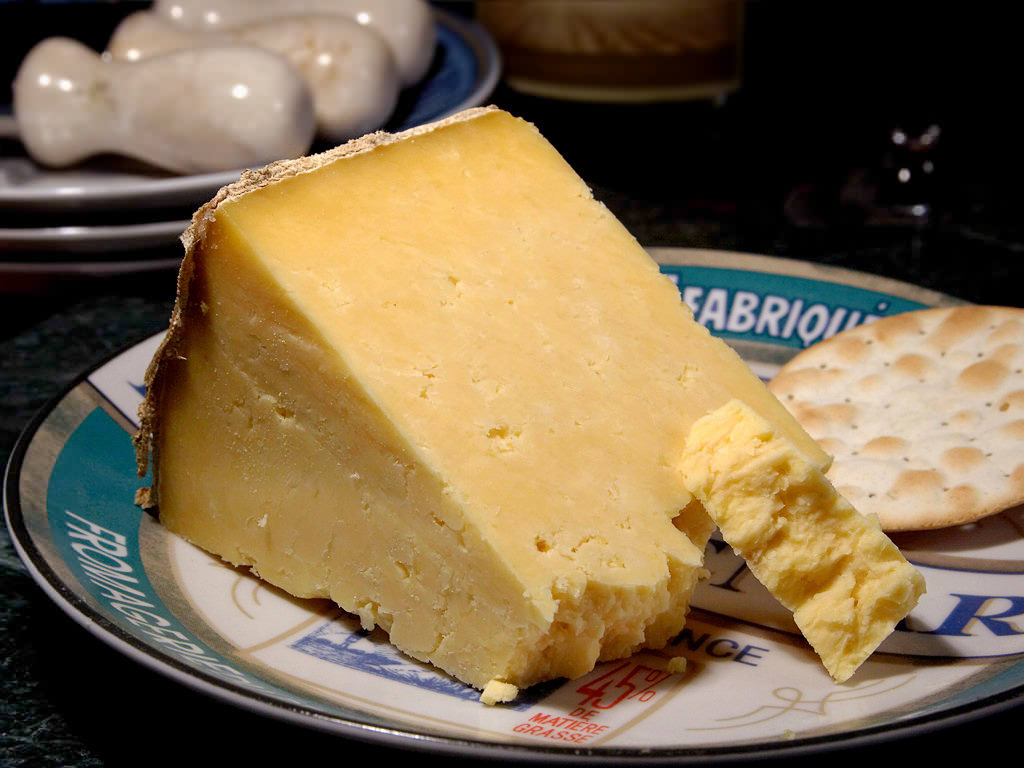 🇬🇧 United Kingdom and 1 moreCheshire
A dense, crumbly cow's-milk cheese from the English county of Cheshire.Cow · Hard · Salty
🇬🇧 United Kingdom and 1 moreCheshire
A dense, crumbly cow's-milk cheese from the English county of Cheshire.Cow · Hard · Salty
 🇬🇧 United KingdomCaerphilly
A hard, crumbly cow's-milk cheese from South Wales with a mild lemony taste.Cow · Hard · Tangy and lactic
🇬🇧 United KingdomCaerphilly
A hard, crumbly cow's-milk cheese from South Wales with a mild lemony taste.Cow · Hard · Tangy and lactic
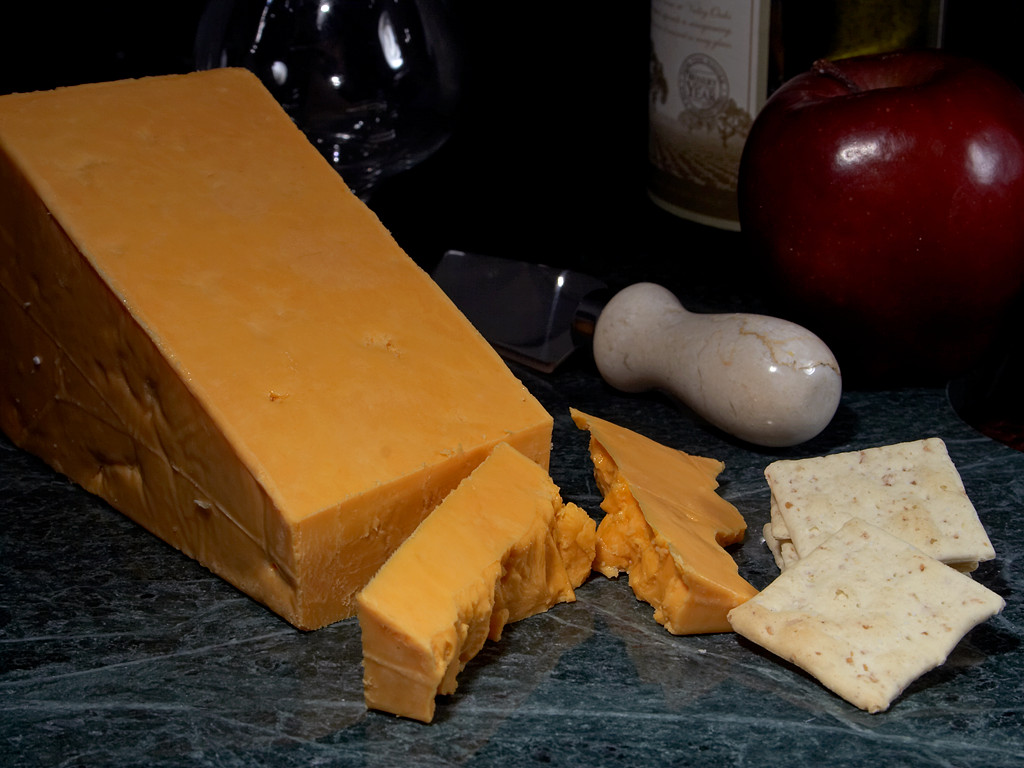 🇬🇧 United KingdomRed Leicester
A hard, crumbly cow's-milk cheese from England, aged for months and coloured with annatto.Cow · Hard · Sweet and caramel
🇬🇧 United KingdomRed Leicester
A hard, crumbly cow's-milk cheese from England, aged for months and coloured with annatto.Cow · Hard · Sweet and caramel
 🇬🇧 United KingdomDunlopcàise Dhùn Lùib
A mild Scottish cheese from Ayrshire made with unskimmed cow's milk.Cow · Semi-soft · Sweet and caramel
🇬🇧 United KingdomDunlopcàise Dhùn Lùib
A mild Scottish cheese from Ayrshire made with unskimmed cow's milk.Cow · Semi-soft · Sweet and caramel
Its cousins elsewhere
All hard cheeses 🇮🇳 IndiaKalimpong cheese
A mild, crumbly cow's-milk cheese from a West Bengal hill station, started by a Jesuit priest.Cow · Semi-hard · Tangy and lactic
🇮🇳 IndiaKalimpong cheese
A mild, crumbly cow's-milk cheese from a West Bengal hill station, started by a Jesuit priest.Cow · Semi-hard · Tangy and lactic
 🇮🇳 IndiaKalari
A semi-soft cow or buffalo milk cheese from Jammu and Kashmir, dried and sautéed until gooey.Cow · Semi-soft · Savoury and brothy
🇺🇸 United StatesCold-pack cheese
A chilled blend of natural cheeses mixed with flavorings without cooking.Mixed · Bloomy rind · Savoury and brothy
🇨🇳 ChinaKefir cheese
A tangy, creamy cheese set using kefir culture rather than rennet or acid.Mixed · Fresh · Tangy and lactic
🇮🇳 IndiaKalari
A semi-soft cow or buffalo milk cheese from Jammu and Kashmir, dried and sautéed until gooey.Cow · Semi-soft · Savoury and brothy
🇺🇸 United StatesCold-pack cheese
A chilled blend of natural cheeses mixed with flavorings without cooking.Mixed · Bloomy rind · Savoury and brothy
🇨🇳 ChinaKefir cheese
A tangy, creamy cheese set using kefir culture rather than rennet or acid.Mixed · Fresh · Tangy and lactic