Little Derby
A semi-hard cow's milk cheese from England with a washed red wine rind.
Little Derby is a British cheese made outside Derbyshire. It uses pasteurised cow's milk and matures for seven months. The wheels have an orange rind from red wine washing and taste similar to Cheddar but lack annatto colouring.
- Made with pasteurised cow's milk.
- Wheels are forty centimetres in diameter.
- Rinds are washed with red wine.
- Matures for seven months.
- Resembles Cheddar in flavour.
What is Little Derby?
Little Derby is a semi-hard cheese produced in the United Kingdom. It belongs to the Derby-style family of cheeses. The cheese is formed into large wheels measuring forty centimetres in diameter. Each wheel weighs approximately ten kilograms. The paste is pale yellow because manufacturers do not add annatto. This distinguishes it from traditional Derby cheese which uses the dye. The rind has a distinct orange hue. This colour comes from washing the surface with red wine during the maturation process. The texture is firm yet pliable. It shares similarities with Cheddar in both flavour and consistency.
Where does Little Derby come from?
The cheese originates in the United Kingdom. It is classified as a British cheese. Although named after Derbyshire, it is made outside that county. One known producer is Fowlers. This company moved its operations to Earlswood in Warwickshire in nineteen eighteen. The move happened from their previous location in Derbyshire. The cheese follows the Derby style but adapts it for production elsewhere. It remains a regional product within the broader category of English dairy goods.
What does Little Derby taste like?
The taste profile resembles that of Cheddar. It offers a savoury character typical of aged cow's milk cheeses. The texture is semi-hard and consistent throughout the wheel. There are no strong pungent notes described. The absence of annatto allows the natural milk flavour to stand out. The red wine wash on the rind may impart subtle nuances. The overall experience is mild compared to sharper varieties. It provides a familiar dairy richness without excessive saltiness or bitterness.
How Little Derby is made
Producers use pasteurised cow's milk as the base. The milk is cultured and set to form curds. These curds are processed into a semi-hard consistency. The mixture is pressed into moulds to create the wheel shape. Each wheel reaches about forty centimetres across. After forming, the wheels weigh around ten kilograms. They undergo a washing process using red wine. This step colours the rind orange. The cheeses then mature for seven months. This aging period develops the final texture and flavour profile.
Little Derby, drawn
How Little Derby is eaten and cooked
Little Derby is suitable for serving on a cheese board. Its firm texture makes it easy to slice. It works well as a snack between meals. The cheese can be eaten on its own. It pairs well with bread or crackers. Because it lacks strong overpowering flavours, it complements other foods. It does not melt dramatically like soft cheeses. It holds its shape when sliced cold. It is not typically used for cooking in recipes.
Little Derby through the day
This cheese fits comfortably into lunch settings. It serves as a substantial snack option. Diners often include it on afternoon tea boards. It is appropriate for casual gatherings. The cheese is not associated with breakfast or dessert courses. It stands alone as a savory item. People enjoy it during midday breaks. It requires no preparation before eating.
Little Derby in the world's kitchens
Little Derby belongs to British cuisine. It is produced within the United Kingdom. The cheese reflects local dairy traditions. It draws inspiration from Derbyshire styles. However, modern production occurs in Warwickshire. The recipe adapts traditional methods for contemporary tastes. It represents a specific niche in English cheese making. Consumers in the UK recognise this variety. It does not appear in international culinary traditions.
At a glance: where it turns up
By meal and use
Cuisines
Faith and ritual
The cheese is not tied to any faith tradition. It is not used in rituals or offerings. No dietary laws specifically govern its consumption. It is a secular food product. It is simply a commercial dairy item.
Little Derby at celebrations
No festivals or holidays feature this cheese. It is not part of wedding feasts. It does not mark new year celebrations. It is not reserved for special occasions. It is an everyday product. People eat it during regular daily life. It lacks ceremonial status. It is available for general purchase.
Custom and folk tradition
Local lore does not surround this cheese. It is not linked to herding customs. There are no folk tales about its creation. It is a manufactured good rather than a rustic staple. Modern techniques replace ancient methods. The red wine wash is a specific industrial choice. It does not reflect deep historical roots. It is a contemporary interpretation of an older style.
Buying, keeping and serving Little Derby
Keep the cheese wrapped in wax paper. Store it in the refrigerator vegetable drawer. Consume it within a few weeks of opening. The rind helps protect the interior paste. Avoid freezing as it alters the texture. Bring it to room temperature before serving. This enhances the flavour release. Do not leave it out for long periods.
What to use instead of Little Derby
Cheddar is a close alternative. It shares similar flavour notes. Derby cheese is another option. However, Derby cheese usually contains annatto. This gives it a different colour. Other semi-hard cow's milk cheeses work too. Look for varieties with washed rinds. These mimic the orange exterior. Generic English cheddars provide a safe replacement.
Protection and trade
Fowlers is a primary manufacturer. They operate in Earlswood, Warwickshire. The company moved from Derbyshire in nineteen eighteen. Production involves pasteurisation standards. The fat content sits at roughly forty-eight percent. Wheels measure forty centimetres in diameter. Each cheese weighs ten kilograms. Maturation lasts seven months. There is no protected designation status mentioned. It is a standard commercial product.
Questions people ask about Little Derby
What milk is used to make Little Derby?
Little Derby is made exclusively from pasteurised cow's milk. This creates a semi-hard texture with a fat content of about forty-eight percent. The milk source ensures a consistent dairy flavour profile.
Where is Little Derby cheese produced?
It is produced in the United Kingdom. A key manufacturer, Fowlers, is based in Earlswood, Warwickshire. They relocated there from Derbyshire in nineteen eighteen, though the cheese is made outside Derbyshire itself.
Why does Little Derby have an orange rind?
The orange colour comes from washing the rinds with red wine during the aging process. Unlike traditional Derby cheese, it does not use annatto dye. This washing technique gives the cheese its distinctive appearance.
How long is Little Derby aged?
The cheese matures for seven months. This aging period allows the semi-hard texture to develop fully. It results in a savoury taste similar to Cheddar.
Good reading and sources
The facts on this page come from the Wikipedia article "Little Derby", written by its contributors and used under the CC BY-SA 4.0 licence, and from its Wikidata record (CC0). EveryCheese rewrote the text in its own words, with AI assistance, and compares every page with the article to make sure no passage is copied. It may be reused under the same CC BY-SA 4.0 licence with a link back.
It may contain mistakes. Recipes, ageing and customs differ from one dairy, valley or kitchen to the next. Folk beliefs are described as tradition, never as advice. If something is wrong, tell us. Last refreshed 2026-10-15.
More from the United Kingdom
All the cheeses of the United Kingdom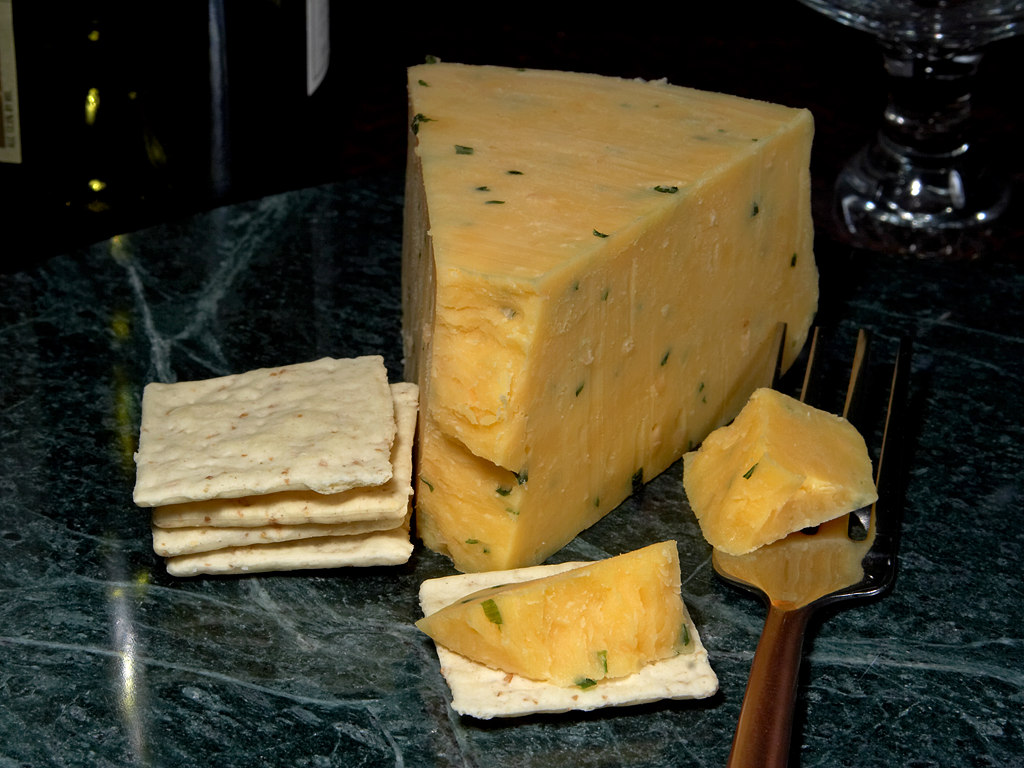 🇬🇧 United KingdomDouble Gloucester
A semi-hard cow's-milk cheese from England with a savoury flavour and natural rind.Cow · Semi-hard · Savoury and brothy
🇬🇧 United KingdomDouble Gloucester
A semi-hard cow's-milk cheese from England with a savoury flavour and natural rind.Cow · Semi-hard · Savoury and brothy
 🇬🇧 United KingdomLancashire cheese
A cow's-milk cheese from England with creamy, nutty, or crumbly varieties.Cow · Semi-hard · Nutty
🇬🇧 United KingdomLancashire cheese
A cow's-milk cheese from England with creamy, nutty, or crumbly varieties.Cow · Semi-hard · Nutty
 🇬🇧 United KingdomSage Derby
A semi-hard cow's milk cheese from England with a mottled green rind and sage flavour.Cow · Semi-hard · Herbal and grassy
🇬🇧 United KingdomSage Derby
A semi-hard cow's milk cheese from England with a mottled green rind and sage flavour.Cow · Semi-hard · Herbal and grassy
Its cousins elsewhere
All semi-hard cheeses 🇾🇪 YemenYemeni cheeseجبنة تعز
A smoked semi-hard sheep or goat milk cheese from Taiz Governorate in Yemen.Sheep · Semi-soft · Savoury and brothy
🇺🇸 United StatesCold-pack cheese
A chilled blend of natural cheeses mixed with flavorings without cooking.Mixed · Bloomy rind · Savoury and brothy
🇾🇪 YemenYemeni cheeseجبنة تعز
A smoked semi-hard sheep or goat milk cheese from Taiz Governorate in Yemen.Sheep · Semi-soft · Savoury and brothy
🇺🇸 United StatesCold-pack cheese
A chilled blend of natural cheeses mixed with flavorings without cooking.Mixed · Bloomy rind · Savoury and brothy
 🇮🇳 IndiaKalari
A semi-soft cow or buffalo milk cheese from Jammu and Kashmir, dried and sautéed until gooey.Cow · Semi-soft · Savoury and brothy
🇮🇳 IndiaKalari
A semi-soft cow or buffalo milk cheese from Jammu and Kashmir, dried and sautéed until gooey.Cow · Semi-soft · Savoury and brothy
 🇲🇽 Mexico and 1 moreAsaderoqueso asadero
A fresh Mexican cheese made from cow and goat milk that melts easily for grilling.Cow · Fresh · Savoury and brothy
🇲🇽 Mexico and 1 moreAsaderoqueso asadero
A fresh Mexican cheese made from cow and goat milk that melts easily for grilling.Cow · Fresh · Savoury and brothy