Dorset Drum
A small cylindrical farmhouse cheddar from west Dorset, clothbound and matured for six to nine months.
Dorset Drum was a medium-strong cow's-milk cheese made at Denhay Farm near Bridport in England. It came in cylindrical truckles weighing between 400g and 2kg, aged for six to nine months before the factory closed in 2013. The name also appears on an unrelated black wax-coated export cheddar.
- Cylindrical truckles weighed between 400g and 2kg.
- Made at Denhay Farm near Bridport in west Dorset.
- Matured for six to nine months in cloth.
- Production ended in 2013.
- Export black wax cheddar is not the true cheese.
What is Dorset Drum?
Dorset Drum was a small farmhouse cheddar produced in Dorset, England. Made from cow's milk, it took the form of a cylindrical truckle, which gave the cheese its name. The wheels varied in weight from 400 grams to 2 kilograms. The paste was yellow and covered by a natural cloth rind. It offered a medium-strong savoury flavour typical of traditional English cheddars.
Where does Dorset Drum come from?
The cheese originated at Denhay Farm, located near the town of Bridport in west Dorset. Production stopped around 2013, with the final batches maturing at that time. An export cheddar coated in black wax shares the same name, but this is not the authentic Dorset Drum made at the farm.
What does Dorset Drum taste like?
The cheese provided a medium-strong taste profile. It was savoury and firm, characteristic of a pressed and aged cheddar. The texture became firmer as the six to nine month maturation period progressed, developing the classic sharpness associated with longer-aged British cheeses.
How Dorset Drum is made
Milk was collected from the local dairy herd and processed into curds. The curds were cooked, stirred, and then pressed into cylindrical moulds to create the truckle shape. The wheels were salted and wrapped in cloth before being stored to age. They remained in storage for a period of six to nine months to develop their flavour and texture.
Dorset Drum, drawn
How Dorset Drum is eaten and cooked
It was eaten as a table cheese, sliced or crumbled. Its firm texture made it suitable for grating over dishes or melting in cooking. It could be served on a cheese board alongside bread and pickles, or used in hot recipes where its savoury notes would enhance the meal.
Dorset Drum through the day
This cheese fit well into lunch or dinner settings. It worked as part of a cheese board or snack. Its versatility allowed it to be melted into hot dishes or baked into simple meals, providing a savoury element to everyday eating.
Dorset Drum in the world's kitchens
Dorset Drum belonged to the tradition of English farmhouse cheddars. It reflected the agricultural practices of west Dorset, where small dairies produced cheese for local consumption. The style aligned with other regional British cheeses that prioritized natural aging and simple preparation methods.
Custom and folk tradition
The cheese represented the local farming heritage of Dorset. Small producers like Denhay Farm maintained traditional cheesemaking methods passed down through generations. The use of cloth binding and natural ageing reflected the practical needs of keeping cheese fresh without modern industrial techniques.
Buying, keeping and serving Dorset Drum
Keep the cheese wrapped in its original cloth or parchment paper inside the refrigerator. Consume it within a few weeks of opening to enjoy its best flavour. Avoid plastic wrap, which can trap moisture and affect the rind.
What to use instead of Dorset Drum
Other clothbound farmhouse cheddars from Dorset or nearby counties serve as good alternatives. A medium-aged cheddar with a similar savoury profile can replace it in cooking or on a cheese board.
Protection and trade
Production ceased in 2013, marking the end of the original Dorset Drum. The name continues to appear on unrelated export products, causing potential confusion for buyers seeking the authentic farmhouse version.
Questions people ask about Dorset Drum
Where does Dorset Drum come from?
It was made at Denhay Farm near Bridport in west Dorset, England. This region has a long history of producing farmhouse cheddars using local milk.
What milk is used to make it?
Dorset Drum is made from cow's milk. The milk comes from the farm's own herd, giving the cheese its distinct local character.
How long is it aged?
The cheese is matured for six to nine months. This period allows the flavour to develop a medium-strong savoury profile typical of aged cheddar.
Is it still available to buy?
No, production ceased in 2013. Any remaining stocks have been sold. Be aware that some export cheddars use the same name but are not the original product.
Good reading and sources
The facts on this page come from the Wikipedia article "Dorset Drum", written by its contributors and used under the CC BY-SA 4.0 licence, and from its Wikidata record (CC0). EveryCheese rewrote the text in its own words, with AI assistance, and compares every page with the article to make sure no passage is copied. It may be reused under the same CC BY-SA 4.0 licence with a link back.
It may contain mistakes. Recipes, ageing and customs differ from one dairy, valley or kitchen to the next. Folk beliefs are described as tradition, never as advice. If something is wrong, tell us. Last refreshed 2026-10-15.
More from the United Kingdom
All the cheeses of the United Kingdom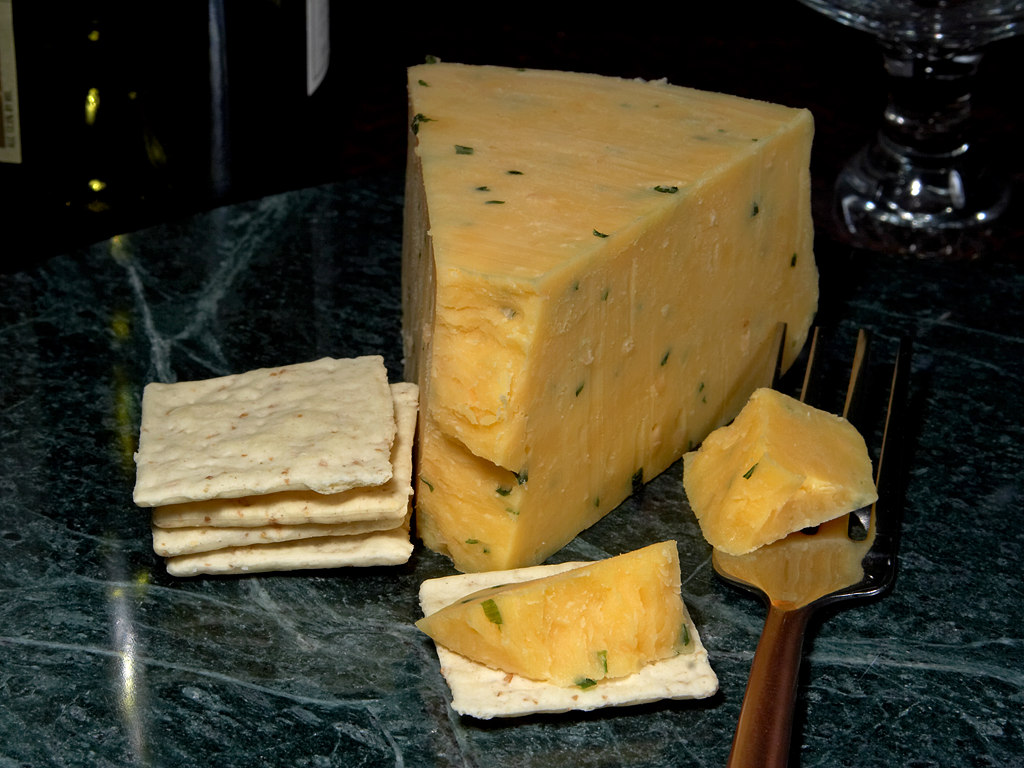 🇬🇧 United KingdomDouble Gloucester
A semi-hard cow's-milk cheese from England with a savoury flavour and natural rind.Cow · Semi-hard · Savoury and brothy
🇬🇧 United KingdomDouble Gloucester
A semi-hard cow's-milk cheese from England with a savoury flavour and natural rind.Cow · Semi-hard · Savoury and brothy
 🇬🇧 United KingdomLancashire cheese
A cow's-milk cheese from England with creamy, nutty, or crumbly varieties.Cow · Semi-hard · Nutty
🇬🇧 United KingdomLancashire cheese
A cow's-milk cheese from England with creamy, nutty, or crumbly varieties.Cow · Semi-hard · Nutty
 🇬🇧 United KingdomSage Derby
A semi-hard cow's milk cheese from England with a mottled green rind and sage flavour.Cow · Semi-hard · Herbal and grassy
🇬🇧 United KingdomSage Derby
A semi-hard cow's milk cheese from England with a mottled green rind and sage flavour.Cow · Semi-hard · Herbal and grassy
Its cousins elsewhere
All semi-hard cheeses 🇾🇪 YemenYemeni cheeseجبنة تعز
A smoked semi-hard sheep or goat milk cheese from Taiz Governorate in Yemen.Sheep · Semi-soft · Savoury and brothy
🇺🇸 United StatesCold-pack cheese
A chilled blend of natural cheeses mixed with flavorings without cooking.Mixed · Bloomy rind · Savoury and brothy
🇾🇪 YemenYemeni cheeseجبنة تعز
A smoked semi-hard sheep or goat milk cheese from Taiz Governorate in Yemen.Sheep · Semi-soft · Savoury and brothy
🇺🇸 United StatesCold-pack cheese
A chilled blend of natural cheeses mixed with flavorings without cooking.Mixed · Bloomy rind · Savoury and brothy
 🇮🇳 IndiaKalari
A semi-soft cow or buffalo milk cheese from Jammu and Kashmir, dried and sautéed until gooey.Cow · Semi-soft · Savoury and brothy
🇮🇳 IndiaKalari
A semi-soft cow or buffalo milk cheese from Jammu and Kashmir, dried and sautéed until gooey.Cow · Semi-soft · Savoury and brothy
 🇲🇽 Mexico and 1 moreAsaderoqueso asadero
A fresh Mexican cheese made from cow and goat milk that melts easily for grilling.Cow · Fresh · Savoury and brothy
🇲🇽 Mexico and 1 moreAsaderoqueso asadero
A fresh Mexican cheese made from cow and goat milk that melts easily for grilling.Cow · Fresh · Savoury and brothy