
Dolcelatte
A mild, sweet Italian blue cheese made from cow's milk with a soft texture.
Dolcelatte is a soft, blue-veined cheese produced in Italy using whole cow's milk. It was developed around 1960 as a milder alternative to Gorgonzola for the British market. The cheese features a creamy texture and a distinctively sweet flavour profile.
- Created around 1960 by Galbani for the British market.
- Made from cow's milk with a 50% fat content.
- Named 'sweet milk' due to its mild, sugary taste.
- Aged for two to three months before sale.
- Uses curds from a single milking for richness.
What is Dolcelatte?
This product is a soft Italian cheese characterized by visible blue veins running through its paste. It is crafted entirely from cow's milk, which contributes to its smooth consistency. The name translates directly to 'sweet milk', reflecting its primary taste characteristic. Unlike many aged cheeses, Dolcelatte remains pliable and creamy rather than hard or crumbly. Its appearance is typical of blue varieties, with white curd intersected by greenish-blue mould lines. The rind is natural and edible, usually thin and unremarkable compared to the rich interior.
Where does Dolcelatte come from?
The cheese originated in Italy during the early 1960s. It was introduced by the Galbani Company, which later became part of Groupe Lactalis. The specific goal behind its creation was to serve the British market with a less intense option. Producers wanted an alternative to the strong, pungent Gorgonzola. By offering a milder scent and taste, they aimed to broaden the appeal of Italian blue cheeses. The brand has been protected as a registered trademark since its inception.
What does Dolcelatte taste like?
The taste is notably sweet and gentle, lacking the sharp bite found in other blue cheeses. This sweetness comes from the use of milk from a single milking session, resulting in a richer fat content. The texture is dense yet creamy, often described as harder than similar fresh blues but still spreadable. Aroma levels are low, making it approachable for those sensitive to strong smells. The flavour profile remains consistent throughout its short ripening period.
How Dolcelatte is made
Production follows methods similar to those used for Gorgonzola. The key difference lies in the milk source: only one milking is used per batch. This results in a higher fat percentage, reaching approximately 50%. The curds are processed to create a firmer structure than typical fresh blues. Aging takes place over two to three months. No specific cave conditions are mandated, allowing for flexible production environments. The process prioritizes consistency and mildness over complex flavour development.
Dolcelatte, drawn
How Dolcelatte is eaten and cooked
Due to its mild nature, Dolcelatte is versatile in serving. It works well on cheese boards alongside fruits and crackers. The soft texture allows it to be easily sliced or crumbled. It can be eaten plain as a snack or paired with light wines. Melting properties make it suitable for simple sauces or warm dishes where a subtle blue flavour is desired. It does not overpower other ingredients, making it ideal for casual meals.
Dolcelatte through the day
This cheese fits comfortably into casual dining settings. It is commonly enjoyed as a standalone snack with bread or biscuits. On dinner tables, it serves as an appetizer or part of a larger spread. Its mildness makes it appropriate for lunch boxes or afternoon tea. It is rarely used in heavy cooking due to its delicate flavour, preferring raw consumption to preserve its sweet notes.
Dolcelatte in the world's kitchens
Italian cuisine embraces Dolcelatte as a modern addition to traditional dairy products. While rooted in Italy, its design targeted international palates, particularly in the UK. It represents a bridge between classic Italian cheesemaking and contemporary consumer preferences. Other Italian regions produce similar styles, such as Dolceverde and Torte Gaudenzio, which share comparable textures and tastes. These variations highlight the adaptability of blue cheese production within Italy.
At a glance: where it turns up
By meal and use
Cuisines
Faith and ritual
There are no known religious associations or ritual uses linked to this cheese. It is a commercial product created for general consumption. No monastic traditions or fasting rules govern its production or eating. It holds no special place in religious festivals or ceremonies.
Dolcelatte at celebrations
Dolcelatte is not tied to specific holidays or celebratory events. It is treated as an everyday luxury item rather than a festive specialty. Consumers enjoy it regularly without waiting for particular occasions. Its availability year-round supports its role as a staple rather than a seasonal treat.
Custom and folk tradition
The cheese lacks deep historical roots or folk customs. Being a mid-20th-century invention, it does not feature in ancient herding practices or village lore. Its story is one of industrial innovation rather than rural tradition. The focus has always been on market appeal and brand identity rather than cultural preservation.
Buying, keeping and serving Dolcelatte
Keep the cheese wrapped in wax paper or plastic film to maintain moisture. Store it in the coldest part of the refrigerator, typically the vegetable drawer. Consume within a few weeks of opening for best quality. Avoid freezing, as this alters the creamy texture. Let it sit at room temperature briefly before serving to enhance flavour release.
What to use instead of Dolcelatte
Gorgonzola dolce is the closest traditional alternative, though it tends to be stronger. Torte Gaudenzio offers a similar mild profile and soft texture. Dolceverde provides comparable sweetness and veining. For those seeking a non-blue option, mild brie or camembert might suffice, though they lack the distinctive mould character. Always check labels for milk type if dietary restrictions apply.
Protection and trade
As a trademarked brand, Dolcelatte is controlled by its owner, currently Groupe Lactalis. Production volumes are managed to meet global demand, especially in export markets like the UK. Imitations exist under generic names, but the branded version maintains specific quality standards. The cheese competes with other soft blues in supermarkets worldwide. Its success relies on consistent branding and accessible pricing.
Questions people ask about Dolcelatte
Where does Dolcelatte come from?
It originates in Italy, developed by the Galbani company in the 1960s specifically to cater to British tastes for a milder blue cheese.
What kind of milk is used?
Dolcelatte is made exclusively from cow's milk, utilizing curds from a single milking to achieve its high fat content and creamy texture.
How does it taste compared to Gorgonzola?
It is significantly milder and sweeter than Gorgonzola. The aroma is less pungent, making it more approachable for those who find traditional blues too strong.
Is it a hard or soft cheese?
It is a soft cheese, though slightly firmer than some fresh blues due to the production method. It remains spreadable and creamy rather than crumbly.
Good reading and sources
The facts on this page come from the Wikipedia article "Dolcelatte", written by its contributors and used under the CC BY-SA 4.0 licence, and from its Wikidata record (CC0). EveryCheese rewrote the text in its own words, with AI assistance, and compares every page with the article to make sure no passage is copied. It may be reused under the same CC BY-SA 4.0 licence with a link back.
It may contain mistakes. Recipes, ageing and customs differ from one dairy, valley or kitchen to the next. Folk beliefs are described as tradition, never as advice. If something is wrong, tell us. Last refreshed 2026-10-15.
More from Italy
All the cheeses of Italy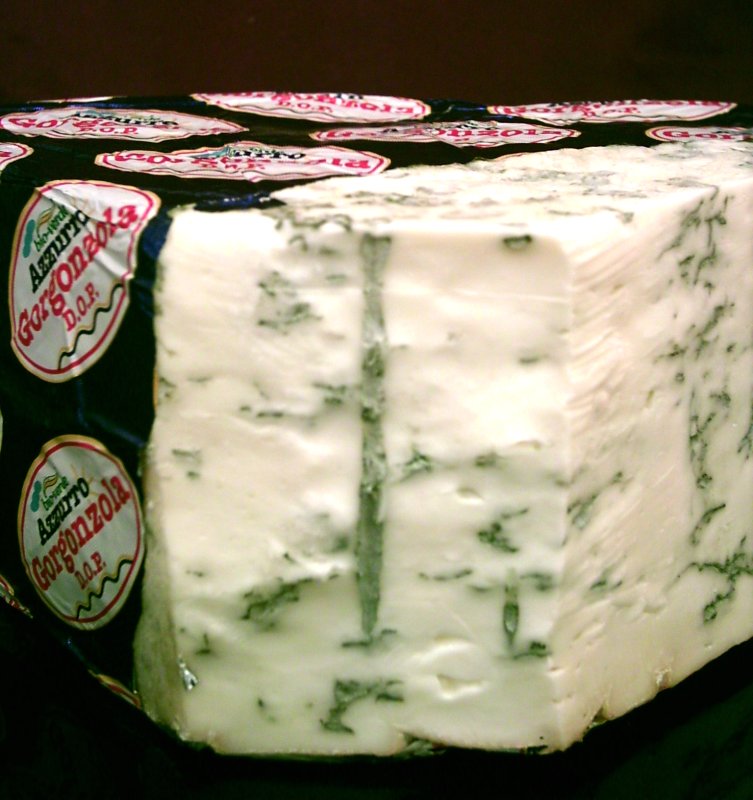 🇮🇹 Italy and 2 moreGorgonzola
A creamy Italian blue cheese from Lombardy with two distinct styles.Cow · Bloomy rind · Salty
🇮🇹 Italy and 2 moreGorgonzola
A creamy Italian blue cheese from Lombardy with two distinct styles.Cow · Bloomy rind · Salty
 🇫🇷 France and 1 moreReblochon
A soft washed-rind cow's milk cheese from the French Alps with a nutty flavour.Cow · Bloomy rind · Nutty
🇫🇷 France and 1 moreReblochon
A soft washed-rind cow's milk cheese from the French Alps with a nutty flavour.Cow · Bloomy rind · Nutty
 🇮🇹 ItalyToma
A soft to semi-hard Italian cow's milk cheese prized for melting.Cow · Bloomy rind
🇮🇹 ItalyToma
A soft to semi-hard Italian cow's milk cheese prized for melting.Cow · Bloomy rind
 🇮🇹 ItalyCaciotta
A mild Italian cheese made from cow, sheep, goat, or buffalo milk.Cow · Bloomy rind · Milky and fresh
🇮🇹 ItalyCaciotta
A mild Italian cheese made from cow, sheep, goat, or buffalo milk.Cow · Bloomy rind · Milky and fresh
Its cousins elsewhere
All bloomy rind cheeses 🇮🇳 India and 2 moreKhoa
A soft South Asian cheese made by simmering whole milk until thick and dry.Cow · Fresh · Milky and fresh
🇮🇳 India and 2 moreKhoa
A soft South Asian cheese made by simmering whole milk until thick and dry.Cow · Fresh · Milky and fresh
 🇷🇴 Romania and 4 moreUrdaurdă
A fresh whey cheese from Southeast Europe and Hungary, made by boiling leftover milk liquid.Mixed · Fresh · Milky and fresh
🇷🇴 Romania and 4 moreUrdaurdă
A fresh whey cheese from Southeast Europe and Hungary, made by boiling leftover milk liquid.Mixed · Fresh · Milky and fresh
 🇺🇸 United States and 1 moreMonterey Jack
A mild, semi-hard cow's-milk cheese from California with a creamy texture and slight sweetness.Cow · Semi-hard · Sweet and caramel
🇺🇸 United States and 1 moreMonterey Jack
A mild, semi-hard cow's-milk cheese from California with a creamy texture and slight sweetness.Cow · Semi-hard · Sweet and caramel