
Oaxaca cheese
In its own language: queso Oaxaca
A semi-hard, stringy cow's milk cheese from southern Mexico, made using the pasta filata method.
Oaxaca cheese is a white, low-fat cow's milk cheese from Mexico. It has a semi-hard texture similar to mozzarella or string cheese. The cheese is named after the state of Oaxaca and is widely used in Mexican cuisine for melting.
- Made using the pasta filata stretching method.
- Named after the state of Oaxaca in Mexico.
- Texture resembles mozzarella or string cheese.
- Key ingredient for tlayudas and quesadillas.
- Known as quesillo in several Central American countries.
What is Oaxaca cheese?
Oaxaca cheese is a white, semi-hard dairy product from Mexico. It is also called queso Oaxaca or quesillo. The cheese has a low fat content and a unique texture. It resembles unaged Monterey Jack but behaves like mozzarella. You can pull it into long strings. It comes in various shapes, often rolled like yarn. The paste is smooth and pliable. It smells mild and milky. The taste is gentle and slightly salty. It melts easily when heated. This makes it popular for hot dishes. The name reflects its origin in the southern state of Oaxaca.
Where does Oaxaca cheese come from?
The cheese originated in the state of Oaxaca in southern Mexico. Dominican friars introduced the string cheese process to the region. They brought the technique during their settlement there. The local name was quesillo before it became known as Oaxaca cheese. Some argue that keeping the regional name helps promote the state internationally. Others prefer the generic term quesillo. The distinction lies mainly in where it is produced or bought. Essentially, they are the same product regardless of the label used.
What does Oaxaca cheese taste like?
The flavor is mild and milky. It lacks strong pungency or sharp notes. The texture is semi-hard yet pliable. It stretches into thin ribbons when pulled apart. This stringy quality is its defining trait. The moisture content is higher than many aged cheeses. This contributes to its soft melt. The taste remains consistent throughout the wheel. It does not develop complex notes with age. It is best enjoyed fresh. The mildness allows it to blend well with other ingredients.
How Oaxaca cheese is made
Producers use the pasta filata method to make this cheese. This involves stretching the curd into long ribbons. The ribbons are then rolled up tightly. The result looks like a ball of yarn. Just under 30,000 metric tonnes were produced in Mexico in 2020. Most production happens in Oaxaca. The process requires skill and care. The curd must be stretched at the right temperature. Rolling creates the characteristic layers. This technique is similar to making mozzarella. However, the final shape differs. The rolling step distinguishes it from braided cheeses.
Oaxaca cheese, drawn
How Oaxaca cheese is eaten and cooked
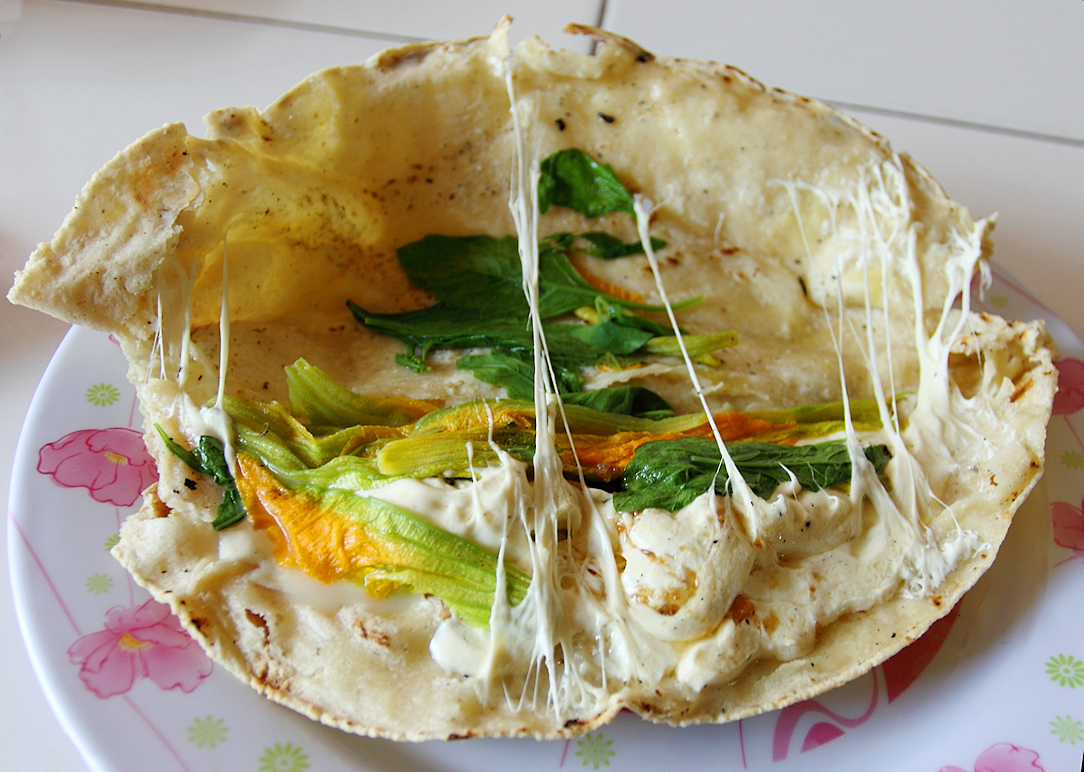
Chefs use Oaxaca cheese widely in Mexican cooking. It is ideal for quesadillas and empanadas. The cheese melts smoothly over fillings. Common additions include huitlacoche and squash flowers. It is essential for tlayudas, a traditional Oaxacan dish. The tlayuda is a large, crisp tortilla topped with beans and meat. The cheese binds these ingredients together. Its melting properties make it versatile. It works well in baked dishes too. It adds creaminess without overpowering flavors.
Oaxaca cheese through the day
This cheese fits into lunch and dinner meals. It is common in street food stalls. People eat it as a snack on its own. It appears in casual family gatherings. The melting quality suits hot plates. Quesadillas are a quick midday option. Tlayudas serve as hearty evening fare. Empanadas offer a portable choice. It rarely appears in breakfast settings. It is not typically served on cheese boards. Its primary role is as a cooking ingredient.
Oaxaca cheese in the world's kitchens
Oaxaca cheese belongs firmly to Mexican cuisine. It is central to Oaxacan culinary traditions. Cooks value it for its melting ability. In Costa Rica, it is called queso palmito. The name references heart of palm due to similar texture. Production occurs in San Carlos and Zarcero. In Nicaragua, Honduras, Colombia, and El Salvador, it is known as quesillo. These regions adapt it to local tastes. It is sometimes confused with asadero from Chihuahua. Asadero is drier and made differently.
At a glance: where it turns up


Faith and ritual
Dominican friars introduced the production method. They settled in Oaxaca and taught the craft. This links the cheese to Catholic missionary history. There are no specific religious rituals attached to eating it. It is not reserved for fasting periods. Monasteries may have started its production. Today, it is a secular commodity. Farmers produce it for daily consumption. No special blessings are required for its creation.
Oaxaca cheese at celebrations
The cheese is part of everyday life in Oaxaca. It features in local festivals and markets. Tlayudas are served during community events. Families prepare quesadillas for gatherings. It is not tied to specific holidays. Its presence is constant rather than occasional. Local producers celebrate its heritage annually. Tourism promotes its cultural significance. It represents regional pride in southern Mexico.
Custom and folk tradition
Local lore emphasizes the connection to Oaxaca. The name change from quesillo to Oaxaca cheese sparked debate. Some believe the regional name boosts tourism. Others prefer the generic term. The string cheese technique is a valued skill. Artisans pass down the stretching methods. The rolling process requires practice. Communities take pride in their production. The cheese embodies the agricultural lifestyle of the region.
Buying, keeping and serving Oaxaca cheese
Sources do not provide specific storage instructions. Keep it refrigerated to maintain freshness. Consume it soon after purchase. The high moisture content means it spoils quickly. Wrap it in wax paper or plastic. Avoid freezing if possible. Texture changes upon thawing. Check for mold before eating. Use within a few days of opening.
What to use instead of Oaxaca cheese
Asadero cheese is often confused with Oaxaca cheese. It comes from Chihuahua in northern Mexico. Asadero is drier and less moist. Mozzarella is another alternative. It shares the stretchy texture. Monterey Jack is similar but less elastic. String cheese found in stores is a close match. Use these substitutes in recipes calling for melting. Adjust cooking times based on moisture levels.
Protection and trade
Production reached nearly 30,000 metric tonnes in 2020. Most output comes from Oaxaca state. The cheese is exported to Central America. Costa Rica produces queso palmito locally. Nicaragua, Honduras, Colombia, and El Salvador import it as quesillo. International demand supports local economies. Imitations exist under different names. Trade flows follow historical migration patterns. Consumers recognize it by multiple labels.
Dishes with Oaxaca cheese
Questions people ask about Oaxaca cheese
What is Oaxaca cheese?
It is a white, semi-hard cow's milk cheese from Mexico. It has a low fat content and a unique stringy texture. Producers make it by stretching curds into ribbons and rolling them.
Where does Oaxaca cheese come from?
It originates in the state of Oaxaca in southern Mexico. Dominican friars introduced the string cheese process there. It is now produced throughout Mexico and exported to neighboring countries.
What does Oaxaca cheese taste like?
It has a mild, milky flavor with slight saltiness. The texture is semi-hard yet pliable. It melts smoothly, making it ideal for hot dishes like quesadillas.
Is Oaxaca cheese the same as quesillo?
Yes, they are essentially the same product. Quesillo is the local name in Oaxaca. Other countries use quesillo to refer to this cheese. The difference lies only in naming conventions.
Good reading and sources
- Oaxaca cheese on WikipediaEncyclopedia
- More photos on Wikimedia CommonsPhotos and video
- Wikidata recordOpen data
The facts on this page come from the Wikipedia article "Oaxaca cheese", written by its contributors and used under the CC BY-SA 4.0 licence, and from its Wikidata record (CC0). EveryCheese rewrote the text in its own words, with AI assistance, and compares every page with the article to make sure no passage is copied. It may be reused under the same CC BY-SA 4.0 licence with a link back.
It may contain mistakes. Recipes, ageing and customs differ from one dairy, valley or kitchen to the next. Folk beliefs are described as tradition, never as advice. If something is wrong, tell us. Last refreshed 2026-10-15.
More from Mexico
All the cheeses of Mexico 🇲🇽 MexicoCotija
A salty, aged cow's milk cheese from Michoacán that crumbles but does not melt.Cow · Semi-hard · Salty
🇲🇽 MexicoCotija
A salty, aged cow's milk cheese from Michoacán that crumbles but does not melt.Cow · Semi-hard · Salty
 🇨🇷 Costa Rica and 1 morePalmitoQueso palmito
A Costa Rican stretched-curd cheese shaped like a knotted ball of string cheese.Cow · Fresh · Salty
🇨🇷 Costa Rica and 1 morePalmitoQueso palmito
A Costa Rican stretched-curd cheese shaped like a knotted ball of string cheese.Cow · Fresh · Salty
 🇲🇽 MexicoPanela cheeseQueso panela
A fresh, white Mexican cow's-milk cheese that holds its shape when fried.Cow · Fresh · Milky and fresh
🇲🇽 MexicoPanela cheeseQueso panela
A fresh, white Mexican cow's-milk cheese that holds its shape when fried.Cow · Fresh · Milky and fresh
 🇲🇽 Mexico and 1 moreAsaderoqueso asadero
A fresh Mexican cheese made from cow and goat milk that melts easily for grilling.Cow · Fresh · Savoury and brothy
🇲🇽 Mexico and 1 moreAsaderoqueso asadero
A fresh Mexican cheese made from cow and goat milk that melts easily for grilling.Cow · Fresh · Savoury and brothy
Its cousins elsewhere
All semi-hard cheeses 🇮🇹 Italy and 1 moreMozzarella
A semi-soft Italian stretched-curd cheese made from cow or buffalo milk.Cow · Semi-soft · Milky and fresh
🇮🇹 Italy and 1 moreMozzarella
A semi-soft Italian stretched-curd cheese made from cow or buffalo milk.Cow · Semi-soft · Milky and fresh
 🇮🇹 Italy and 5 moreRicotta
A fresh Italian whey cheese made by reheating leftover proteins from other cheesemaking batches.Sheep · Fresh · Milky and fresh
🇺🇸 United States and 1 morePot cheese
A soft, crumbly, unaged cow's-milk cheese popular in North America and Austria.Cow · Fresh · Milky and fresh
🇺🇸 United StatesD'Isigny
A soft American cheese modeled on French Brie and Camembert styles.Cow · Bloomy rind · Milky and fresh
🇮🇹 Italy and 5 moreRicotta
A fresh Italian whey cheese made by reheating leftover proteins from other cheesemaking batches.Sheep · Fresh · Milky and fresh
🇺🇸 United States and 1 morePot cheese
A soft, crumbly, unaged cow's-milk cheese popular in North America and Austria.Cow · Fresh · Milky and fresh
🇺🇸 United StatesD'Isigny
A soft American cheese modeled on French Brie and Camembert styles.Cow · Bloomy rind · Milky and fresh