Cheeses of Valais
The Rhône valley canton where raclette began: half wheels melted by the fire and scraped onto potatoes.
Made, aged and sold here
Best time: June to October; spring for the cow fights.
Valais is the canton of the upper Rhône valley, walled by the highest mountains of the Alps. Herders here once melted cheese by the fire and scraped it onto bread or potatoes, the origin of raclette, from racler, to scrape. Raclette du Valais is a protected name, and its wheels are often named after the valley or alp they come from, such as Bagnes, Orsières or Goms.

Raclette
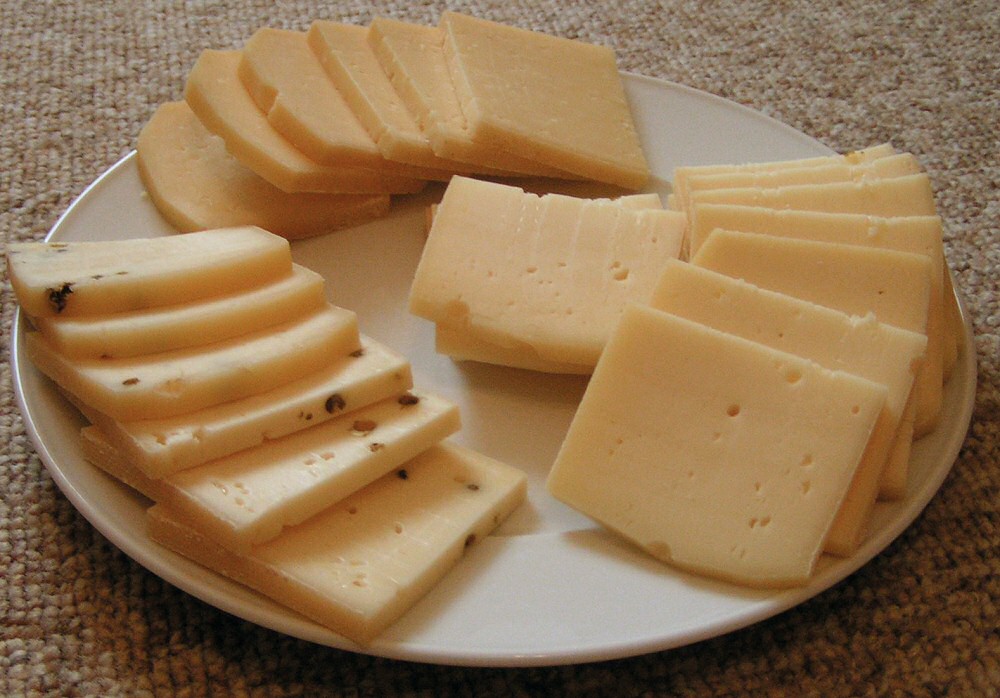
Raclette du Valais is a raw cow's milk cheese, semi-hard and supple, made to melt. A half wheel is held to a fire or a heating element, and the melted surface is scraped onto a plate, then eaten with potatoes in their skins, pickled onions and gherkins. A raclette meal brings plate after plate, each from a different cheese, with a glass of Fendant.
Cows and pastures
Valais has its own black cattle, the Hérens, small and strong, whose cows fight each other in spring to settle the herd's leader. These combats de reines are a popular tradition. Summer alpages fill the side valleys, and many villages hold cheese festivals and descents from the alp in autumn. Sion, the capital, has two castles on hills above the old town.
A trail idea for Valais
- Sion The old town and its hilltop castles.
- Val de Bagnes The valley of one of the best-known raclette cheeses.
- A raclette table Eat raclette scraped from the wheel, plate by plate.
- A combat de reines Watch Hérens cows contest the herd, held in spring.
Written by the EveryCheese desk with AI assistance. Background: "Valais" on Wikipedia. Opening hours, markets, caves and tours change; check locally before travelling. If something is wrong, tell us.