Cheeses of Gorgonzola
A town east of Milan that named Italy's best-known blue, first made from the milk of herds coming down from the Alps.
Made, aged and sold here
Best time: September for the festival; spring and autumn for the canal.
Gorgonzola is a small town on the Martesana canal east of Milan. Tradition says its blue cheese began here, made from the milk of cattle resting on their way down from the Alpine pastures in autumn. Production later moved mostly to the provinces of Novara and Pavia, but the town keeps the name and celebrates the cheese with a festival each September.

Gorgonzola
Gorgonzola is a cow's milk blue, made in two styles. Dolce is soft and creamy with light veins; piccante is firmer, with more blue and a sharper bite. The cheese is pierced with metal needles so air can reach the mould inside, and ages for two months or more. Its first name was stracchino di Gorgonzola, from stracca, tired, after the weary cattle.
The town
Gorgonzola has a canal-side walk along the Naviglio Martesana, a parish church with a neoclassical façade and a small old centre. The Sagra Nazionale del Gorgonzola, a cheese festival, fills the town in September. Milan is a short metro ride away, and the cheese appears on menus all over the city, with polenta, on pizza and in risotto.
A trail idea for Gorgonzola
- Martesana canal Walk or cycle the old canal path towards Milan.
- Town centre The church square and old streets of Gorgonzola.
- A cheese shop Taste dolce and piccante side by side.
- Milan Eat risotto or polenta with Gorgonzola in the city.
Written by the EveryCheese desk with AI assistance. Background: "Gorgonzola, Lombardy" on Wikipedia. Opening hours, markets, caves and tours change; check locally before travelling. If something is wrong, tell us.
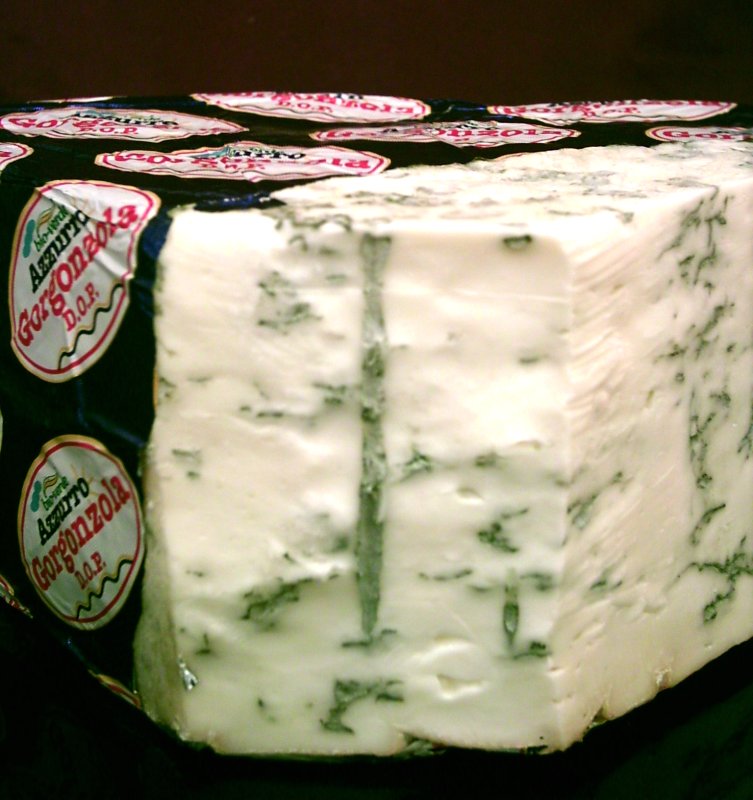

Photo credits on this page
The small pictures above come from Wikimedia Commons under free licences. Some are cropped to fit.
- Blue cheese: No machine-readable author provided. Brookie assumed (based on copyrig, CC BY-SA 3.0, source
- Gorgonzola: Unknown author, CC BY-SA 3.0, source