
Chkinti
In its own language: ჭყინტი ყველი
A fresh, hand-squeezed cow's milk cheese from Georgia's Imereti region.
Chkinti is a traditional Georgian cheese made from cow's milk. It is a fresh cheese with a mild taste, widely used in local dishes like khachapuri and accounting for a large share of the country's production.
- Fresh cow's milk cheese from Imereti, Georgia.
- Hand-squeezed to control moisture content.
- Key ingredient in imeruli khachapuri.
- One of two cheeses dominating Georgian production.
- Stored in dark places to preserve taste.
What is Chkinti?
Chkinti is a fresh cheese from Georgia. It comes from the Imereti area. The cheese uses only cow's milk. You make it by hand. The curds are squeezed to remove whey. This keeps the right moisture level. The shape is usually round. It sits on clay or wood trays. The paste is white and soft. The taste is light and fresh. It does not have a strong smell. People eat it young. It is not aged for long periods. The texture is slightly crumbly but moist.
Where does Chkinti come from?
This cheese belongs to Georgia. Specifically, it comes from the Imereti region. It is part of unboiled cheese traditions. Local makers have produced it for a long time. It is considered a staple food there. Two cheeses dominate the market: Chkinti and Sulguni. They make up most of the national output. The name means fresh cheese in Georgian. It reflects its quick preparation method.
What does Chkinti taste like?
The taste is very mild. It is not salty at first. Salt is added later in the process. The texture is soft and moist. Squeezing removes excess liquid. This changes the mouthfeel. It feels slightly dense but not hard. There are no strong aromas. The flavour stays clean and simple. It works well in cooked dishes. It does not overpower other ingredients. The freshness is its main trait.
How Chkinti is made
Milk is curdled first. Workers stir the mass by hand. Then they strain the curds. Excess whey is squeezed out carefully. Both hands are used for this step. Moisture control is key for ripening. The cheese is shaped into rounds. It rests on wooden or clay trays. Swelling happens during this rest. Salt is added the next evening. Salting helps the cheese set. It is then moved to storage. Dark places are preferred for keeping it.
Chkinti, drawn
How Chkinti is eaten and cooked
Chkinti is famous in khachapuri. This is a baked bread dish. The cheese melts inside the bread. It pairs well with Sulguni. You can eat it on its own too. It is common in everyday meals. Bakers use it for fillings. It adds creaminess to hot dishes. It is not usually grated. The fresh texture suits baking best. It is a versatile kitchen ingredient.
Chkinti through the day
It fits many meal types. Breakfast includes it in khachapuri. Lunch might feature it as a side. Dinner often has it baked. Snacks can use small pieces. It is a daily food item. Families eat it regularly. It is not just for special events. Its mild taste suits any time. It is easy to prepare quickly.
Chkinti in the world's kitchens
Georgian cuisine relies on Chkinti. Imereti is its home base. It is found across the country. Other regions adopt it easily. It is a national favourite. Khachapuri recipes vary by area. Some use more Sulguni. Others prefer pure Chkinti. It defines the local food identity. Travelers find it in every town. It represents simple, honest cooking.
At a glance: where it turns up
By meal and use
Cuisines

Faith and ritual
No specific religious ties exist. It is not linked to rituals. Monks do not make it specially. Fasting rules do not mention it. It is a secular food item. Everyone eats it regardless of faith. It has no ceremonial role. It is just a regular dairy product. No special blessings are needed. It is plain sustenance.
Chkinti at celebrations
It is not for festivals alone. It is eaten every day. Weddings might serve it casually. New year tables include it. But it is not exclusive to them. It is a household staple. Hospitality offers it freely. Guests see it often. It is part of normal life. Celebrations use it but do not define it.
Custom and folk tradition
Hand-making is the old way. Machines do not replace workers. Squeezing is done by feel. Trays are traditional tools. Clay and wood are common. Storage in pits is historic. Darkness protects the cheese. This method preserves taste for months. It shows local knowledge. Herders value its keeping quality. It is a practical invention.
Buying, keeping and serving Chkinti
Keep it in a cool place. Darkness helps it last longer. Pits were used historically. Modern fridges work well. It stays good for months. Salt extends its life. Do not leave it in air. Wrap it tightly. Check for mold occasionally. It improves with short aging. Freshness fades if stored too long.
What to use instead of Chkinti
Sulguni is the main partner. They are often mixed together. No exact global substitute exists. Fresh mozzarella is similar in texture. Ricotta is close but drier. Paneer is firm and bland. Use these in a pinch. Chkinti is unique though. Its moisture level is special. Try to find the real thing.
Protection and trade
It is a major product in Georgia. Production numbers are high. It shares space with Sulguni. Most cheese comes from these two. Export is limited locally. Tourists buy it as souvenirs. Makers keep traditional methods. Cooperatives help small producers. Prices are low domestically. It is affordable for locals. Quality varies by maker.
Questions people ask about Chkinti
What kind of milk is used?
Chkinti is made exclusively from cow's milk. The milk is curdled and then processed by hand to create the fresh cheese texture.
Where does this cheese come from?
It originates from the Imereti region in Georgia. It is a traditional staple of Georgian cuisine and widely available throughout the country.
How is it different from other fresh cheeses?
It is hand-squeezed to retain specific moisture levels. This gives it a unique soft texture that differs from machine-made alternatives.
What is the best way to eat it?
It is most famous inside baked khachapuri bread. It melts well and adds a mild, creamy flavor to the dish.
Does it have a strong taste?
No, it has a mild and fresh flavor. It is not pungent or sharp, making it suitable for everyday eating and baking.
Good reading and sources
The facts on this page come from the Wikipedia article "Chkinti", written by its contributors and used under the CC BY-SA 4.0 licence, and from its Wikidata record (CC0). EveryCheese rewrote the text in its own words, with AI assistance, and compares every page with the article to make sure no passage is copied. It may be reused under the same CC BY-SA 4.0 licence with a link back.
It may contain mistakes. Recipes, ageing and customs differ from one dairy, valley or kitchen to the next. Folk beliefs are described as tradition, never as advice. If something is wrong, tell us. Last refreshed 2026-10-15.
More from Georgia
All the cheeses of Georgia 🇬🇪 GeorgiaDambalkhachoდამბალხაჭო
A pungent, semi-soft Georgian cheese aged in clay pots with sour buttermilk curdsCow · Semi-soft · Pungent and funky
🇬🇪 GeorgiaDambalkhachoდამბალხაჭო
A pungent, semi-soft Georgian cheese aged in clay pots with sour buttermilk curdsCow · Semi-soft · Pungent and funky
 🇬🇪 GeorgiaGuda cheeseგუდის ყველი
A salted sheep's-milk cheese ripened inside a leather wineskin in the Georgian mountains.Sheep · Semi-hard · Salty
🇬🇪 GeorgiaGuda cheeseგუდის ყველი
A salted sheep's-milk cheese ripened inside a leather wineskin in the Georgian mountains.Sheep · Semi-hard · Salty
 🇬🇪 Georgia and 1 moreSulguniსულგუნი
A brined, elastic Georgian cheese from Samegrelo, often deep-fried.Cow · Brined · Salty
🇬🇪 Georgia and 1 moreSulguniსულგუნი
A brined, elastic Georgian cheese from Samegrelo, often deep-fried.Cow · Brined · Salty
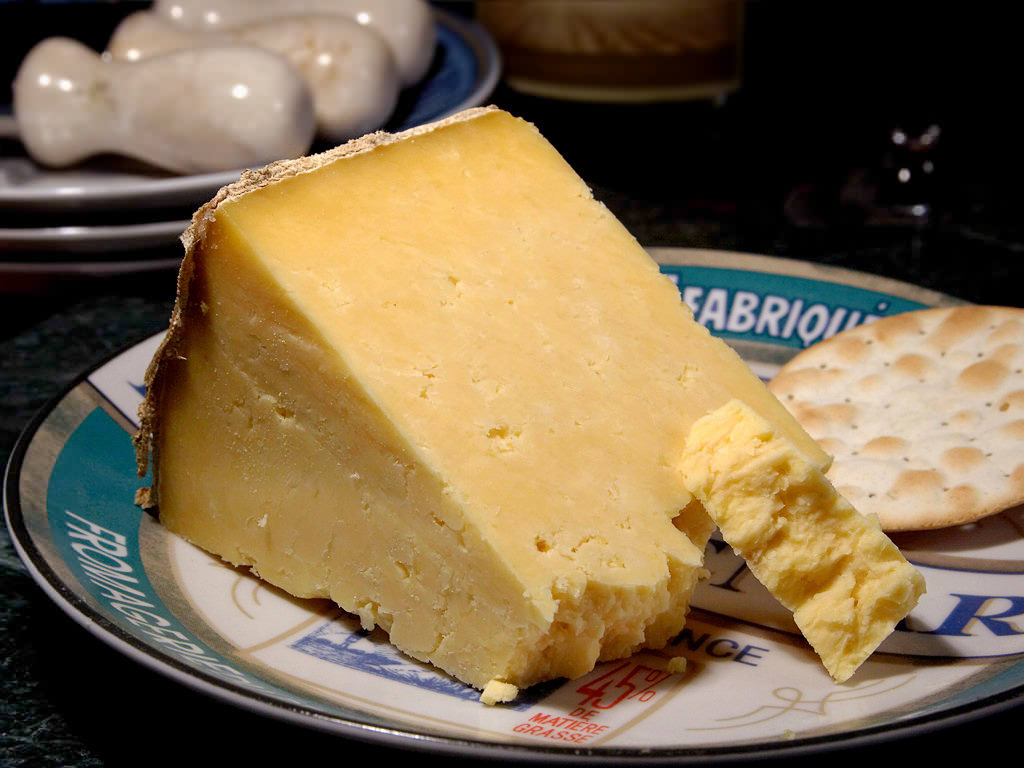 🇬🇧 United Kingdom and 1 moreCheshire
A dense, crumbly cow's-milk cheese from the English county of Cheshire.Cow · Hard · Salty
🇬🇧 United Kingdom and 1 moreCheshire
A dense, crumbly cow's-milk cheese from the English county of Cheshire.Cow · Hard · Salty
Its cousins elsewhere
All fresh cheeses 🇲🇽 Mexico and 1 moreAsaderoqueso asadero
A fresh Mexican cheese made from cow and goat milk that melts easily for grilling.Cow · Fresh · Savoury and brothy
🇻🇪 VenezuelaPalmitaqueso palmita
A fresh, salty cow's milk cheese from Venezuela's Zulia state, made in large wooden vats.Cow · Fresh · Salty
🇺🇸 United States and 1 morePot cheese
A soft, crumbly, unaged cow's-milk cheese popular in North America and Austria.Cow · Fresh · Milky and fresh
🇮🇱 Israel and 1 moreGvina levanaגבינה לבנה
A soft, unripened cow's-milk cheese spread on bread in Israel.Cow · Fresh · Tangy and lactic
🇲🇽 Mexico and 1 moreAsaderoqueso asadero
A fresh Mexican cheese made from cow and goat milk that melts easily for grilling.Cow · Fresh · Savoury and brothy
🇻🇪 VenezuelaPalmitaqueso palmita
A fresh, salty cow's milk cheese from Venezuela's Zulia state, made in large wooden vats.Cow · Fresh · Salty
🇺🇸 United States and 1 morePot cheese
A soft, crumbly, unaged cow's-milk cheese popular in North America and Austria.Cow · Fresh · Milky and fresh
🇮🇱 Israel and 1 moreGvina levanaגבינה לבנה
A soft, unripened cow's-milk cheese spread on bread in Israel.Cow · Fresh · Tangy and lactic