Carrigaline Farmhouse Cheese
A semi-soft Irish cow's milk cheese made with vegetarian rennet in County Cork.
This semi-soft cheese comes from Carrigaline in County Cork, Ireland. The O'Farrell family makes it from Friesian cow milk using vegetarian rennet. It is best eaten after twelve weeks of maturing.
- Made by the O'Farrell family since 1988 in County Cork.
- Uses whole milk from Friesian cows and vegetarian rennet.
- Best matured for at least twelve weeks before eating.
- Available in rounds up to 400g or wheels up to 1.8kg.
- Exports about 20% of production to Europe and the US.
What is Carrigaline Farmhouse Cheese?
Carrigaline Farmhouse Cheese is a semi-soft variety produced in the town of Carrigaline, located in County Cork, Ireland. The dairy uses whole milk from their own herd of Friesian cows to create this product. It is available in small rounds weighing 150 grams, 200 grams, and 400 grams, as well as larger wheels of one kilogram or 1.8 kilograms. The texture is firm yet pliable, characteristic of its semi-soft classification. The producers recommend allowing the cheese to mature for at least twelve weeks before consumption to develop its full profile.
Where does Carrigaline Farmhouse Cheese come from?
The O'Farrell family established their cheesemaking operations on their farm in County Cork in 1988. Starting with a small herd of Friesian cows, they began producing artisan cheeses that have since gained recognition. The business has grown significantly over the decades, expanding from a local farmstead project to a recognized producer of quality Irish cheeses. Their dedication to traditional methods and local ingredients has defined the brand's identity in the region.
What does Carrigaline Farmhouse Cheese taste like?
Specific flavour notes are not detailed in the available records. As a semi-soft cheese aged for a minimum of twelve weeks, it likely offers a mild to moderate taste profile typical of young cow's milk varieties. The use of whole milk suggests a creamy mouthfeel. The vegetarian rennet ensures the cheese remains suitable for vegetarians without altering the fundamental character derived from the milk and aging process.
How Carrigaline Farmhouse Cheese is made
The production begins with fresh whole milk sourced directly from the farm's Friesian cows. The milk is set using vegetarian rennet, making the final product suitable for vegetarians. After curd formation, the mixture is shaped into either small rounds or large wheels depending on the desired size. The cheese is then salted and placed in controlled conditions to age for a minimum of twelve weeks. This maturation period allows the texture to firm slightly and the flavours to meld.
Carrigaline Farmhouse Cheese, drawn
How Carrigaline Farmhouse Cheese is eaten and cooked
This cheese is versatile enough for various culinary applications due to its semi-soft nature. It can be served on cheese boards alongside fruits and crackers. Its texture also makes it suitable for melting in sandwiches or light dishes. While specific recipes are not provided, its mild character allows it to complement other ingredients without overpowering them. It is commonly found in supermarkets and independent retailers across Ireland.
Carrigaline Farmhouse Cheese through the day
The cheese is primarily consumed as part of lunch or dinner settings, often featured on cheese boards or as an accompaniment to meals. Its versatility allows it to be enjoyed as a snack or included in cooked dishes where melting properties are desired. Domestic sales through supermarkets suggest it is a staple item for everyday household consumption rather than reserved for special occasions alone.
Carrigaline Farmhouse Cheese in the world's kitchens
Carrigaline Farmhouse Cheese is firmly rooted in Irish cuisine, representing the modern farmhouse tradition of County Cork. It is widely available within Ireland through both major supermarket chains and smaller independent shops. Approximately twenty percent of production is exported to markets in Europe and the United States, introducing Irish artisanal products to international audiences who appreciate European-style semi-soft cheeses.
At a glance: where it turns up
Cuisines
Faith and ritual
The use of vegetarian rennet during production aligns the cheese with vegetarian dietary traditions. This choice ensures that individuals following vegetarian lifestyles can consume the product without compromising their principles regarding animal-derived enzymes. This aspect of its production is a key feature for consumers seeking plant-based coagulation methods in their dairy products.
Carrigaline Farmhouse Cheese at celebrations
No specific festivals or celebratory occasions are linked to this cheese in the available information. It is treated as a regular artisanal product rather than a seasonal or ceremonial item. Its availability year-round through retail channels indicates it is intended for general consumption rather than tied to specific holiday tables or events.
Custom and folk tradition
The O'Farrell family's involvement in cheesemaking since 1988 reflects a long-standing commitment to local agricultural practices. Using milk from their own Friesian herd connects the product directly to the land and farming heritage of County Cork. This farm-to-table approach preserves traditional methods while adapting to contemporary demands for high-quality, locally sourced dairy goods.
Buying, keeping and serving Carrigaline Farmhouse Cheese
To maintain quality, the cheese should be stored according to standard refrigeration practices for semi-soft varieties. Keeping it wrapped properly prevents drying out during the recommended twelve-week maturation period. Once opened, it should be consumed relatively quickly to enjoy its optimal texture and freshness.
What to use instead of Carrigaline Farmhouse Cheese
Consumers looking for comparable products might seek other Irish semi-soft farmhouse cheeses, but specific alternatives are not identified here.
Protection and trade
The company exports roughly twenty percent of its output to Europe and the United States, indicating a significant international presence. Domestically, the cheese is distributed through supermarkets and independent retailers throughout Ireland. The brand has received numerous accolades, including medals at British and International Cheese Awards, highlighting its competitive standing in the broader market.
Questions people ask about Carrigaline Farmhouse Cheese
Where is Carrigaline Farmhouse Cheese made?
It is produced in Carrigaline, County Cork, Ireland, by the O'Farrell family on their farm using milk from their own Friesian cows.
What kind of milk is used to make this cheese?
The cheese is made entirely from whole cow's milk, specifically sourced from the farm's herd of Friesian cows.
Is this cheese suitable for vegetarians?
Yes, it is made using vegetarian rennet, which means no animal enzymes are used in the coagulation process.
How long should I age this cheese before eating it?
Producers recommend maturing the cheese for at least twelve weeks to achieve the best flavor and texture profile.
What sizes is this cheese sold in?
It comes in small rounds of 150g, 200g, and 400g, as well as larger wheels weighing 1kg and 1.8kg.
Good reading and sources
The facts on this page come from the Wikipedia article "Carrigaline Farmhouse Cheese", written by its contributors and used under the CC BY-SA 4.0 licence, and from its Wikidata record (CC0). EveryCheese rewrote the text in its own words, with AI assistance, and compares every page with the article to make sure no passage is copied. It may be reused under the same CC BY-SA 4.0 licence with a link back.
It may contain mistakes. Recipes, ageing and customs differ from one dairy, valley or kitchen to the next. Folk beliefs are described as tradition, never as advice. If something is wrong, tell us. Last refreshed 2026-10-15.
More from Ireland
All the cheeses of Ireland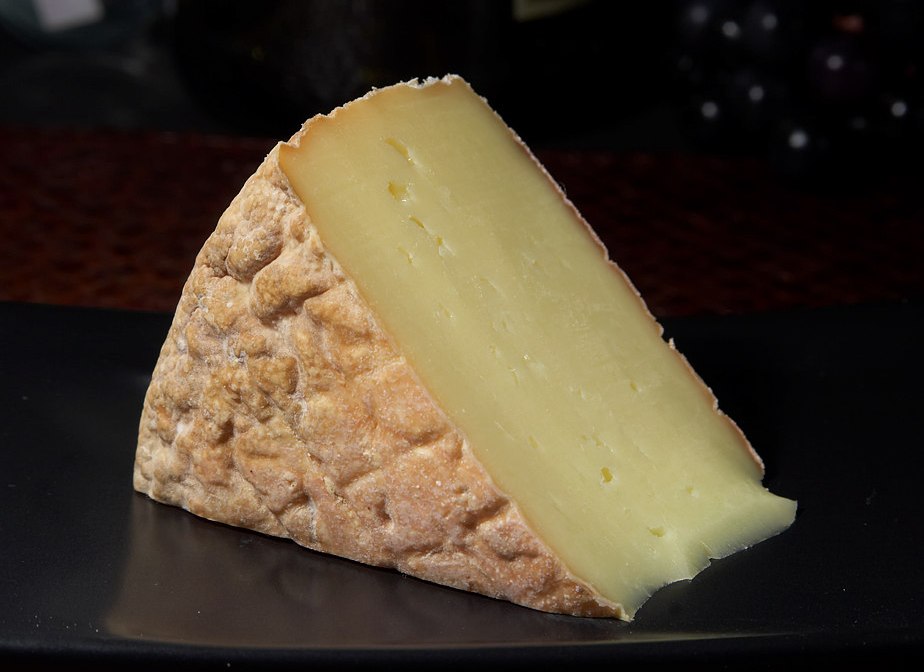 🇮🇪 IrelandGubbeen
A washed-rind semi-soft cow's milk cheese from County Cork, Ireland.Cow · Semi-soft · Mushroomy
🇮🇪 IrelandGubbeen
A washed-rind semi-soft cow's milk cheese from County Cork, Ireland.Cow · Semi-soft · Mushroomy
 🇮🇪 IrelandSt Tola
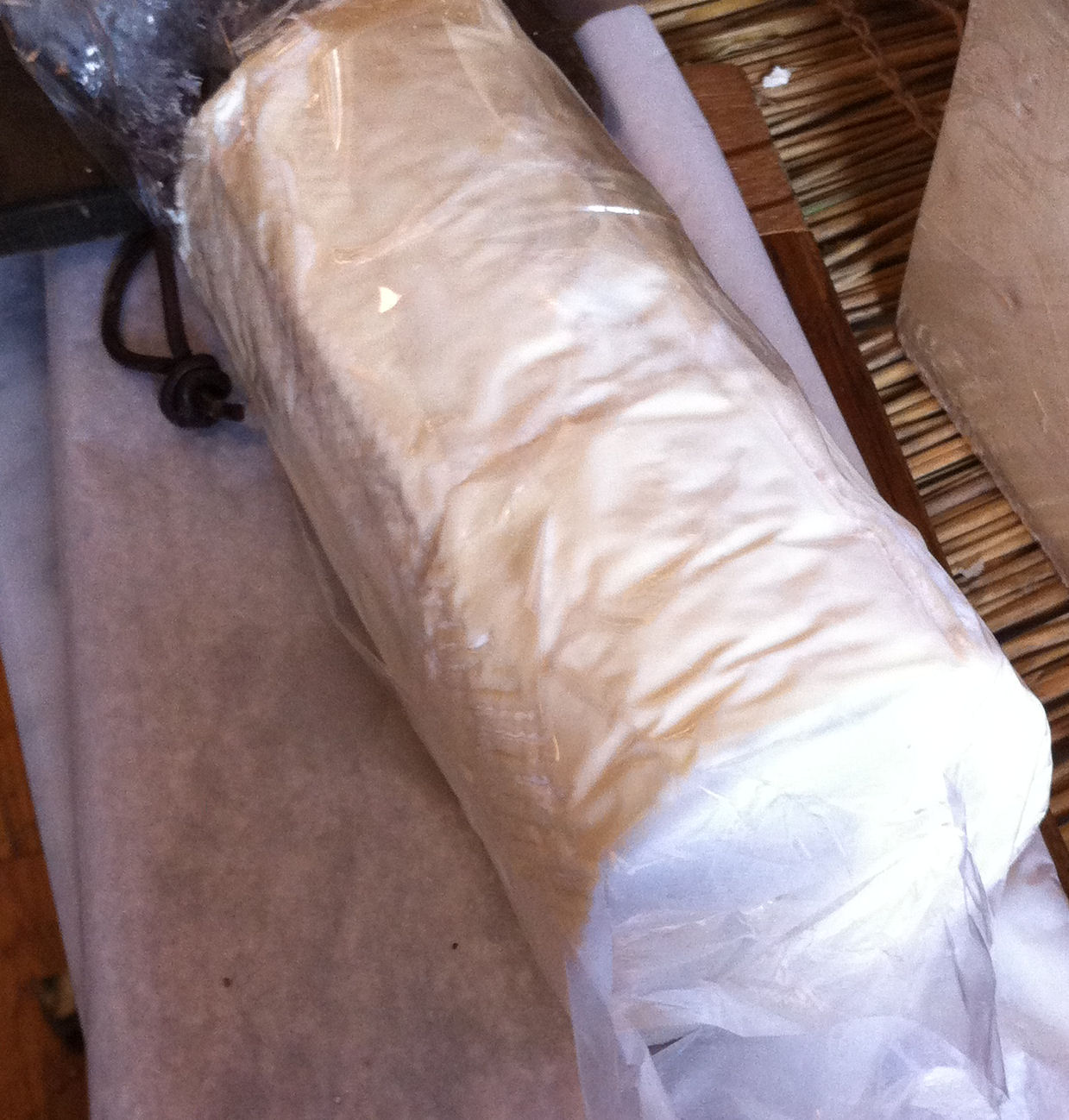
Handmade goat's milk cheese from Inagh, County Clare, ranging from fresh logs to aged wheels.Goat · Fresh · Tangy and lactic
🇮🇪 IrelandSt Tola
Handmade goat's milk cheese from Inagh, County Clare, ranging from fresh logs to aged wheels.Goat · Fresh · Tangy and lactic
 🇫🇷 France and 3 moreBrie
A soft, pale French cow's-milk cheese with a white mould rind, aged for about five weeks.Cow · Bloomy rind · Nutty
🇮🇪 IrelandBay Lough Cheese
A self-taught Irish cheddar-style cheese aged in waxed wheels.Cow · Semi-hard · Savoury and brothy
🇫🇷 France and 3 moreBrie
A soft, pale French cow's-milk cheese with a white mould rind, aged for about five weeks.Cow · Bloomy rind · Nutty
🇮🇪 IrelandBay Lough Cheese
A self-taught Irish cheddar-style cheese aged in waxed wheels.Cow · Semi-hard · Savoury and brothy
Its cousins elsewhere
All semi-soft cheeses 🇾🇪 YemenYemeni cheeseجبنة تعز
A smoked semi-hard sheep or goat milk cheese from Taiz Governorate in Yemen.Sheep · Semi-soft · Savoury and brothy
🇾🇪 YemenYemeni cheeseجبنة تعز
A smoked semi-hard sheep or goat milk cheese from Taiz Governorate in Yemen.Sheep · Semi-soft · Savoury and brothy
 🇮🇳 IndiaKalari
A semi-soft cow or buffalo milk cheese from Jammu and Kashmir, dried and sautéed until gooey.Cow · Semi-soft · Savoury and brothy
🇮🇳 IndiaKalari
A semi-soft cow or buffalo milk cheese from Jammu and Kashmir, dried and sautéed until gooey.Cow · Semi-soft · Savoury and brothy
 🇸🇾 SyriaTresseجبنة مشللة
A braided Syrian string cheese with a nutty aroma and springy texture.Cow · Semi-soft · Nutty
🇸🇾 SyriaTresseجبنة مشللة
A braided Syrian string cheese with a nutty aroma and springy texture.Cow · Semi-soft · Nutty