
Amablu
A creamy American blue cheese aged in sandstone caves since 1936.
Amablu is a raw cow's milk blue cheese from Faribault, Minnesota. It was the first of its kind made in the United States. The cheese has a creamy texture and distinct flavor influenced by local sandstone caves.
- First blue cheese made in the US, starting in 1936.
- Aged in natural and man-made sandstone caves.
- Made from locally produced raw cow's milk.
- Popular topping for juicy Lucys and steaks.
- Won Best of Class at the 2010 World Championship Cheese Contest.
What is Amablu?
Amablu is an artisanal blue cheese crafted from unpasteurized cow's milk. Produced in southern Minnesota, this cheese features a soft, creamy paste with characteristic blue veining. The name Amablu replaces its original title, Treasure Cave Blue Cheese. The cheese is known for its smooth texture and savory profile. It is sold as wedges, crumbles, or whole wheels weighing six pounds. The production relies on locally sourced milk that undergoes quality testing. This ensures safety while maintaining the raw milk characteristics essential to the final product.
Where does Amablu come from?
The history of Amablu begins in 1936 when the Treasure Cave Cheese Company opened in Faribault. It became the first commercial blue cheese manufacturer in the United States. The facility utilized natural and man-made sandstone caves for aging. During World War II, Minnesota emerged as a major center for blue cheese production. St. Paul was even called the Blue Cheese Capital of the World. The original company faced corporate changes and closures after being purchased by ConAgra in 1990. Production ceased until 2001, when Jeff Jirik and former employees reopened the plant. They revived the recipe under the new name Amablu in 2002.
What does Amablu taste like?
The cheese offers a creamy mouthfeel with a distinct blue mold character. The flavor profile is shaped by the unique geological properties of the sandstone caves used for aging. These caves contribute specific aromatic qualities to the paste. A specialty variety, St. Pete's Select, ages for at least 100 days. This longer maturation results in a more complex and complicated taste. Another variant, AmaGorg, follows a Gorgonzola style and matures for ninety days. The base Amablu maintains a consistent savory note throughout its standard aging period.
How Amablu is made
Producers use raw cow's milk sourced from local farms. The milk is tested to ensure quality and safety standards are met. The curds are formed into wheels or blocks. These are then placed in sandstone caves for ripening. The caves include both natural formations and man-made structures along riverbanks. The stone environment influences the aroma and development of the blue veins. The minimum aging time is set at seventy-five days. After this period, the cheese is ready for distribution. The process remains artisanal, focusing on traditional cave-aging methods.
Amablu, drawn
How Amablu is eaten and cooked
Amablu is versatile in the kitchen. Crumbled pieces are commonly added to juicy Lucys, a regional burger dish. It also pairs well with steaks as a topping. Wedges can be served on their own or with crackers. Whole wheels allow for slicing at home. The cheese melts well, making it suitable for hot dishes. Its creamy texture blends easily into sauces or dressings. The stronger varieties like St. Pete's Select offer depth for bold flavors.
Amablu through the day
This cheese fits into lunch and dinner settings. It serves as a topping for burgers and steaks. It works as part of a cheese board with bread and fruit. The crumbled form makes it a convenient snack ingredient. Its richness complements hearty meals. It is not typically associated with breakfast or dessert courses.
Amablu in the world's kitchens
Amablu is rooted in American cuisine, specifically from Minnesota. It reflects the regional tradition of blue cheese production. The cheese is popular in local diners and restaurants. It appears in classic Midwestern dishes like the juicy Lucy. The revival of the recipe honors historical American cheesemaking practices. It represents a blend of old techniques and modern artisanal standards.
At a glance: where it turns up
Custom and folk tradition
The cheese carries the legacy of early American cheesemaking. It survived corporate mergers and plant closures to return to production. The use of sandstone caves connects it to natural aging traditions. The community in Faribault supports the continued operation of the dairy. Awards from national contests highlight its quality. The story of its resurrection in 2002 is part of local lore.
Protection and trade
Swiss Valley Farms, an Iowa cooperative, owns the Caves of Faribault. The facility processes about 180,000 pounds of milk weekly. This yields approximately 20,000 pounds of cheese. The company has won multiple awards, including Best of Class at the World Championship Cheese Contest in 2010. St. Pete's Select received a Good Food Award in 2014. The brand continues to operate under the Caves of Faribault name.
Questions people ask about Amablu
Where does Amablu come from?
It is made in Faribault, Minnesota, in the United States. The Caves of Faribault produce it using local raw cow's milk.
What kind of milk is used?
Amablu is made from unpasteurized cow's milk. The milk is sourced locally and tested for safety.
How long is it aged?
The cheese must age for at least 75 days. Some varieties, like St. Pete's Select, age for over 100 days.
What does it taste like?
It has a creamy texture with a distinct blue mold flavor. The sandstone caves influence its aroma and taste.
Good reading and sources
The facts on this page come from the Wikipedia article "Amablu", written by its contributors and used under the CC BY-SA 4.0 licence, and from its Wikidata record (CC0). EveryCheese rewrote the text in its own words, with AI assistance, and compares every page with the article to make sure no passage is copied. It may be reused under the same CC BY-SA 4.0 licence with a link back.
It may contain mistakes. Recipes, ageing and customs differ from one dairy, valley or kitchen to the next. Folk beliefs are described as tradition, never as advice. If something is wrong, tell us. Last refreshed 2026-10-15.
More from the United States
All the cheeses of the United StatesIts cousins elsewhere
All blue cheeses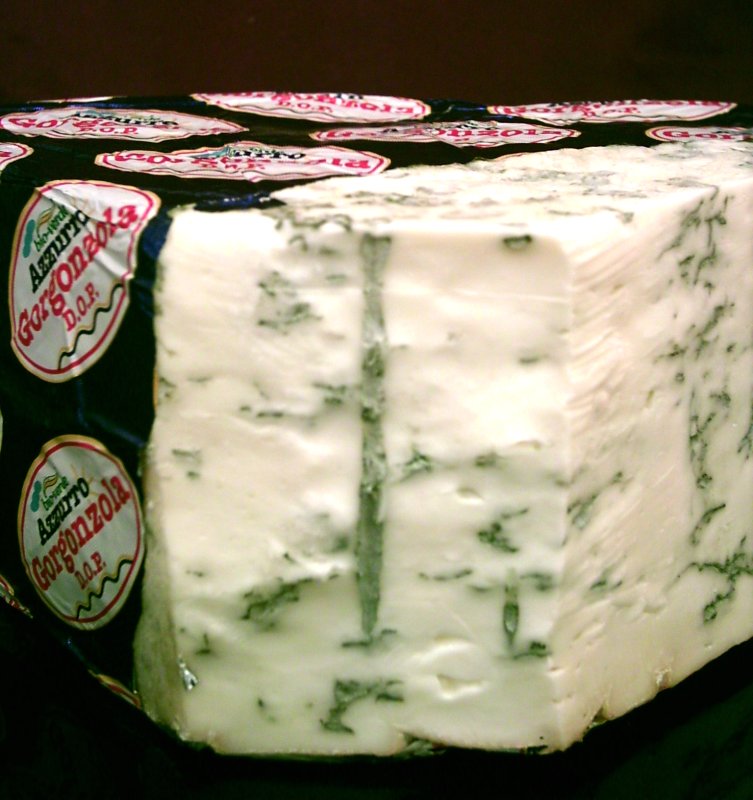 🇮🇹 Italy and 2 moreGorgonzola
A creamy Italian blue cheese from Lombardy with two distinct styles.Cow · Bloomy rind · Salty
🇸🇪 Sweden and 1 moreMoose cheese
A rare cheese made from moose milk, produced in Sweden and Russia.Other · Fresh
🇮🇹 Italy and 2 moreGorgonzola
A creamy Italian blue cheese from Lombardy with two distinct styles.Cow · Bloomy rind · Salty
🇸🇪 Sweden and 1 moreMoose cheese
A rare cheese made from moose milk, produced in Sweden and Russia.Other · Fresh
 🇫🇷 FranceRoquefortRòcafòrt
A raw sheep's milk blue cheese aged in the Combalou caves of southern France.Sheep · Semi-hard · Tangy and lactic
🇫🇷 FranceRoquefortRòcafòrt
A raw sheep's milk blue cheese aged in the Combalou caves of southern France.Sheep · Semi-hard · Tangy and lactic
 🇪🇸 SpainCabralesqueso de Cabrales
A pungent blue cheese from the Picos de Europa mountains of Asturias, Spain.Mixed · Blue · Sharp and tangy-aged
🇪🇸 SpainCabralesqueso de Cabrales
A pungent blue cheese from the Picos de Europa mountains of Asturias, Spain.Mixed · Blue · Sharp and tangy-aged