Le Douanier
A semi-soft cow's milk cheese with a wash-rinsed rind and a central edible line from Quebec.
Le Douanier is a semi-soft cow's milk cheese made in Quebec, Canada. It features an ivory paste with a hazelnut note that deepens with age and a distinctive edible vegetable line running through the center.
- Semi-soft cow's milk cheese from Noyan, Quebec.
- Features an edible vegetable line symbolizing the Canada-US border.
- Develops a hazelnut flavor as it ages.
- Won Gold at the 2015 World Cheese Awards.
- Named "the customs officer" after the border theme.
What is Le Douanier?
Le Douanier is a semi-soft cheese crafted from cow's milk in Quebec, Canada. The paste is ivory in color and has a creamy texture. A defining visual feature is an edible vegetable line that runs horizontally through the exact center of the wheel. This design element serves as a symbolic representation of the border between Canada and the United States, which lies close to the Fritz Kaiser fromagerie where the cheese is produced. The name translates to "the customs officer," referencing this geographic proximity. The cheese is surface-ripened, developing its characteristic rind through care during aging.
Where does Le Douanier come from?
This cheese originates from Noyan, Quebec, Canada. It is produced by the Fritz Kaiser fromagerie. The creation of Le Douanier was inspired by the local geography, specifically the closeness of the Canadian-American border. The maker designed the cheese to reflect this boundary through its internal structure. The product has gained recognition in competitive settings, winning the Canadian Cheese Grand Prix in 2004 and receiving a Gold award at the World Cheese Awards in 2015.
What does Le Douanier taste like?
The taste profile of Le Douanier is subtle yet distinct. As the cheese ages, it develops a noticeable hazelnut flavor. The initial taste is mild, but the nutty notes become more pronounced over time. The texture remains semi-soft and creamy throughout its life. The wash-rinsed rind contributes to the overall sensory experience, offering a savory contrast to the pale interior paste.
How Le Douanier is made
Fritz Kaiser produces Le Douanier using cow's milk. The process involves creating a semi-soft curd that is then shaped into wheels. A key step in production is the insertion of an edible vegetable line through the center of each wheel. This line acts as a marker for the Canada-US border theme. The cheese undergoes surface ripening, which involves treating the exterior to develop the desired rind and flavor characteristics. The specific details of the rennet type and exact aging duration are not publicly specified in available records.
Le Douanier, drawn
How Le Douanier is eaten and cooked
Le Douanier is primarily enjoyed on a cheese board. Its semi-soft texture and evolving flavor make it suitable for slicing and serving alongside other accompaniments. The hazelnut notes pair well with fruits or nuts. It is not typically used for melting or cooking in recipes, but rather appreciated for its direct consumption. The unique central line adds a visual conversation piece to any platter.
Le Douanier through the day
This cheese fits best as part of a snack or appetizer course. It is ideal for a cheese board served before dinner or during social gatherings. The mild yet interesting flavor profile makes it accessible to a wide range of palates. It is not traditionally associated with breakfast, lunch, or dessert courses.
Le Douanier in the world's kitchens
Le Douanier is a product of Canadian cuisine, specifically from the province of Quebec. It reflects the local dairy traditions of the region. The cheese is recognized within the broader context of North American artisanal cheese making. Its awards highlight its standing in the Canadian cheese community.
At a glance: where it turns up
By meal and use
Cuisines
Faith and ritual
There are no known religious or spiritual associations with Le Douanier. It is not tied to any specific faith practices, fasting rules, or monastic traditions.
Le Douanier at celebrations
While the cheese itself has won awards, it is not specifically tied to weddings, festivals, or holiday tables in traditional celebrations. It is a general-purpose artisanal cheese rather than a ceremonial food item.
Custom and folk tradition
The tradition behind Le Douanier is rooted in modern artisanal cheesemaking rather than ancient folklore. The symbolic design of the central line connects the cheese to contemporary geopolitical realities, specifically the border between Canada and the US. This is a creative interpretation by the maker rather than a historical custom.
Buying, keeping and serving Le Douanier
Generally, semi-soft washed-rind cheeses should be kept refrigerated and wrapped to maintain moisture without drying out. Serve at room temperature for best flavor.
What to use instead of Le Douanier
Le Douanier is described as similar to Morbier. If unavailable, Morbier could serve as a substitute due to its comparable semi-soft texture and surface-ripened nature, though it lacks the central vegetable line.
Protection and trade
Le Douanier has achieved recognition through competitive awards, including the 2004 Canadian Cheese Grand Prix and a Gold award at the 2015 World Cheese Awards. These accolades indicate quality and popularity within the industry.
Questions people ask about Le Douanier
Where does Le Douanier come from?
Le Douanier is made in Noyan, Quebec, Canada, by the Fritz Kaiser fromagerie.
What kind of milk is used?
It is made entirely from cow's milk, resulting in a semi-soft and creamy texture.
Why does it have a line in the middle?
The edible vegetable line represents the border between Canada and the United States, near the fromagerie.
What does it taste like?
It has a mild start that develops a distinct hazelnut flavor as the cheese matures.
Good reading and sources
The facts on this page come from the Wikipedia article "Le Douanier", written by its contributors and used under the CC BY-SA 4.0 licence, and from its Wikidata record (CC0). EveryCheese rewrote the text in its own words, with AI assistance, and compares every page with the article to make sure no passage is copied. It may be reused under the same CC BY-SA 4.0 licence with a link back.
It may contain mistakes. Recipes, ageing and customs differ from one dairy, valley or kitchen to the next. Folk beliefs are described as tradition, never as advice. If something is wrong, tell us. Last refreshed 2026-10-15.
More from Canada
All the cheeses of Canada 🇨🇦 CanadaOka
A semi-soft washed-rind cow's milk cheese from Quebec with a copper-orange rind.Cow · Semi-soft · Pungent and funky
🇨🇦 CanadaOka
A semi-soft washed-rind cow's milk cheese from Quebec with a copper-orange rind.Cow · Semi-soft · Pungent and funky
 🇨🇦 CanadaPikauba
A semi-firm washed-rind cow's milk cheese from Quebec with a buttery taste and orange rind.Cow · Semi-soft · Buttery and creamy
🇨🇦 CanadaAllegretto cheese
A semi-soft sheep's milk cheese with a washed rind from Quebec.Sheep · Semi-soft · Sweet and caramel
🇨🇦 CanadaPikauba
A semi-firm washed-rind cow's milk cheese from Quebec with a buttery taste and orange rind.Cow · Semi-soft · Buttery and creamy
🇨🇦 CanadaAllegretto cheese
A semi-soft sheep's milk cheese with a washed rind from Quebec.Sheep · Semi-soft · Sweet and caramel
 🇺🇸 United States and 2 moreCottage cheese
A fresh, unaged curd cheese made from skimmed milk and dressed with cream.Cow · Fresh · Tangy and lactic
🇺🇸 United States and 2 moreCottage cheese
A fresh, unaged curd cheese made from skimmed milk and dressed with cream.Cow · Fresh · Tangy and lactic
Its cousins elsewhere
All semi-soft cheeses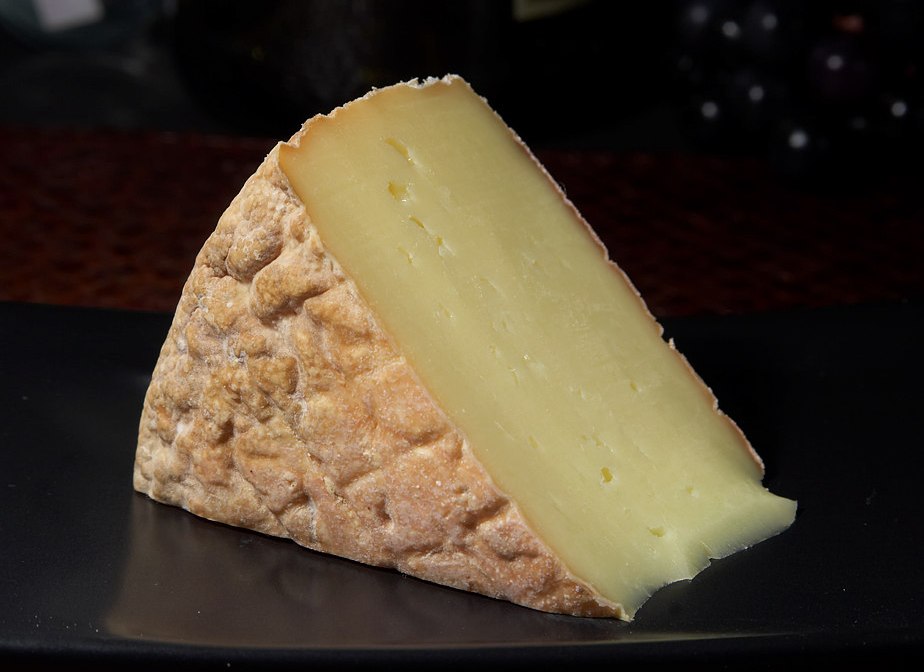 🇮🇪 IrelandGubbeen
A washed-rind semi-soft cow's milk cheese from County Cork, Ireland.Cow · Semi-soft · Mushroomy
🇮🇪 IrelandGubbeen
A washed-rind semi-soft cow's milk cheese from County Cork, Ireland.Cow · Semi-soft · Mushroomy
 🇲🇹 MaltaĠbejna
A small Maltese sheep's-milk cheese shaped in reed hurdles and sold fresh, dried, or peppered.Sheep · Fresh · Milky and fresh
🇮🇪 IrelandBay Lough Cheese
A self-taught Irish cheddar-style cheese aged in waxed wheels.Cow · Semi-hard · Savoury and brothy
🇮🇪 IrelandWicklow Farmhouse Cheese
A range of handmade cow's milk cheeses from Arklow, Ireland, spanning soft bries to hard cheddars.Cow · Bloomy rind · Nutty
🇲🇹 MaltaĠbejna
A small Maltese sheep's-milk cheese shaped in reed hurdles and sold fresh, dried, or peppered.Sheep · Fresh · Milky and fresh
🇮🇪 IrelandBay Lough Cheese
A self-taught Irish cheddar-style cheese aged in waxed wheels.Cow · Semi-hard · Savoury and brothy
🇮🇪 IrelandWicklow Farmhouse Cheese
A range of handmade cow's milk cheeses from Arklow, Ireland, spanning soft bries to hard cheddars.Cow · Bloomy rind · Nutty